ENVIRONMENTALIST HITS MISTREATMENT OF WHALE STRANDED IN SULTAN KUDARAT
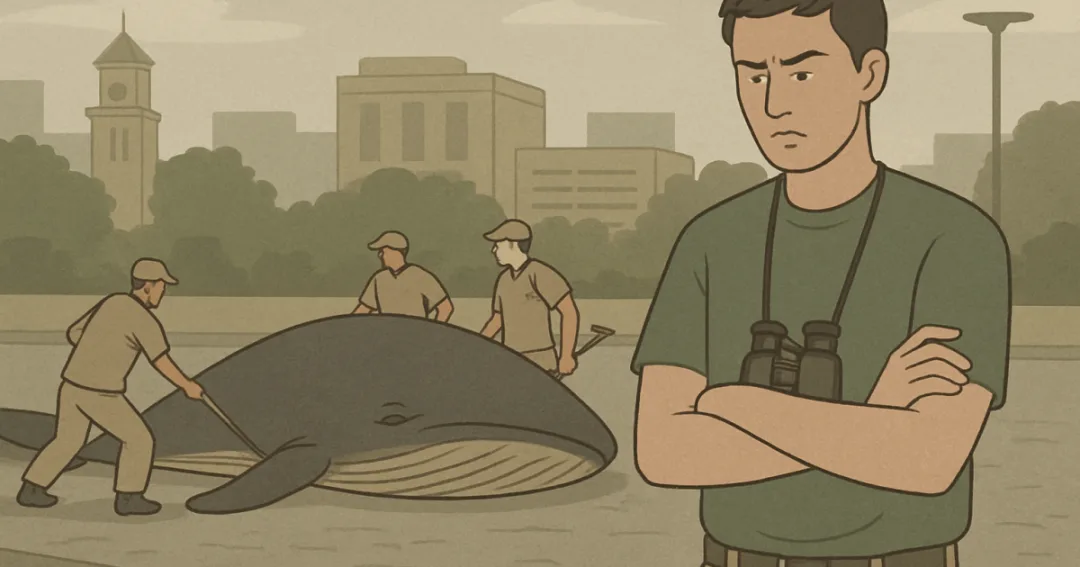
The reported mistreatment of a stranded whale in Sultan Kudarat has struck a nerve among environmental advocates, not only for the cruelty alleged, but for what it reveals about gaps in public awareness and institutional response. A beached whale is an inherently distressing sight, yet it is also a moment that tests a community’s sense of responsibility toward the natural world. When such an animal is subjected to harassment, mishandling, or neglect instead of coordinated rescue or humane intervention, it becomes more than a local incident. It reflects how societies value—or fail to value—marine life that exists largely out of sight beneath the waves. The environmentalist criticism directed at the treatment of this whale is therefore less about assigning blame to individuals and more about questioning the systems that allowed it to happen.
Strandings are not rare in an archipelagic country, and coastal communities have long histories of interacting with marine mammals. In some places, traditional practices foster respect and protective attitudes; in others, economic pressures and lack of information can lead to harmful behavior. Over the years, environmental agencies, academic institutions, and civil society groups have tried to develop protocols for responding to marine mammal strandings, emphasizing safety for both people and animals. Yet such guidelines are only effective when they are widely known, consistently practiced, and supported by sufficient resources. The Sultan Kudarat incident suggests that these efforts have not yet fully permeated all coastal areas, leaving room for confusion, improvisation, and at times, abuse.
The implications extend beyond this single whale. How a community responds to a stranded animal is often a proxy for how it understands its broader relationship with the marine environment. When curiosity, opportunism, or apathy override respect and caution, it becomes harder to build a culture of stewardship that can sustain fisheries, protect biodiversity, and support coastal livelihoods. Conversely, a well-managed stranding response—marked by clear coordination, scientific guidance, and community cooperation—can be a powerful public lesson in conservation. The outcry from environmentalists, then, can be read as a call to treat such episodes as teachable moments rather than isolated embarrassments to be quickly forgotten.
Institutional roles are also coming under quiet scrutiny. Agencies tasked with environmental protection, local governments, and enforcement bodies all have a part to play in preventing the mishandling of stranded animals. This includes not only having written protocols, but ensuring that frontline personnel and community members know whom to call, what to avoid, and how to secure the site until trained responders arrive. Partnerships with universities and non-governmental organizations can help strengthen scientific capacity and public education, but these must be sustained rather than episodic. Without such coordination, responsibility is easily diffused, and incidents like the one in Sultan Kudarat become symptoms of a larger governance gap rather than mere lapses in judgment by individuals on the shore.
Ultimately, the fate of a stranded whale in a single coastal town may seem minor against the scale of climate change, overfishing, and plastic pollution. Yet these small, visible events are where abstract environmental values are tested in concrete ways. If communities can learn to respond to such incidents with empathy, discipline, and respect for life, they build habits that can carry over into other environmental decisions, from waste management to coastal development. The criticism raised by environmental advocates should therefore be seen not as an case reported by authorities, but as an invitation to improve. How the country chooses to respond—through better education,