JPEPA NURSE, CAREWORKER APPLICATION DEADLINE MOVED TO APRIL 24
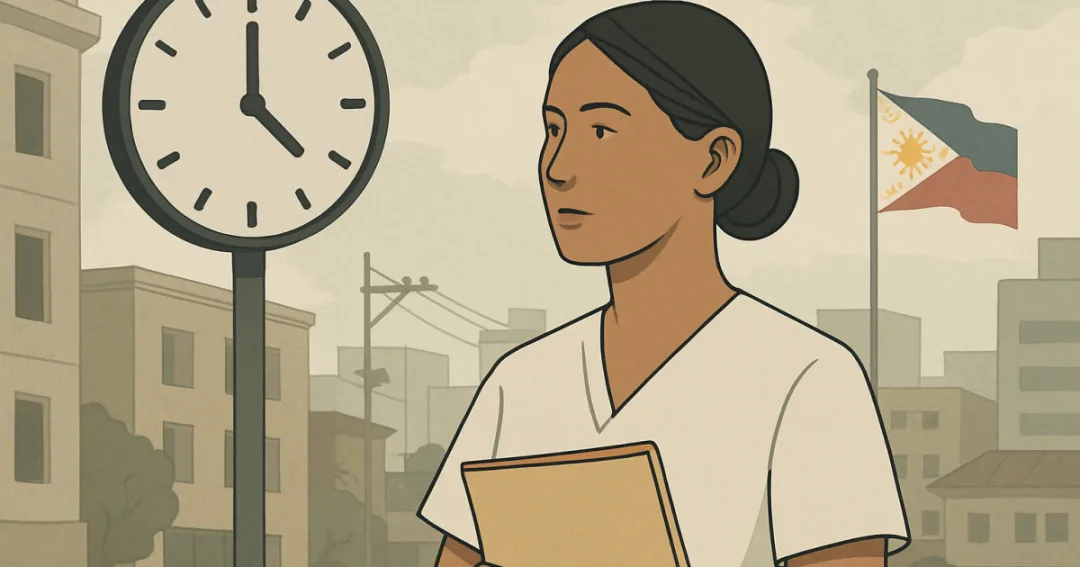
The decision to move the application deadline for nurse and careworker candidates under the Japan-Philippines Economic Partnership Agreement (JPEPA) to April 24 may appear administrative on the surface, but it reflects deeper questions about how the country manages labor opportunities abroad. Deadlines in such programs are not mere dates; they function as signals of preparedness, coordination, and responsiveness to both domestic needs and international partners. When authorities extend or adjust timelines, they implicitly acknowledge challenges in dissemination of information, documentation, or applicant readiness. For Filipino health professionals who often see overseas deployment as a pathway to better income and professional growth, even a modest extension can determine whether they participate or are left behind.
JPEPA has long served as one of the more structured channels for Filipino nurses and careworkers to enter the Japanese labor market, a sector known for its aging population and growing demand for foreign caregivers. Over the years, applicants have faced not only the usual hurdles of licensure and documentation but also the demanding language and cultural requirements associated with working in Japan. These conditions have contributed to relatively modest passing rates for professional exams abroad, even as interest in the program remains steady. Adjusting deadlines within this framework can be interpreted as an effort to accommodate these realities and ensure that the pool of candidates is not artificially narrowed by procedural rigidity.
From a broader perspective, the extended deadline underscores the persistent tension between domestic healthcare needs and the appeal of overseas employment. The country continues to grapple with staffing gaps in hospitals, clinics, and long-term care facilities, especially outside major urban centers. Each nurse or careworker who leaves for work abroad represents both a personal achievement and a potential strain on local health services. Policymakers and institutions must therefore view programs like JPEPA not in isolation, but as part of a larger ecosystem of workforce planning, education, and retention strategies at home.
For aspiring applicants, the new deadline offers a brief but meaningful window to complete requirements, seek guidance, and weigh their decisions more carefully. It also places a responsibility on relevant agencies, training institutions, and recruitment channels to communicate clearly, manage expectations, and support candidates in meeting language and competency standards. Without adequate preparation and support, deadline extensions alone cannot address deeper issues such as exam performance, workplace integration, and long-term career development abroad. A more holistic approach would link the application process to sustained mentoring, language training, and reintegration pathways for those who eventually return.
Ultimately, moving the JPEPA nurse and careworker application deadline to April 24 is a reminder that labor mobility policies are living arrangements, constantly adjusted in response to both opportunity and constraint. The challenge is to ensure that such adjustments are not merely reactive, but part of a deliberate strategy that respects the aspirations of Filipino health professionals while safeguarding the country’s own healthcare capacity. As the deadline approaches, stakeholders have an opportunity to reflect on how these programs can be made more inclusive, transparent, and sustainable. The measure of success will not be the number of applications alone, but the quality of outcomes for workers, patients, and institutions on both sides of the partnership.