SEVEN DECEASED IN LANDSLIDES IN MATI AND MONKAYO
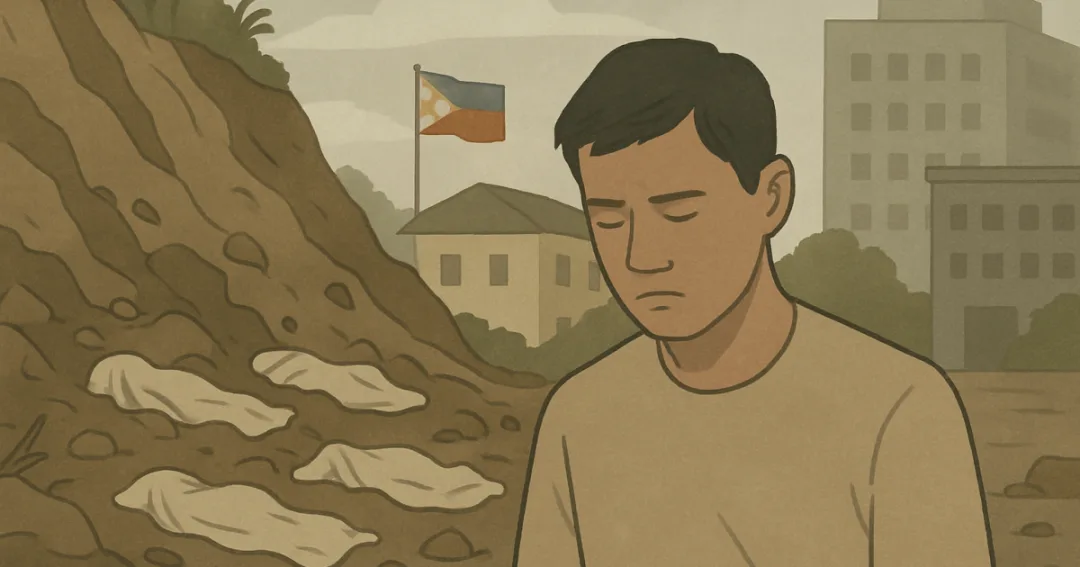
The deaths of seven people in landslides in the towns of Mati and Monkayo are a stark reminder that in the Philippines, natural beauty and natural hazard often coexist in the same fragile landscapes. These communities, like many others across the archipelago, live close to steep slopes, river systems, and coastal zones where heavy rainfall can quickly turn soil and rock into lethal torrents. Landslides rarely command the same attention as typhoons or earthquakes, yet they are among the most sudden and unforgiving of disasters, giving residents little time to react. Each casualty is not only a personal tragedy but also a sign that risk remains embedded in everyday life for many families. When such incidents occur in different localities within a short period, they invite more than sympathy; they demand sober assessment of how the country manages land use, early warnings, and disaster preparedness.
The Philippines has a long and painful history with landslides, particularly in mountainous and mining-influenced regions where slopes are already unstable. Periods of prolonged or intense rainfall, sometimes linked to larger weather systems, saturate the soil and weaken natural supports, making failure more likely. In many rural and peri-urban areas, population pressure and limited livelihood options push households to settle on marginal land, including hillsides and riverbanks that are inherently risky. Even without precise details from the latest incidents, it is reasonable to note that similar patterns have been observed in past disasters: exposure grows as communities expand into hazard-prone zones. This historical backdrop suggests that while each landslide has local triggers, the underlying vulnerabilities are widely shared and long-standing.
Institutionally, the country has invested in disaster risk reduction frameworks, mapping of hazard-prone areas, and community-based warning systems, yet implementation is uneven. Technical tools such as geohazard maps and rainfall advisories are only as effective as the communication channels and trust networks that carry them to residents. Local authorities often face the difficult task of balancing immediate economic needs—such as farming, small-scale extraction, or roadside commerce—with long-term safety concerns. Evacuation orders and relocation plans can meet resistance when they disrupt livelihoods or sever people from land they have known for generations. The recurring toll from landslides suggests that the challenge is not merely technical but deeply social: how to align safety measures with the realities of local economies and cultures.
The events in Mati and Monkayo therefore resonate beyond their immediate geographic boundaries. They raise questions about how prepared other similarly situated communities might be, especially as climate patterns shift and extreme weather events become more frequent or intense. Disaster risk reduction is often discussed in terms of infrastructure and equipment, but equally important are education, drills, and clear lines of responsibility before, during, and after emergencies. When smaller-scale tragedies occur outside major urban centers, there is a risk that they are treated as isolated misfortunes rather than as signals in a broader pattern of vulnerability. Recognizing these incidents as part of a national risk landscape can help sustain attention on the quiet, continuous work of prevention and resilience-building.
In reflecting on the loss of life in these landslides, the most constructive response lies in learning, not in resignation. Each incident offers an opportunity to review local hazard assessments, evacuation protocols, and land-use decisions, and to consider whether communities feel genuinely included in those processes. Building safer futures for residents in landslide-prone areas will require patience, dialogue, and sustained support, not only during the aftermath but in the