TULFO REMINDED TO PRACTICE RESPONSIBLE AND ETHICAL JOURNALISM
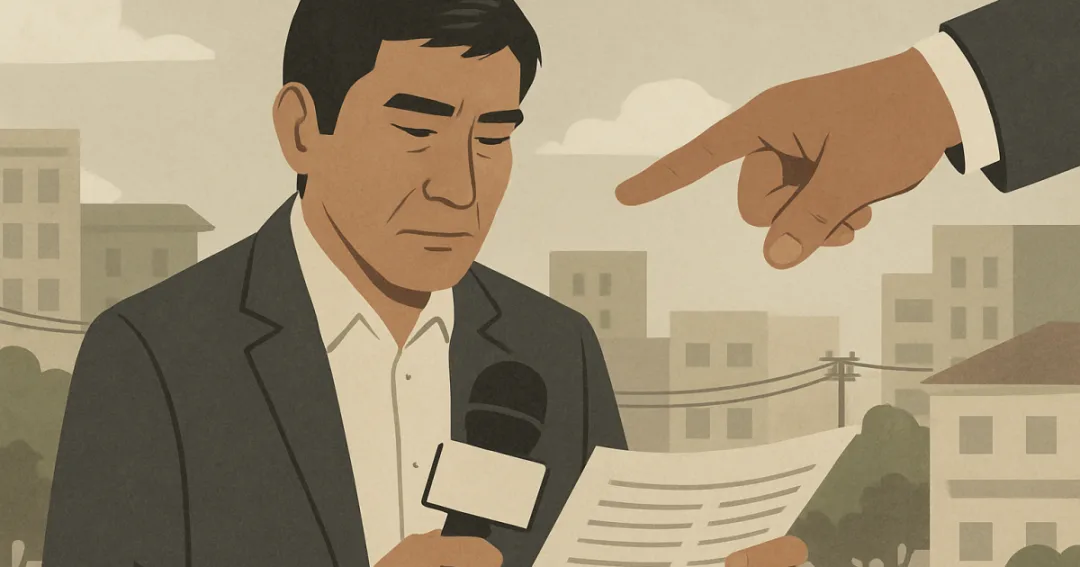
Calls for broadcaster Raffy Tulfo to observe responsible and ethical journalism highlight a recurring tension in modern media: the pull between public service and public spectacle. Tulfo’s popularity has been built on a brand of direct, on-air intervention in people’s disputes, often framed as swift justice for ordinary citizens. This approach has resonated with audiences who feel underserved by slow or inaccessible formal processes. Yet precisely because of this influence, reminders about ethics, fairness, and due process are neither trivial nor personal attacks; they are essential checks in a democratic information environment. When a single media personality becomes a de facto arbiter of conflicts, the standards guiding that role become a matter of public concern, not just private preference.
Historically, journalism has evolved from partisan pamphleteering and sensationalist broadsheets to a profession that aspires to verification, balance, and accountability. Codes of ethics emphasize accuracy, respect for privacy, presumption of innocence, and the avoidance of undue harm. Public-service formats, including investigative programs and complaint-driven shows, can play a constructive role when they expose systemic problems and amplify marginalized voices. However, when complaints are aired in real time before all sides are fully heard, there is a risk that media turns into a parallel courtroom where reputations are shaped by emotion and virality rather than evidence. The reminder to Tulfo, therefore, is part of a much longer conversation about how journalism balances its watchdog function with its responsibility not to become judge and executioner.
The rise of digital platforms has intensified these challenges. Segments from programs like Tulfo’s circulate rapidly online, detached from their original context and often consumed as entertainment rather than as journalism. The more an episode trends, the stronger the incentive to prioritize dramatic confrontations, emotional breakdowns, and public shaming. This environment can blur the line between helping complainants and exploiting their vulnerability for views and engagement. Ethical journalism in this context requires extra vigilance: protecting minors, avoiding the disclosure of sensitive personal information, and ensuring that those accused have a genuine opportunity to respond before being subjected to public judgment.
The implications extend beyond one program or personality. When audiences regularly see conflicts resolved on camera, they may begin to view media exposure as a first resort rather than a last option, weakening confidence in formal institutions. At the same time, if media actors neglect due diligence, they risk defamation, misrepresentation, and the normalization of trial by publicity. Responsible practice does not mean avoiding hard questions or uncomfortable truths; it means grounding them in careful verification and proportionate reporting. For public figures who hold both media and political roles, the duty to separate advocacy, adjudication, and journalism becomes even more pressing to avoid conflicts of interest and perceptions of bias.
Moving forward, the reminder to Tulfo can be seen less as a rebuke and more as an invitation to strengthen standards that ultimately protect both the public and the press. Media organizations can invest in clearer editorial guidelines for complaint-based programming, including structured fact-checking, safeguards for vulnerable participants, and transparent correction mechanisms. Regulators, academic institutions, and civil society groups can contribute by promoting media literacy, so audiences better understand the limits of what televised or streamed “justice” can provide. For Tulfo and others who occupy similar spaces, embracing responsible and ethical journalism is not a constraint on their mission; it is what gives their work legitimacy. In an era of instant outrage, the real mark of public-service media may be its willingness to slow