14 MISSING AS BOAT CAPSIZES ALONG DAVAO GULF
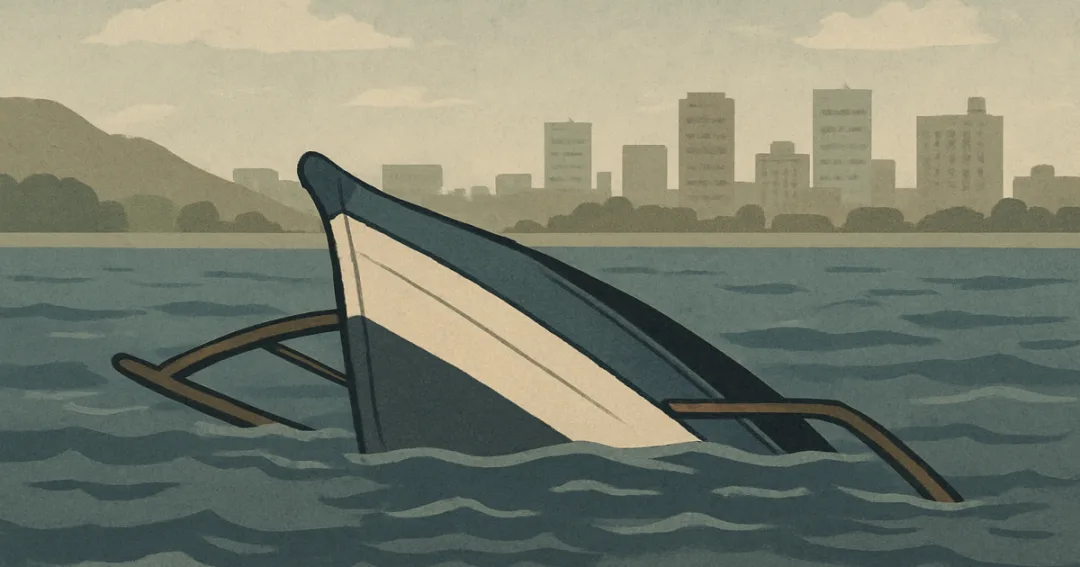
The reported capsizing of a small vessel along the Davao Gulf, with more than a dozen people still unaccounted for, is a sobering reminder of how vulnerable many Filipinos remain when they travel by sea. Even when the number of passengers is relatively small, each incident carries a heavy human cost and ripples through families and communities. Maritime accidents in coastal areas rarely attract the same international attention as large ferry disasters, yet for those directly affected, the grief and uncertainty are just as profound. The immediate focus, rightly, is on search and rescue, but the broader questions about safety, preparedness, and accountability cannot be postponed indefinitely.
The Davao Gulf is a vital maritime corridor, serving as a route for commerce, fishing, and daily commuting between coastal communities. Across the Philippines, countless small boats and informal passenger craft ply short routes that are essential for local economies and basic mobility. Over the years, the country has experienced a series of maritime tragedies, from large-scale ferry sinkings to smaller, localized incidents that seldom make national headlines. These recurring events have prompted periodic calls for tighter regulation, better enforcement of safety standards, and improved weather monitoring and communication. Yet, the persistence of such accidents suggests that gaps remain between policies on paper and practices at sea.
In many coastal communities, economic realities complicate the picture. Small boat operators often work on thin margins, balancing fuel costs, maintenance, and the pressure to carry as many passengers or as much cargo as possible. Passengers, for their part, may have limited options and little leverage to insist on safety measures such as life jackets, proper manifests, or adherence to capacity limits. Institutions tasked with oversight face logistical challenges in monitoring numerous small vessels scattered across wide maritime areas. In this context, accidents are not simply the product of individual negligence, but of structural constraints that make shortcuts more likely and enforcement more difficult.
The public relevance of the Davao Gulf incident lies in what it reveals about everyday risk in a country heavily dependent on sea travel. Strengthening a culture of safety will require more than isolated crackdowns after each tragedy; it calls for consistent, visible enforcement and sustained public education. Maritime regulations, however comprehensive, must be supported by clear communication, accessible training for operators, and realistic support mechanisms that help small players comply. Communities, too, can play a role by valuing and demanding safe practices, even when this means slightly higher costs or longer waiting times. When safety becomes a shared expectation rather than an afterthought, the space for dangerous compromises narrows.
As authorities continue their operations in the Davao Gulf and families wait for news of their loved ones, the incident should serve as a quiet but firm prompt for reflection. Each maritime accident is both a human tragedy and a test of how seriously society takes the responsibility to protect life at sea. The lessons are not new, but they must be relearned and applied with greater consistency: robust oversight, realistic support for compliance, and a public that sees safety as non-negotiable. If these principles guide the response in the weeks and months ahead, then out of this painful episode may come a renewed commitment to making the country’s waters not only a source of livelihood and connection, but also a safer passage for all who depend on them.