PUBLIC CONSULTATION IN CEBU BACKS BLANKET BAN ON POLITICAL DYNASTIES
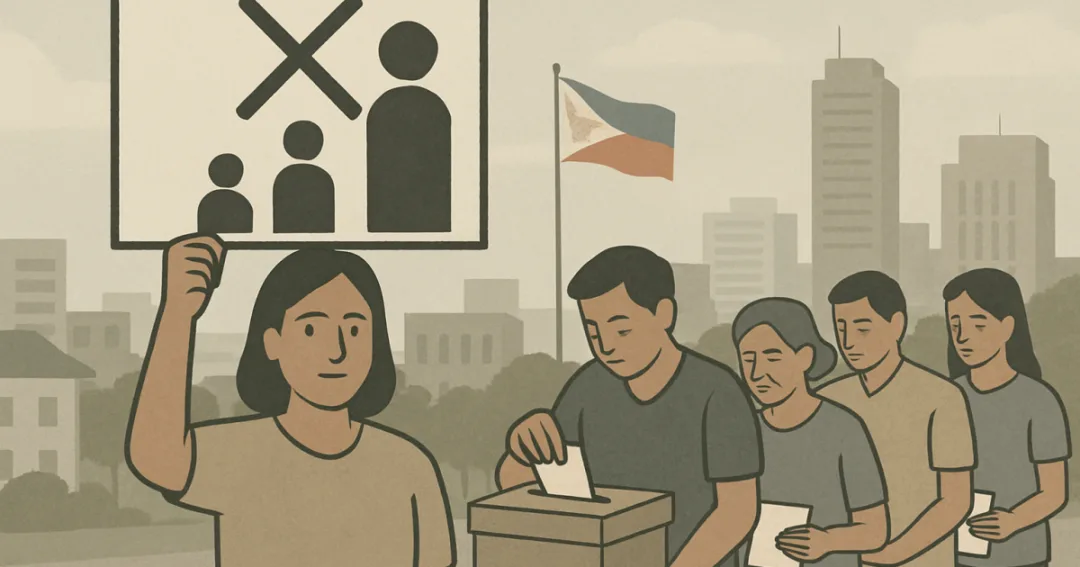
Public support in Cebu for a blanket ban on political dynasties touches a long‑running fault line in Philippine democracy: the tension between formal electoral competition and entrenched family power. At one level, the issue appears straightforward. Voters are signaling fatigue with the dominance of a few surnames that repeatedly appear on ballots, often in different positions and jurisdictions. At a deeper level, however, this sentiment reflects a growing awareness that the appearance of choice can be undermined when political power circulates within the same small circles. The consultation’s outcome matters not only for Cebu, but as a barometer of how willing Filipinos may be to reconsider long‑standing political norms.
Political dynasties are not a new phenomenon in the country; they predate contemporary institutions and have roots in local patronage networks, economic disparities, and the historical concentration of land and resources. Over time, these family-based structures have adapted to changes in law and electoral design, fielding relatives for term-limited positions or across multiple levels of government. Advocates of a ban argue that such patterns can weaken accountability by blurring lines between public office and private interest. Critics of outright prohibition, on the other hand, caution that voters should not be prevented from choosing candidates simply because of their family name. The Cebu consultation enters this long-running debate by suggesting that at least some segments of the public are prepared to prioritize systemic reform over the freedom of familiar choices.
The appeal of a blanket ban lies in its simplicity and its promise of a cleaner political slate. In theory, prohibiting relatives from simultaneously or successively holding elective posts could open space for new leaders, encourage competition based on merit, and weaken the grip of patronage. Yet such a measure also raises complex questions about implementation and fairness. How far should the definition of “dynasty” extend—immediate family, extended relatives, or broader clan networks? And how can such a ban be enforced consistently in a system where informal influence and behind-the-scenes endorsements often matter as much as formal candidacies?
For ordinary citizens, the debate over dynasties is ultimately about the quality of governance and the credibility of democratic institutions. When the same families dominate local politics for decades, it becomes difficult to determine whether they are repeatedly chosen for performance or simply because competitors never gain a foothold. A well-crafted anti-dynasty framework could help level the playing field, but it cannot by itself address deeper issues such as campaign finance, weak party systems, or limited civic education. Public consultations, like the one in Cebu, therefore play a crucial role in testing how far communities are willing to go in trading the comfort of familiarity for the uncertainty of more open competition. They also provide a venue for citizens to express whether they see dynasties as a symptom or a cause of governance problems.
The emerging consensus from Cebu does not settle the national debate, but it does add weight to calls for clearer rules on family-based political power. Any eventual policy will need to balance constitutional principles, political realities, and the lived experience of communities that have long navigated local patronage systems. A blanket ban, if pursued, should be accompanied by reforms that strengthen political parties, improve transparency in campaign funding, and expand opportunities for civic participation beyond election day. Ultimately, the question is not only whether dynasties should be curtailed, but what kind of political culture Filipinos want to nurture in their place. Cebu’s voice in favor of a ban suggests