15 MISSING AS BOAT CAPSIZES ALONG DAVAO GULF
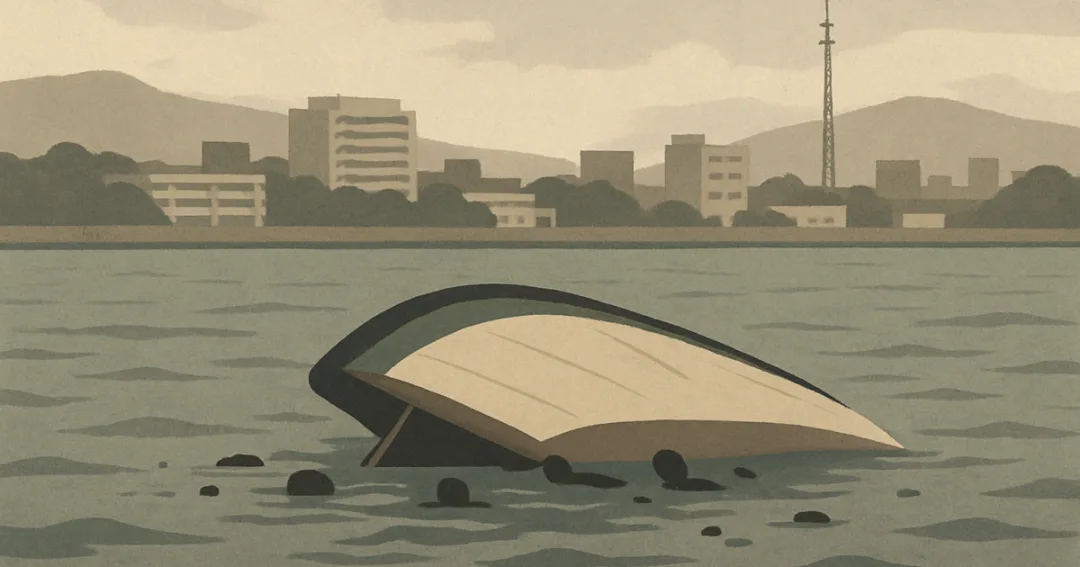
News that a boat has capsized along the Davao Gulf, leaving at least 15 people missing, is more than a tragic headline; it is a reminder of how vulnerable everyday journeys at sea can be. For many coastal communities in Mindanao and across the Philippines, small boats are not luxuries but lifelines, used for work, trade, and family visits. When such a vessel sinks, the impact extends beyond those on board to the families waiting at home and the communities that depend on them. The unfolding search for the missing is therefore not only a rescue operation but a test of how prepared institutions and communities are to respond when the sea turns hostile.
Maritime incidents in the Philippines are not new, and that repetition is precisely what should concern the public. The country’s geography, with its many islands and busy coastal routes, makes sea travel a daily reality and a constant risk. Over the years, various accidents have highlighted recurring issues: weather-related hazards, overloading, navigational challenges, and gaps in enforcement of safety standards. While each case has its own circumstances, the pattern suggests that safety at sea remains an area where improvements are often discussed more than they are consistently implemented. The Davao Gulf incident fits into this larger picture and should prompt renewed scrutiny, not just sympathy.
The immediate priority, of course, is the search-and-rescue effort and the provision of support to survivors and families of the missing. Yet even as responders work against time and the elements, the public has a stake in what happens next, beyond the emergency phase. Investigations into such incidents, when conducted thoroughly and transparently, help identify what went wrong and what can be changed. These processes need not be adversarial; they can be constructive exercises that strengthen systems rather than simply assign blame. What matters is that findings are translated into concrete measures, not allowed to fade as attention shifts to the next crisis.
At a broader level, the incident underscores the importance of a culture of maritime safety that includes everyone: authorities, vessel operators, and passengers. Regulations and inspection regimes can only go so far if they are not matched by awareness and compliance on the ground and at sea. Simple but consistent practices—respecting capacity limits, checking weather conditions, ensuring the availability and use of life vests—can dramatically improve chances of survival when accidents occur. Public information campaigns, local enforcement, and community-level initiatives can reinforce one another, especially in regions where sea travel is routine and often taken for granted. The goal should be to make safety an expectation, not an exception.
As the Davao Gulf community waits for updates and prays for the missing, the rest of the country has an opportunity to reflect on its relationship with the sea. The waters that connect islands and sustain livelihoods can also expose the weaknesses of systems meant to protect those who depend on them. Each maritime accident lays bare the distance between policy and practice, between written standards and lived realities. If this latest tragedy is to mean more than another sad statistic, it should spur a quiet but determined effort to close that gap. The measure of that effort will be seen not in words of sympathy, but in fewer families waiting anxiously for loved ones who never return from the water.