97,000 ILLEGAL FIRECRACKERS SEIZED DURING NEW YEAR FESTIVITIES — PNP
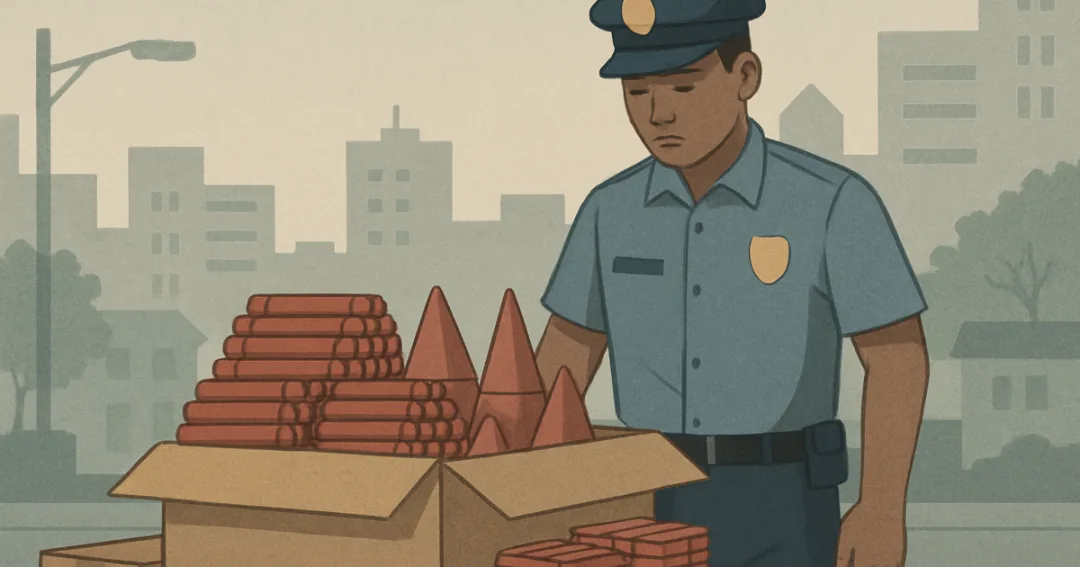
The reported seizure of 97,000 illegal firecrackers during New Year festivities is more than a striking statistic; it is a window into how societies manage risk, tradition, and public order. Fireworks are deeply embedded in year-end celebrations, symbolising joy, renewal, and communal spirit. Yet the sheer scale of confiscated items suggests that a significant parallel market continues to operate despite regulations and annual awareness drives. This contrast between festive custom and the need for safety underscores a recurring dilemma: how to respect cultural practices while protecting lives, property, and public health.
Across many countries, the approach to firecrackers has evolved over time in response to recurring injuries, fires, and noise-related complaints. Some jurisdictions have moved towards strict bans on certain pyrotechnics, while others rely on licensing, time-bound use, or designated display zones. In many places, hospitals and emergency services routinely brace for a spike in firework-related incidents during the holiday season, despite repeated advisories and regulations. The persistence of illegal firecrackers in this broader context suggests that enforcement alone rarely resolves the issue; it must be accompanied by sustained public education and realistic alternatives.
The fact that such a large number of illegal items were intercepted also points to the economic dimension of the trade. Demand for cheaper, louder, or more spectacular fireworks often fuels informal supply chains that operate outside regulatory oversight. These products may be more hazardous, lacking proper quality controls, clear labelling, or safe handling instructions. When people turn to these unregulated options, they not only expose themselves and their communities to greater risk, but they also undermine legitimate businesses that invest in compliance and safety standards.
From a public policy perspective, the situation raises questions about how institutions can better align regulation with public behaviour. Confiscations and penalties are necessary tools, but they are blunt instruments if not supported by clear communication, accessible legal alternatives, and community-level engagement. Local governments, law enforcement, health agencies, and civil society groups can all play complementary roles: from setting reasonable rules, to offering organised public displays, to reinforcing safety messages in schools and neighbourhoods. The goal should not be to extinguish celebration, but to channel it into forms that are less harmful, more predictable, and easier to regulate.
Looking ahead, the annual debate over firecrackers offers an opportunity to rethink how societies mark major occasions in ways that are both meaningful and responsible. Technological innovations, such as light shows or quieter pyrotechnics, already provide examples of how tradition can adapt without losing its emotional resonance. The recent seizure figures should be read not only as an enforcement success, but also as a reminder that underlying attitudes and habits still need to shift. As another year begins, the challenge is to transform the New Year’s burst of colour and sound into a celebration that does not leave behind a trail of preventable injuries, frightened communities, and avoidable strain on public services.