AIDA RIVERA-FORD, PILLAR OF MINDANAO LITERATURE, DIES AT 99
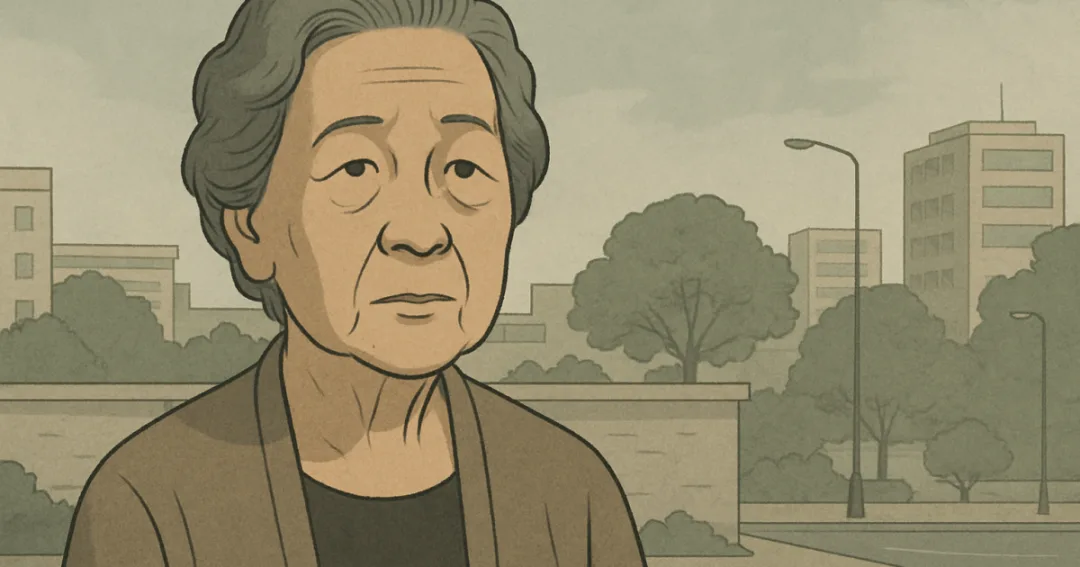
The passing of Aida Rivera-Ford at 99 marks the quiet departure of a literary presence whose influence reached far beyond the pages she wrote. For many readers and writers, her name is inseparable from the evolution of English-language literature in Mindanao. She belonged to a generation that helped define what it meant for Filipino voices outside the capital to claim space in the national imagination. Her death invites not only remembrance of an individual career, but also reflection on how regional literature is valued, preserved, and carried forward.
Rivera-Ford’s legacy is often framed through her role as a pioneer of Mindanao writing in English, but the significance of that work is easy to underestimate. In a country where literary attention has long been concentrated in a few urban centers, her presence signaled that stories rooted in Mindanao’s landscapes, histories, and communities deserved equal standing. This was not merely a question of geographic representation; it was about expanding the range of experiences that Philippine literature could articulate. By writing and mentoring from Mindanao, she helped normalize the idea that serious literary work could emerge from, and speak for, regions traditionally left at the margins.
Her passing also underscores the importance of institutions—universities, writing centers, publications, and workshops—that have historically relied on such figures for intellectual and moral leadership. Writers like Rivera-Ford often serve as bridges between generations, introducing younger authors to broader traditions while encouraging them to develop distinct voices. When these elders are gone, their absence can expose gaps in mentorship and institutional memory that are not easily filled. The challenge for the present is to ensure that the systems supporting regional literature do not depend on a few personalities, but are resilient enough to endure and adapt.
There are broader implications for cultural policy and public priorities as well. The life’s work of someone like Rivera-Ford highlights the need for sustained support for regional arts—through funding, education, translation, and archiving. As the country grapples with rapid social and technological change, the risk is that regional literatures become celebrated in memorials but neglected in practice. Ensuring that Mindanao’s literary voices continue to grow means investing in younger writers, making their work accessible, and integrating regional writing into mainstream educational and cultural programs, rather than treating it as a niche interest.
Ultimately, the most meaningful tribute to a pillar of Mindanao literature is not only to recount her achievements, but to safeguard the conditions that allowed her to flourish and to nurture those who follow. Rivera-Ford’s long life traced a path from early postwar writing to the contemporary era, reminding us that literary cultures are built slowly, through decades of patient work. Her passing should prompt readers, educators, and cultural institutions to ask how they can deepen their engagement with regional writing, not just in moments of loss but as a continuing commitment. In doing so, Mindanao literature can move from being seen as a specialized field to being recognized as an indispensable part of the country’s shared narrative.