APPLE AIRPODS MAX
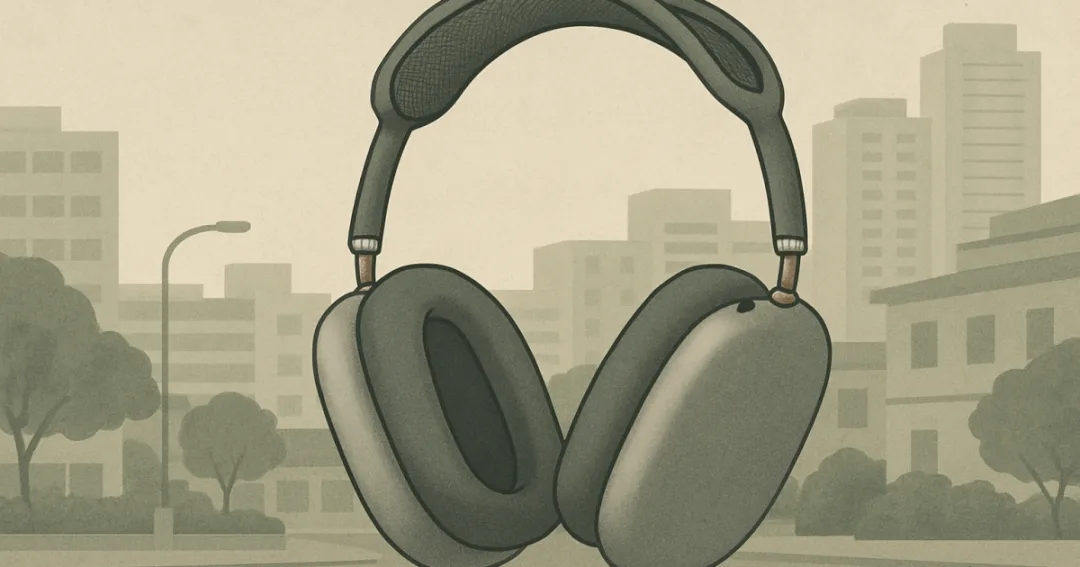
Apple’s AirPods Max occupy an unusual position in the personal audio landscape. They are neither the first premium wireless headphones nor the most technically ambitious on paper, yet they have become a reference point in conversations about design, ecosystem lock-in, and the meaning of “premium” in consumer tech. Their existence matters because they distill many of the questions that now surround high-end gadgets: how much of the value lies in hardware, how much in software, and how much in the brand narrative that wraps around both. In an era when smartphones are increasingly similar, accessories like these headphones have become a prominent way for companies to differentiate themselves and for consumers to express preference, identity, and priorities. The AirPods Max, in that sense, are less a simple audio product and more a lens through which to examine where personal technology is heading.
Historically, over-ear headphones evolved from studio tools into lifestyle objects, shaped by changing habits of music consumption. Once, fidelity and durability were the primary concerns; now, wireless convenience, noise cancellation, and seamless integration with other devices have become just as important. Apple entered this space relatively late compared with established audio brands, but it brought a familiar strategy: tight integration with its own ecosystem and a strong emphasis on industrial design. The AirPods Max extend this approach from the in-ear AirPods line into a more conspicuous form factor that sits visibly on the user’s head, making them as much a style signal as a listening device. This progression mirrors a broader shift in consumer electronics, where aesthetic coherence across devices is treated as part of the product’s core value rather than a superficial add-on.
The public relevance of a product like AirPods Max emerges from the trade-offs it represents. On one hand, users benefit from features that tend to work more smoothly when everything comes from a single ecosystem: quick pairing, synchronized settings, and software updates that arrive in a coordinated manner. On the other hand, this convenience can reinforce a sense of dependence on one company’s standards, potentially discouraging experimentation with competing platforms or open solutions. The headphones themselves highlight a tension between repairability and refinement, with design choices that prioritize seamless surfaces and compact mechanisms over user-serviceable parts. As more devices adopt similar approaches, societies will need to think more carefully about how long such products are meant to last and what options exist when components age or fail.
Economically, premium headphones like the AirPods Max contribute to the growing stratification of consumer tech into clear budget, midrange, and luxury tiers. The pricing places them firmly in a category that aspires to be aspirational, not mass-market, even if their visual presence in public spaces can make them seem ubiquitous in certain circles. This stratification shapes expectations: once a certain standard of noise cancellation, call quality, or spatial audio is associated with high-end models, pressure builds for those capabilities to filter down into more affordable devices. At the same time, the high-margin nature of such accessories can encourage companies to focus on iterative refinements that sustain desirability rather than radical redesigns that might lower costs or increase openness. Consumers, in turn, are left to decide whether they are paying primarily for tangible performance, for integration, or for the social meaning attached to a recognizable object.
Looking ahead, the significance of AirPods Max may not lie in their specific feature set, but in the direction they signal for personal audio and wearable technology. The line between headphones, computing devices, and fashion accessories