BRP RAJAH SULAYMAN
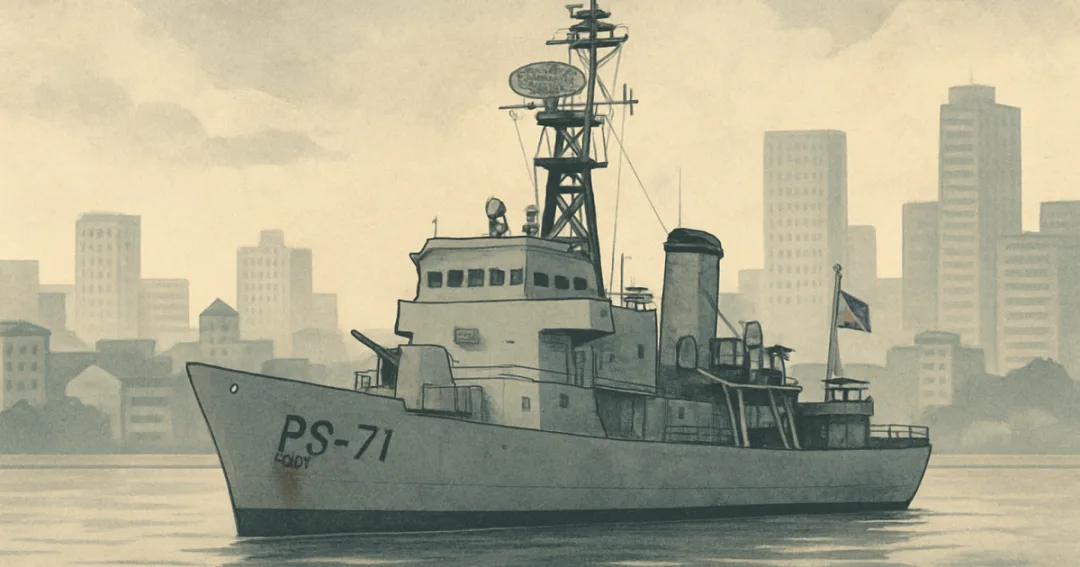
The recent attention on BRP Rajah Sulayman, a decommissioned Philippine Navy vessel, invites a deeper reflection on how societies relate to aging military assets and maritime heritage. At first glance, an old warship may seem like little more than scrap metal, overshadowed by headlines about modern defense acquisitions and regional tensions. Yet the way a country treats such ships, especially those named after historical figures, often reveals its priorities in memory, security, and nation-building. BRP Rajah Sulayman stands at the intersection of these concerns: a symbol of past cooperation, a reminder of capability gaps, and a tangible link to a precolonial leader whose name it bears.
Historically, vessels like BRP Rajah Sulayman have served as workhorses of naval fleets in developing maritime states, often acquired second-hand and adapted to local needs. They have patrolled coastlines, supported humanitarian missions, and provided visible proof of a government’s presence at sea. Over time, however, the cost of maintaining older platforms rises, while their operational relevance declines in the face of modern threats and technologies. The gradual obsolescence of such ships underscores a familiar dilemma: whether to keep investing in aging assets or divert scarce resources toward fewer but more advanced platforms. This tension is not unique to one navy; it is a recurring challenge across many states balancing fiscal limits with security demands.
The name Rajah Sulayman itself adds another layer of meaning to the discussion. As a historical figure associated with early resistance to foreign domination in the Manila area, he represents a tradition of local leadership and maritime engagement long before modern nation-states emerged. Naming a warship after him was not merely ceremonial; it was an attempt to connect contemporary defense institutions with deeper cultural and historical roots. When ships bearing such names are retired or left to decay, it raises quiet questions about how consistently a country honors its own narratives. The fate of the vessel can subtly shape how citizens, especially younger generations, perceive the continuity between their past and present.
Beyond symbolism, the case of BRP Rajah Sulayman speaks to broader issues of maritime strategy and public accountability. Old ships are often retired with little public discussion, even though they once carried the flag and used taxpayer-funded resources. Decisions on whether to scrap, preserve, or repurpose them are usually made within technical and budgetary frameworks, but they also have educational and diplomatic implications. A thoughtfully preserved vessel can serve as a training platform, a museum piece, or a venue for civic engagement, helping demystify defense institutions. Conversely, allowing such a ship to fade from view without context risks reinforcing a sense that defense policy is distant and opaque.
Looking ahead, the story of BRP Rajah Sulayman can be a prompt for a more deliberate approach to maritime heritage and capability planning. As navies modernize, they might consider clearer criteria for which ships are preserved, how they are explained to the public, and what values their names are meant to uphold. This is not a call for nostalgia, but for coherence: aligning procurement, decommissioning, and commemoration with a long-term vision of national identity and maritime responsibility. In a region where the sea is central to trade, security, and culture, even a retired warship can still serve a purpose—if it is integrated into a broader conversation about who guards the waters, why it matters, and how history can inform the choices made today.