BULACAN FLOOD PROJECTS WORTH P325 MILLION FLAGGED FOR IRREGULARITIES
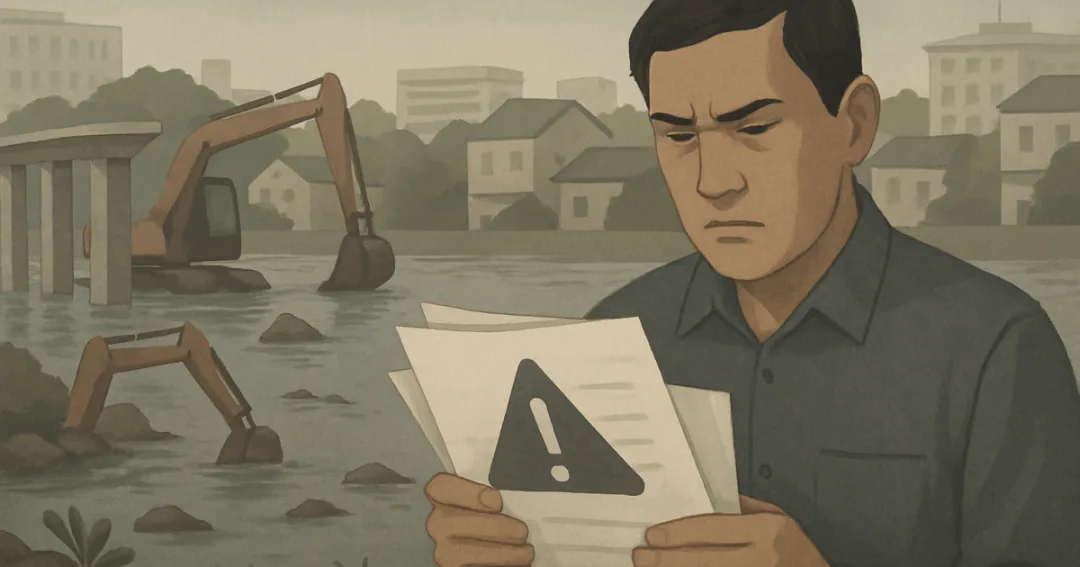
The flagging of Bulacan flood control projects reportedly worth hundreds of millions of pesos for alleged irregularities highlights a recurring weakness in public infrastructure governance: the gap between planning and actual delivery. Flood mitigation is not a cosmetic undertaking; it is a lifeline for communities that endure yearly inundations, lost livelihoods and damaged property. When projects designed to protect residents from disaster come under suspicion, it is not just a question of accounting—it is a question of public safety. The controversy matters because every peso misused in such projects is a peso not spent on protecting homes, schools and small businesses from the next heavy rain.
Bulacan’s vulnerability to flooding is well known, shaped by its geography, rapid urbanization and the strain on drainage systems and waterways. Over the years, various administrations have announced flood control and infrastructure programs, often in response to particularly damaging typhoons or monsoon seasons. Yet the persistence of the problem, and the recurrence of questions about how funds are used, suggest that the issue is not only the volume of spending but the integrity and efficiency of the processes behind it. When oversight bodies flag irregularities in procurement, implementation or documentation, it revives public doubts about whether the cycle of allocation, construction and evaluation is genuinely serving communities at risk.
Allegations of irregularities in public works also speak to a broader pattern observed across different regions and sectors. Infrastructure projects tend to be technically complex, involve multiple layers of contracting and subcontracting, and often progress away from public view. These characteristics make them particularly vulnerable to weaknesses in transparency and accountability. Even when irregularities do not amount to outright corruption, poor planning, inadequate supervision or non-compliance with standards can lead to substandard structures that fail when they are most needed. For flood control works, the consequences of such failures are not abstract; they can mean higher flood levels, faster erosion and greater damage during storms.
The public relevance of these concerns extends beyond Bulacan or any specific set of projects. Citizens across the country rely on public infrastructure not only to move people and goods, but to safeguard them from increasingly frequent and intense climate-related hazards. The credibility of institutions tasked with building and auditing these projects is therefore central to public trust. Strengthening procurement rules, improving technical vetting, and ensuring that monitoring reports are accessible and understandable to the public can help narrow the space for irregularities. Equally important is consistent follow-through: investigations must be completed, findings disclosed, and corrective measures implemented, whether they involve administrative sanctions, legal action or reforms in procedures.
Ultimately, the controversy surrounding the Bulacan flood projects is a reminder that disaster resilience begins long before the rain falls. It begins in the planning offices, in the bidding rooms, and at construction sites where decisions are made about materials, timelines and compliance with standards. If these early stages are compromised, even well-funded programs will deliver fragile protection. Moving forward, the challenge for institutions is to treat oversight not as an afterthought but as an integral part of building durable, trustworthy infrastructure. For communities living under the shadow of recurring floods, genuine accountability in these projects is as essential as the dikes and drainage systems themselves.