CASIMERO
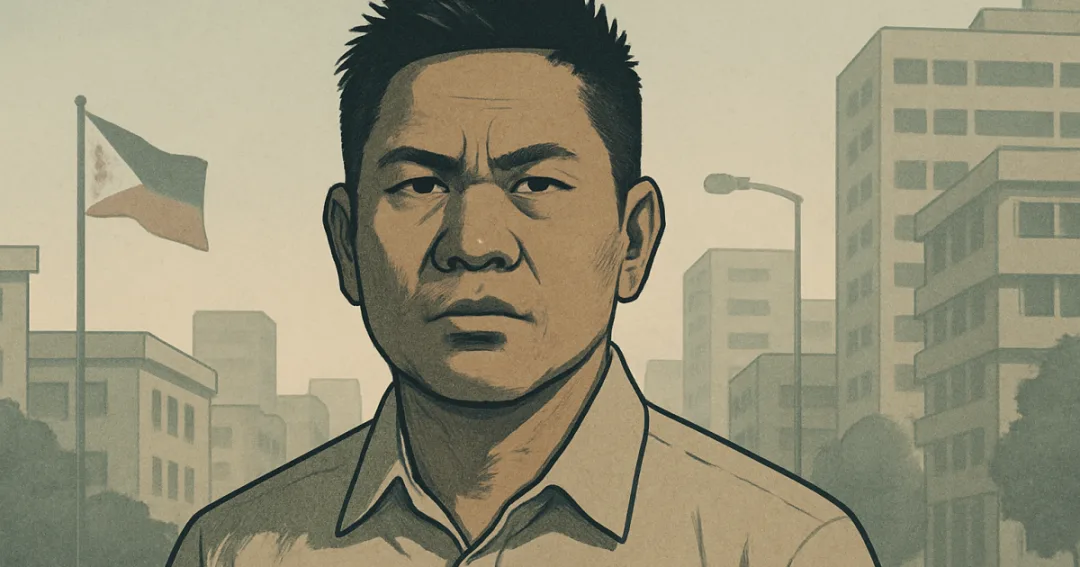
In recent years, the name Casimero has come to signify more than just an individual athlete; it has become a shorthand for the tensions that surround contemporary professional boxing. As a fighter, he embodies the arc that many fans find compelling: talent emerging from modest circumstances, climbing through weight divisions, and demanding recognition on the global stage. Yet the public conversation around him is rarely limited to performance in the ring. It often includes questions of discipline, professionalism, and the blurred line between sporting excellence and public spectacle. This makes Casimero an instructive case study for how modern boxing is consumed, debated, and commercialized.
To understand why his trajectory matters, it is useful to recall how boxing has historically balanced skill and persona. Champions have always been expected to entertain, but earlier eras placed greater emphasis on titles, rankings, and long-term legacies. Today, social media visibility and controversy can be as influential as win–loss records in determining who attracts big fights and lucrative contracts. Casimero’s rise has unfolded in this environment, where a boxer’s brand is built not only through training camps and fight nights, but also through livestreams, online callouts, and public disputes. The result is a career shaped as much by narrative management as by technical proficiency.
This shift has broader implications for how athletes, promoters, and audiences share responsibility for the tone of the sport. When conduct outside the ring becomes central to a boxer’s identity, it can overshadow the discipline and sacrifice required to compete at the elite level. In Casimero’s case, public conversations have frequently focused on controversies and personality clashes, sometimes at the expense of more substantive analysis of his style, adaptability, and strategic choices as a fighter. For younger athletes watching from the sidelines, the message can be ambiguous: is it enough to work hard and perform well, or must one also cultivate a constant stream of attention-grabbing moments? The incentives created by this environment can shape how the next generation approaches both training and public engagement.
Institutions within the sport—regulatory bodies, promoters, broadcasters, and training teams—have a role to play in setting expectations. They can reinforce standards of conduct, clarify rules, and provide avenues for dispute resolution that do not depend on public drama. At the same time, the audience is not a passive actor. Viewers, especially in markets where boxing is a source of national pride, help determine what is rewarded through their viewing choices, social media engagement, and willingness to overlook certain behaviors in exchange for entertainment. Casimero’s prominence illustrates how quickly a boxer can become emblematic of wider debates about professionalism, respect, and responsibility in a high-stakes, highly visible sport.
Ultimately, the conversation around Casimero is less about judging one personality and more about clarifying what kind of sporting culture fans and institutions wish to sustain. Boxing will always accommodate strong characters and heated rivalries; these are part of its enduring appeal. But it can also insist that talent be framed within clear norms that protect athletes’ welfare, uphold fair competition, and respect the intelligence of the audience. As Casimero’s career continues to unfold, it offers an opportunity for reflection: not only on how a single fighter navigates fame, pressure, and expectation, but also on how a sport with deep roots can adapt to a digital era without losing its core values.