CASTRO: ALLEGED PROPOSED IMPEACHMENT VS MARCOS ‘UNSUBSTANTIATED’
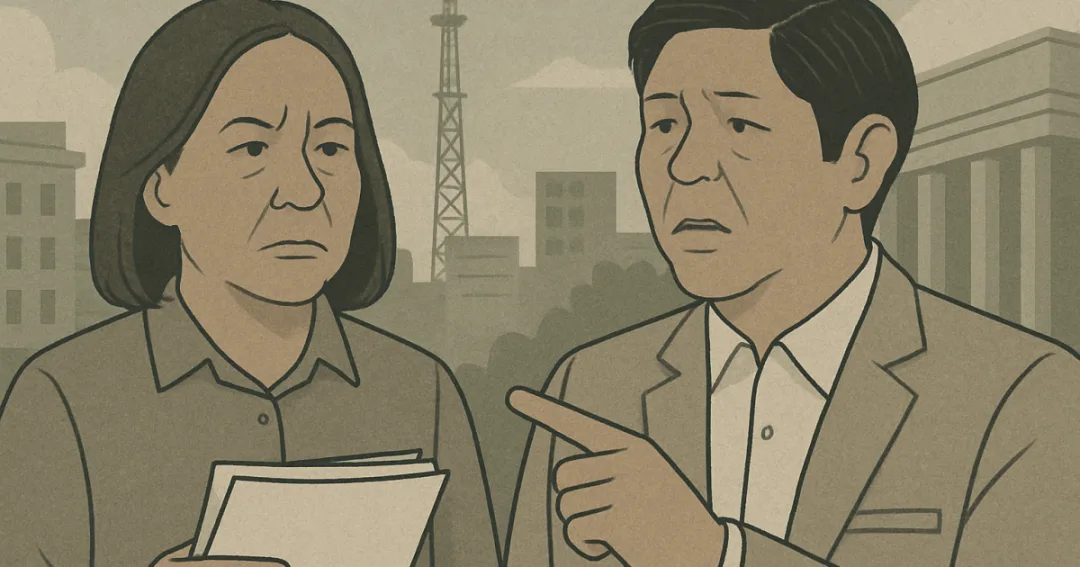
The recent assertion by a key legislative leader that an alleged proposed impeachment complaint against the sitting president is “unsubstantiated” highlights a recurring tension in democratic systems: the thin line between political accountability and political maneuvering. Impeachment, by design, is a grave constitutional mechanism, not a routine instrument of partisan contestation. When talk of impeachment surfaces—whether or not a formal complaint has been filed—it can unsettle public confidence, stir speculation, and distract from governance. That is why early characterizations of such moves, especially by influential figures in the legislature, matter. They shape public perception long before any formal legal or constitutional assessment is undertaken.
In many democracies, including the Philippines, impeachment has historically been both a legal process and a political event. Past proceedings against presidents and other high officials have left deep marks on institutions and public memory, sometimes strengthening the sense of accountability, at other times reinforcing the impression of politicized justice. This history inevitably colors how citizens interpret new impeachment talk: some may see it as a necessary check on power, others as a familiar script of destabilization. Against that backdrop, dismissing an alleged complaint as lacking basis can be read either as a stabilizing gesture or as a pre-emptive attempt to insulate the executive from scrutiny. The truth often lies not in rhetoric but in the evidence and procedure that follow—if a case ever formally materializes.
The claim that impeachment efforts are “unsubstantiated” raises important questions about standards of proof and responsibility in public discourse. On one hand, it is reasonable for political leaders to caution against frivolous or speculative accusations that could paralyze governance and erode trust in institutions. On the other hand, categorically branding potential complaints as baseless before they are fully examined risks discouraging legitimate whistleblowers and complainants. It also places the narrative in the realm of political messaging rather than institutional process. In a healthy democracy, serious allegations against any high official—however unlikely or unwelcome—are best evaluated through established mechanisms, not solely through public statements.
For citizens, the deeper issue is less about the personalities involved and more about the credibility of the constitutional framework. Impeachment should remain a remedy of last resort, activated only when there is a reasonable belief that grave violations have occurred. At the same time, the mere possibility of impeachment is a reminder that no office is beyond scrutiny. Public confidence depends on seeing that such a mechanism is neither trivialized nor rendered symbolic. Transparent procedures, clear thresholds for evidence, and consistent application of rules can help ensure that impeachment remains what it was intended to be: a solemn safeguard, not a recurring headline.
Ultimately, how this episode evolves will say much about the maturity of the country’s political culture. If discussions about impeachment—real or rumored—are handled with restraint, factual grounding, and respect for institutions, they can reinforce democratic norms rather than weaken them. Political leaders have a particular responsibility to avoid either inflaming tensions or prematurely foreclosing legitimate inquiry. For the public, the challenge is to remain attentive yet discerning, neither numbed by repeated controversy nor easily swayed by partisan framing. In the long run, the stability and integrity of governance will depend less on the rise and fall of individual leaders and more on the consistent, credible functioning of the constitutional processes designed to hold them to account.