?CRIMINALIZING COMPASSION”: THE CASE OF TALAINGOD 13
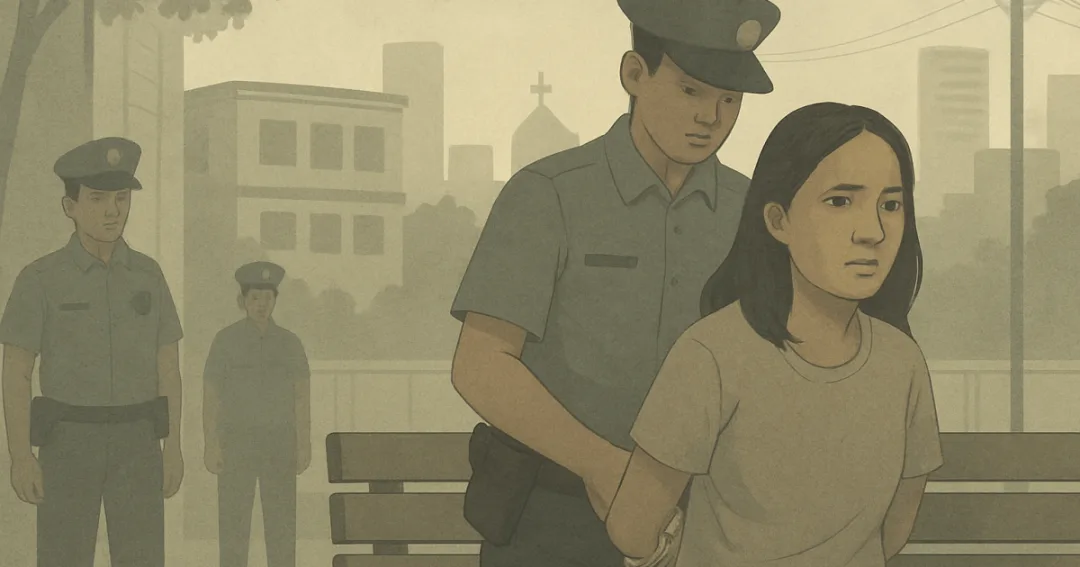
The case commonly referred to as the “Talaingod 13” has become a touchstone for a deeper debate about how societies treat those who work with vulnerable communities. At its core, the controversy revolves around the line between lawful security measures and the risk of criminalizing humanitarian or advocacy work. When volunteers, educators, or community organizers are accused of serious offenses for activities they view as protective or supportive, the public is forced to confront uncomfortable questions about intent, evidence, and the boundaries of state power. This is not simply a legal dispute; it is a test of how a democratic society balances safety with compassion.
To understand why the Talaingod 13 case resonates, it must be placed within a broader history of conflict in rural and indigenous areas. For decades, such regions have been marked by overlapping struggles: armed insurgency, land disputes, resource extraction, and long-standing grievances over neglect and discrimination. In this environment, almost any civic or humanitarian initiative can be viewed with suspicion by one side or another. Teachers, health workers, and rights advocates who enter these areas often operate in a grey zone, where their presence can be interpreted either as service to the marginalized or as interference in sensitive security matters. The Talaingod 13 thus symbolize a wider pattern in which the lines between activism, solidarity, and alleged subversion are contested.
The phrase “criminalizing compassion” has emerged precisely because of this ambiguity. When individuals claim that their intention is to protect children, assist displaced families, or accompany threatened communities, the use of criminal charges against them raises questions about proportionality and due process. Authorities have a duty to investigate allegations of wrongdoing, particularly in conflict-affected zones, yet they also bear the responsibility of ensuring that investigations are grounded in evidence and not in generalized suspicion. If the threshold for criminal liability becomes too low, the risk is that legitimate humanitarian or educational work will be chilled by fear of prosecution. Over time, this can erode the social fabric in areas that most need outside support and oversight.
The implications extend far beyond a single case in Talaingod. When the public sees teachers, church workers, or rights advocates entangled in protracted legal battles, it sends a message about the risks of engaging in public-interest work. Communities that rely on outside assistance may find themselves even more isolated as organizations become more cautious about entering contested spaces. At the same time, the credibility of state institutions depends on being perceived as even-handed, transparent, and guided by clear standards rather than by political or ideological animus. How such cases are handled—whether through dismissal, acquittal, conviction, or reform of procedures—shapes public trust in the justice system and in democratic institutions more broadly.
Ultimately, the Talaingod 13 case invites a sober reassessment of how societies define security, dissent, and solidarity. Genuine threats to public order must be addressed, but so must the structural conditions that make communities vulnerable in the first place. That work often requires the presence of precisely those actors who are now at risk of being treated as suspects. Moving forward, the challenge is to strengthen safeguards for rights, clarify protocols for humanitarian engagement in conflict zones, and cultivate a culture where compassion is not conflated with criminality. If there is any lesson to be drawn, it is that a society’s resilience is measured not only by how it confronts danger, but also by how it protects those who choose to stand beside the most vulnerable