CUTTING HAIR, NOT CLASSES
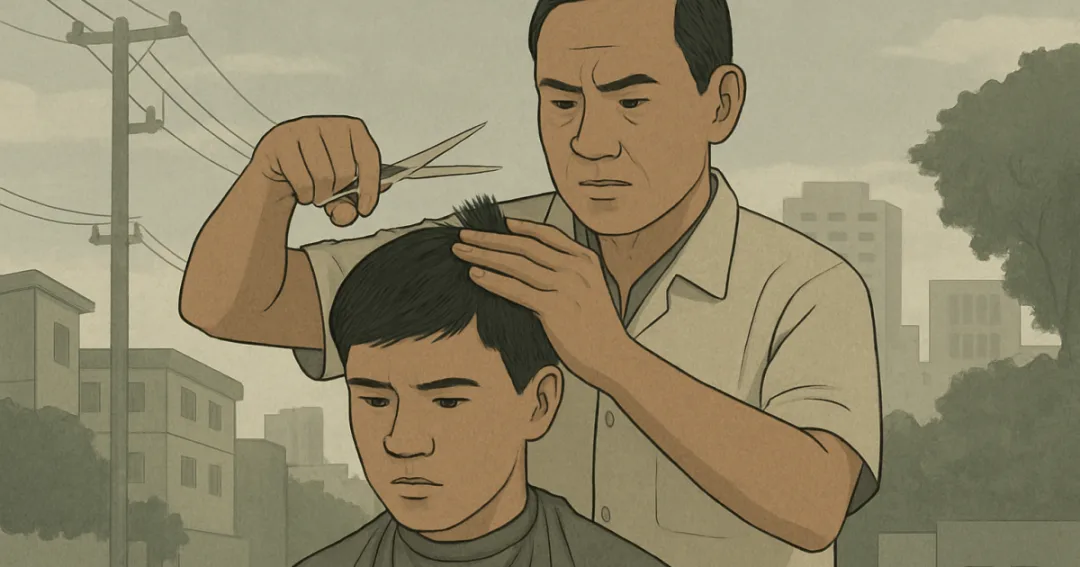
The debate over school hair regulations often appears trivial at first glance, a distraction from what many see as more pressing issues in education such as learning outcomes, teacher support, and classroom resources. Yet behind every story of a student disciplined for a haircut or hairstyle lies a deeper question: what, exactly, is the purpose of schooling? When young people are pulled out of class, suspended, or publicly reprimanded for violations of grooming codes, the system sends a message about which values it prioritizes. If the enforcement of appearance standards routinely interrupts instruction, then the slogan “cutting hair, not classes” captures more than a clever phrase; it highlights a misalignment between institutional rules and educational goals. Schools that profess to value learning above all else must confront whether their policies actually reflect that commitment.
Hair rules in schools are not new. They are rooted in older notions of discipline, uniformity, and respectability, often inherited from eras when conformity was prized over individuality. For decades, codes on length, style, and color have been justified as promoting order and minimizing distraction. But social norms evolve, and what once seemed necessary for maintaining decorum increasingly appears out of step with contemporary understandings of identity and expression. Around the world, students and parents have begun to question whether rigid grooming policies still serve a legitimate educational purpose, or whether they persist mainly out of habit and institutional inertia.
The implications of strict hair regulations reach beyond mere inconvenience. When students are removed from lessons or barred from school activities because of their appearance, the consequence is not just a corrected haircut; it is lost instructional time and potential stigmatization. This is especially concerning when enforcement appears uneven, or when particular hair types, cultural styles, or religious expressions are disproportionately targeted. In such cases, a rule that is framed as neutral can be experienced as exclusionary. Over time, repeated conflicts over grooming can erode trust between students and school authorities, weakening the very culture of respect that dress codes are supposed to reinforce.
Reconsidering hair policies does not require abandoning all standards or discipline. It calls instead for clarity about what genuinely supports a safe, focused learning environment and what merely polices appearance for its own sake. Institutions can review their codes with input from educators, parents, and students, asking whether each rule advances academic and developmental goals or simply reflects outdated preferences. Processes for enforcement can be designed to minimize disruption to learning, favoring conversation and guidance over punitive measures that pull students out of class. When schools treat young people as partners in shaping reasonable norms, they encourage responsibility rather than mere compliance.
Ultimately, the question is not whether hair rules should exist, but whether they should ever overshadow the central mission of education. A system that invests energy in policing hairstyles while students struggle with basic skills risks misplacing its priorities. As societies confront widening educational gaps and rapid technological change, the focus of schools must shift decisively toward nurturing critical thinking, resilience, and inclusion. “Cutting hair, not classes” is a reminder that every policy choice carries an opportunity cost. If institutions choose to loosen their grip on appearance and tighten their focus on learning, they may find that respect, order, and academic achievement can coexist without sacrificing the individuality of the students they serve.