DIGITAL WALKER LAUNCHES TECH-FILLED COSMIC BOX
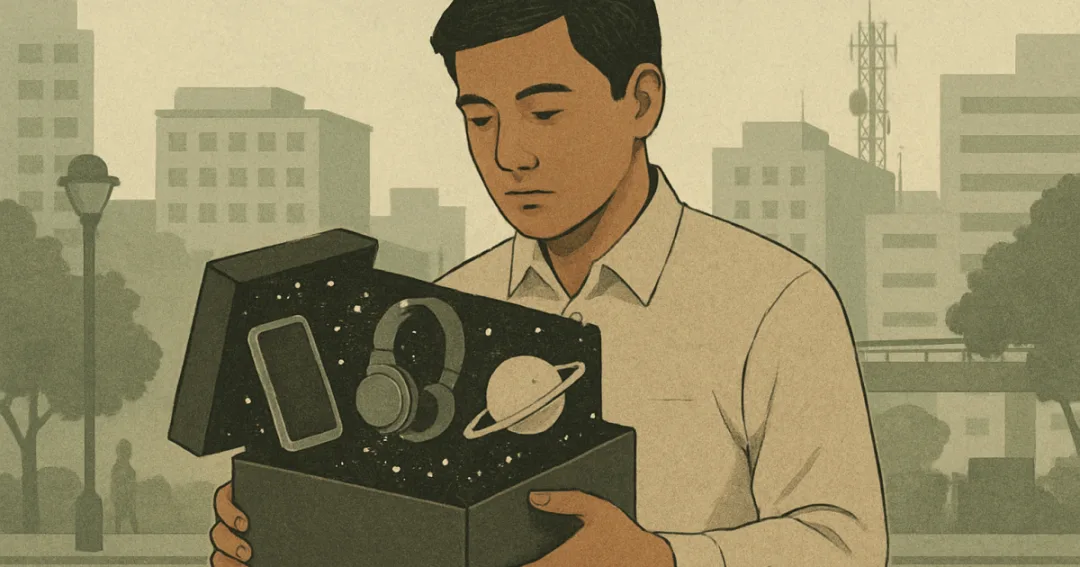
Digital Walker’s launch of a “tech-filled Cosmic Box” arrives at a moment when consumer electronics are increasingly marketed as experiences rather than mere products. A curated bundle of gadgets, presented with a thematic concept, appeals to buyers who want both novelty and perceived value. For a retailer associated with lifestyle technology, this kind of offering reinforces a brand identity built on discovery and curation. It also capitalizes on the enduring appeal of mystery boxes and limited sets, which promise surprise while simplifying the decision-making process for overwhelmed consumers. The move is not just a marketing flourish; it reflects how tech retailers are adapting to a crowded marketplace and shifting customer expectations.
Historically, electronics shopping involved comparing individual specifications and prices, with consumers painstakingly researching each device. As product categories matured and differences between competing brands became less obvious to casual buyers, retailers began emphasizing ecosystems and bundles to make choices easier. Curated boxes like this Cosmic Box are a logical extension of that trend, packaging multiple accessories or devices around a unifying theme. They also echo earlier eras of “starter packs” and promotional gift sets, but updated for a digital lifestyle where headphones, chargers, cases, and small smart devices are seen as interconnected essentials. The presentation of a box as “cosmic” or futuristic positions it as part of a broader narrative about tech as both utility and aspiration.
For consumers, the implications are mixed and worth considering carefully. On one hand, a well-designed bundle can deliver real value, particularly if it includes items that people are likely to buy anyway over time. It can introduce lesser-known but high-quality brands or product categories that a buyer might not have tried individually. On the other hand, the mystery or theme-driven approach can encourage impulse purchases and accumulation of redundant gadgets. The key question for buyers is whether the contents align with their actual needs, rather than with the excitement generated by the packaging and branding.
From a retail and industry perspective, offerings like the Cosmic Box illustrate how brick-and-mortar and online stores are trying to maintain relevance in an era of direct-to-consumer sales and algorithm-driven recommendations. Curated tech boxes allow retailers to showcase a range of partner brands, manage inventory creatively, and differentiate themselves from generic marketplaces. They also encourage repeat visits and social media engagement, as customers share unboxings and reactions. At the same time, this model places a responsibility on retailers to be transparent about general value, quality standards, and the nature of what is being sold, especially when surprise is part of the appeal. Retailers that treat curation as a serious, consumer-centered task rather than a gimmick are more likely to earn long-term trust.
Looking ahead, the success of products like Digital Walker’s Cosmic Box will depend on whether they can move beyond novelty and build sustainable habits of thoughtful consumption. If curated tech boxes become vehicles for introducing durable, genuinely useful devices, they may help simplify the complexity of the modern gadget landscape. If, however, they devolve into short-lived trends filled with disposable accessories, they risk contributing to e-waste and buyer fatigue. As consumers become more discerning and more conscious of environmental and budget concerns, they will likely reward retailers that balance creativity with responsibility. The Cosmic Box, and similar offerings that may follow, will serve as a test of how well the tech retail sector can align excitement with substance.