DITO BIZBAYAN POWERS SOUTH TRADING POST EVENTS
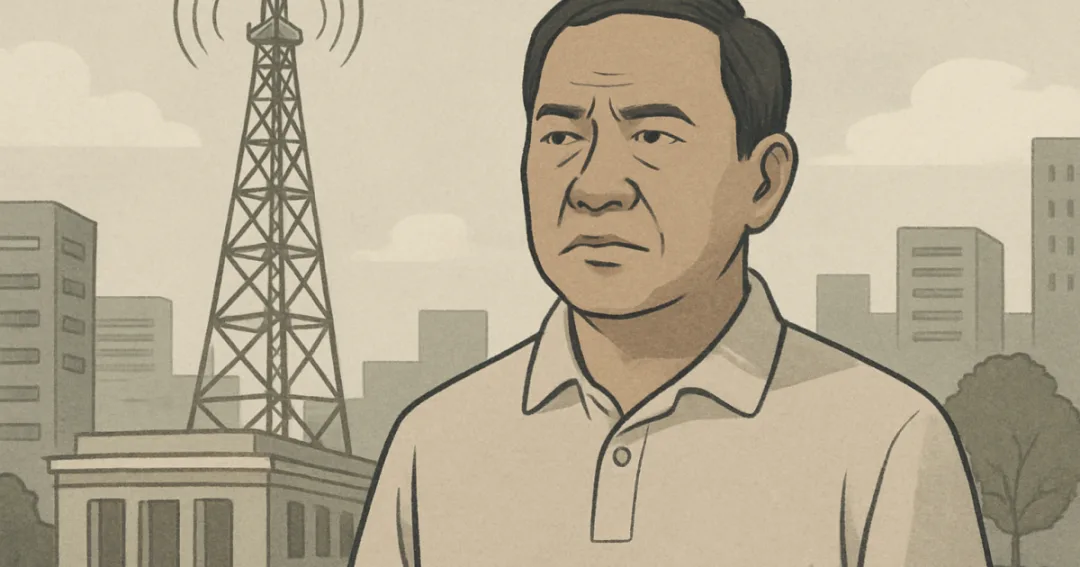
Dito Bizbayan’s role in powering South Trading Post events highlights how digital infrastructure is quietly reshaping local commerce and community life. At first glance, a telecommunications-backed platform supporting a trading hub may seem like a routine corporate initiative. Yet behind this pairing is a broader story about how connectivity, digital tools, and curated marketplaces can change the way small businesses and consumers interact. When events at a trading post are enabled by reliable connectivity and basic digital services, they can evolve from simple market days into more organized, data-informed, and inclusive economic activities.
Historically, trading posts and local markets have been built on proximity, trust, and word-of-mouth. Their success depended on foot traffic, physical visibility, and personal relationships. The addition of a digital layer—such as online promotion, basic analytics, and more seamless communication—does not erase these foundations, but it does alter how they operate and grow. In many places, the shift from purely physical marketplaces to hybrid physical-digital spaces has allowed small traders to reach customers beyond their immediate neighborhoods, while giving buyers more information and choice. A platform like Bizbayan participating in South Trading Post events fits into this wider trend of blending traditional commerce with modern connectivity.
The implications for local entrepreneurs are significant. When events are digitally enabled, even at a basic level, small vendors can benefit from more predictable schedules, clearer information flows, and potentially wider exposure. For example, pre-event announcements, online listings of participating merchants, and simple digital feedback mechanisms can help stall owners plan better and tailor their offerings. Over time, such systems can encourage more professional management of inventory, pricing, and customer engagement. This is not a guarantee of success for every business, but it offers tools that were previously accessible mainly to larger, more formal enterprises.
For consumers and the broader public, the benefits are more subtle but equally relevant. Digital support for trading post events can lead to better-organized venues, clearer information about products and services, and more transparent communication when schedules or locations change. When connectivity is integrated into these spaces, it can also support basic financial inclusion, such as easier access to digital payment options where they are available and appropriate. At the same time, there are legitimate concerns about digital divides, privacy, and the risk that smaller, less tech-savvy vendors may feel left behind. These concerns underscore the need for any such initiative to prioritize accessibility, basic digital literacy, and fair participation.
Ultimately, Dito Bizbayan’s involvement with South Trading Post events is a microcosm of a larger transition in how communities organize economic activity. The challenge is to ensure that this transition strengthens, rather than displaces, the social and cultural fabric that has long defined local markets. If managed thoughtfully, the partnership between a digital platform and a traditional trading venue can demonstrate how technology can serve as an enabler rather than a replacement. The real measure of success will not be in the volume of transactions alone, but in whether vendors and consumers feel more empowered, better connected, and more resilient. As similar collaborations emerge elsewhere, they will collectively shape what the next generation of community commerce looks like.