ERC ORDERS P31 BILLION NEW CHARGES FOR MERALCO CUSTOMERS
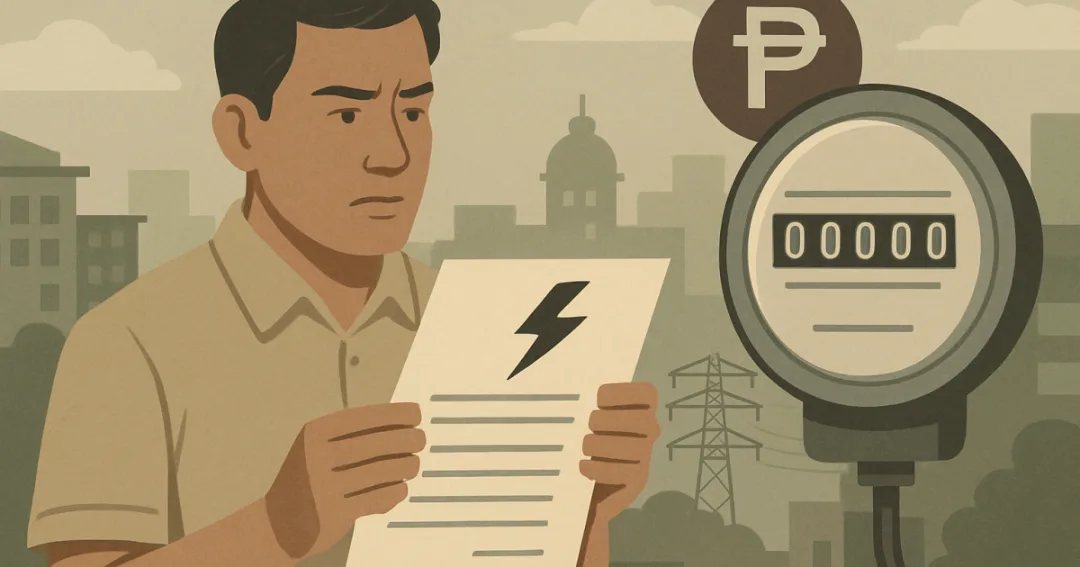
The decision by regulators to approve around P31 billion in additional charges for Meralco customers lands at a time when many households and businesses are already sensitive to rising costs. While the technical details of such orders can be complex, the core issue is straightforward: a large sum will ultimately be recovered from consumers through their electricity bills. For a service as essential as power, even modest adjustments in rates can have outsized effects on family budgets and business planning. This makes the transparency, timing, and structure of any new charges a matter of public interest, not just a technical concern for industry insiders.
To understand the significance of this development, it helps to place it within the longer history of how electricity costs are managed and passed on in the Philippines. The sector has long operated under a framework where distribution utilities recover certain costs approved by regulators, including those related to power purchases, infrastructure, and previous under-recoveries or adjustments. Over the years, consumers have become familiar with periodic bill fluctuations tied to fuel prices, foreign exchange movements, and regulatory decisions. Each new order of this scale, therefore, is not an isolated event but part of an ongoing pattern in which the structure and predictability of power costs remain a recurring concern.
The broader context is that the energy sector sits at the intersection of public service and private investment. Regulators are tasked with balancing multiple objectives: ensuring reliable supply, allowing utilities to recover legitimate costs, and protecting consumers from unreasonable burdens. When large sums are authorized for collection, questions naturally arise about how these amounts accumulated, over what period, and whether alternative mechanisms could have spread or reduced the impact. The credibility of the process depends not only on legal and technical soundness, but also on how well the public can understand and evaluate the rationale behind such decisions.
For ordinary consumers, the practical implications will be felt in monthly bills, even if the charges are spread over time. Households may adjust consumption patterns, while small and medium enterprises could find their margins further squeezed. Larger businesses, particularly those in energy-intensive industries, may revisit cost structures or pass on additional expenses to customers. In aggregate, higher electricity-related outlays can subtly influence inflation dynamics, investment decisions, and even the competitiveness of local industries relative to regional peers. These are not immediate shocks, but gradual shifts that shape economic behavior over months and years.
Looking ahead, the current episode underscores the need for clearer communication, more predictable regulatory pathways, and a stronger push toward long-term solutions that ease the recurring tension around power costs. Investments in more efficient generation, diversified energy sources, and modernized grids can, over time, reduce the frequency and magnitude of such contentious adjustments. At the same time, a more informed public discourse on how electricity tariffs are built—and why large reconciliations sometimes emerge—can foster trust in institutions and temper misunderstandings. The latest order may be another chapter in a familiar story, but it can also be an impetus to refine how the country manages the delicate balance between financial viability for utilities and affordability for the people they serve.