FEB 24 2026 LOTTO RESULT
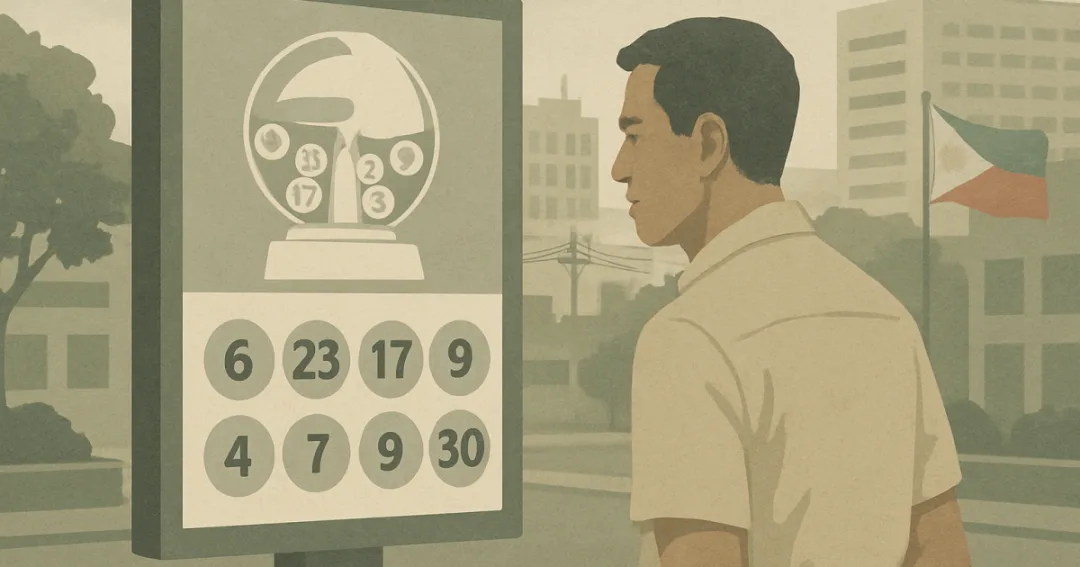
The announcement of the Feb 24, 2026 lotto result will, for many people, pass as a brief moment in the news cycle—a string of numbers, a confirmation of winners, and then silence until the next draw. Yet beneath that routine lies a recurring public question: what does this ritual of chance say about our economic realities, our expectations, and the way institutions manage hope? Each draw concentrates a vast amount of attention on a very small probability, inviting millions to imagine a sudden escape from financial constraint. The date and result themselves may be ephemeral, but the patterns of participation and reaction they reveal are anything but. They are a mirror, however imperfect, of public sentiment about opportunity, fairness, and the future.
Lotteries have long existed at the intersection of public finance and private aspiration. Historically, they have been framed as a way to raise funds for broadly beneficial programs while offering participants a voluntary game of chance. Over time, this dual character has made them both widely accepted and persistently debated. On one hand, they can provide revenue streams that support services without direct taxation. On the other, they normalize the idea that life-changing improvement is most accessible through luck rather than through structural opportunity, stable employment, or long-term policy planning.
The Feb 24, 2026 draw, like countless others, will likely draw heightened interest if the jackpot is perceived as unusually large or if it follows a streak of rollovers. In such moments, queues grow longer, online traffic surges, and casual observers become temporary participants. This surge is not merely about the numbers on a ticket; it reflects a collective readiness to invest small amounts of money in a narrative of possibility. For some, it is harmless entertainment. For others, particularly those under financial strain, it can represent a fragile strategy—an informal “plan” for relief that rests almost entirely on statistical improbability.
This is where institutions and regulatory frameworks matter. Responsible administration of lotteries requires more than transparent draws and audited processes; it also demands clear communication about odds, risks, and the limits of what such games can realistically offer. Public messaging that encourages moderation, discourages dependency, and directs those with signs of problematic gambling toward support services is not a moral luxury but a basic duty. Equally important is the transparent use of proceeds: when citizens can see how funds are allocated to public services, trust in the system is strengthened and the perception of exploitation is reduced. Without these safeguards, each new result—including that of Feb 24, 2026—risks reinforcing cycles of disillusionment rather than contributing to collective benefit.
As the numbers for that day recede into the archive of past draws, the real question is what kind of relationship society chooses to maintain with games of chance. It is neither realistic nor necessary to condemn all lottery participation; for many, it will remain a modest diversion, a brief moment of shared suspense. But it is equally important to recognize when hope is being outsourced to randomness instead of being grounded in sustainable economic and social policies. The lesson of every lotto result, including the Feb 24, 2026 draw, is that while chance can occasionally transform individual lives, it cannot substitute for the deliberate work of building systems that offer broader, more reliable paths to security and progress.