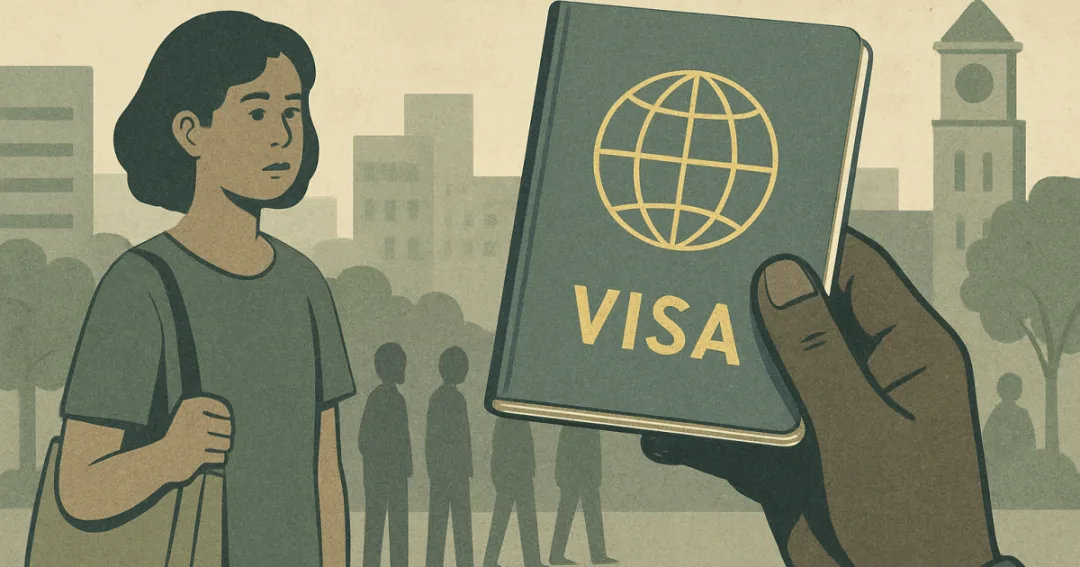
FILIPINO CAREGIVER IN ISRAEL KILLED DURING AIRSTRIKE
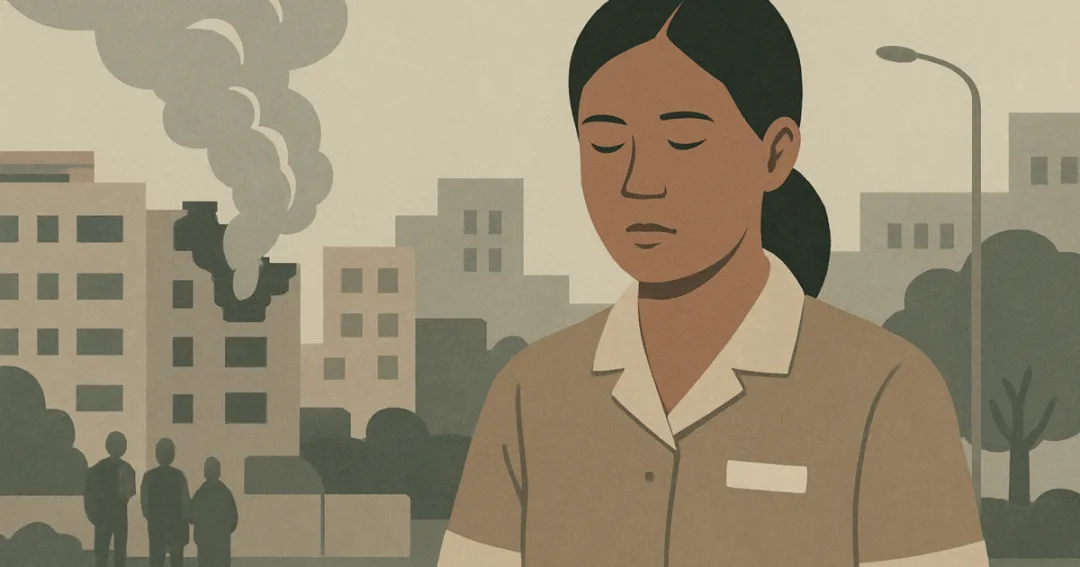
The reported death of a Filipino caregiver in Israel during an airstrike is a stark reminder that conflicts rarely remain confined to the combatants who wage them. Migrant workers, who travel abroad to support families and communities back home, often find themselves on the frontlines of danger without ever having chosen the battlefield. This incident underscores how globalized labor patterns intersect with geopolitical fault lines, placing vulnerable individuals in precarious situations. For the Philippines, a country with a large diaspora, every casualty abroad is both a personal tragedy and a national concern.
The presence of Filipino caregivers in Israel, as in many other countries, is rooted in long-standing labor migration trends. Economic disparities and limited employment options at home have encouraged generations of Filipinos to seek work overseas, particularly in caregiving and domestic service. This has created a complex dependence: host countries rely on foreign workers to fill essential roles, while sending countries rely on remittances to bolster their economies. When conflict erupts, that interdependence is tested, revealing how little protection and visibility migrant workers may have in crisis zones.
The death of a caregiver in an airstrike raises difficult questions about duty of care, risk assessment, and evacuation protocols. Governments, employers, and recruitment agencies all play a role in determining how migrant workers are informed about risks and what options they have to leave dangerous areas. In theory, mechanisms exist for assistance and repatriation, but in practice these can be slow, uneven, or constrained by security conditions on the ground. The incident highlights the persistent gap between formal commitments to protect overseas workers and the realities they face when conflict escalates suddenly.
Public concern over such tragedies is not only about one individual, but about the broader community of migrants who remain in harm’s way. Families in the Philippines follow overseas developments with a mix of hope and anxiety, knowing that a loved one’s safety can be altered by events far beyond their control. For host societies, the loss of foreign caregivers also reveals how deeply integrated these workers are into the daily lives of households, especially the elderly and vulnerable who depend on them. In this sense, the fate of migrant workers becomes a shared responsibility that crosses borders and cultures.
Looking ahead, this incident should prompt a sober re-examination of how migrant labor is managed in conflict-prone regions. Strengthening early-warning communication, ensuring realistic evacuation plans, and reviewing deployment policies to high-risk areas are not abstract policy debates but matters of life and death. It is neither realistic nor fair to expect that all risk can be eliminated, yet it is reasonable to demand that foreseeable dangers be addressed with urgency and transparency. The loss of a Filipino caregiver in an airstrike should not be seen as an isolated misfortune, but as a call to refine the systems that govern migration, so that those who leave home to care for others are not left unprotected when crises erupt.