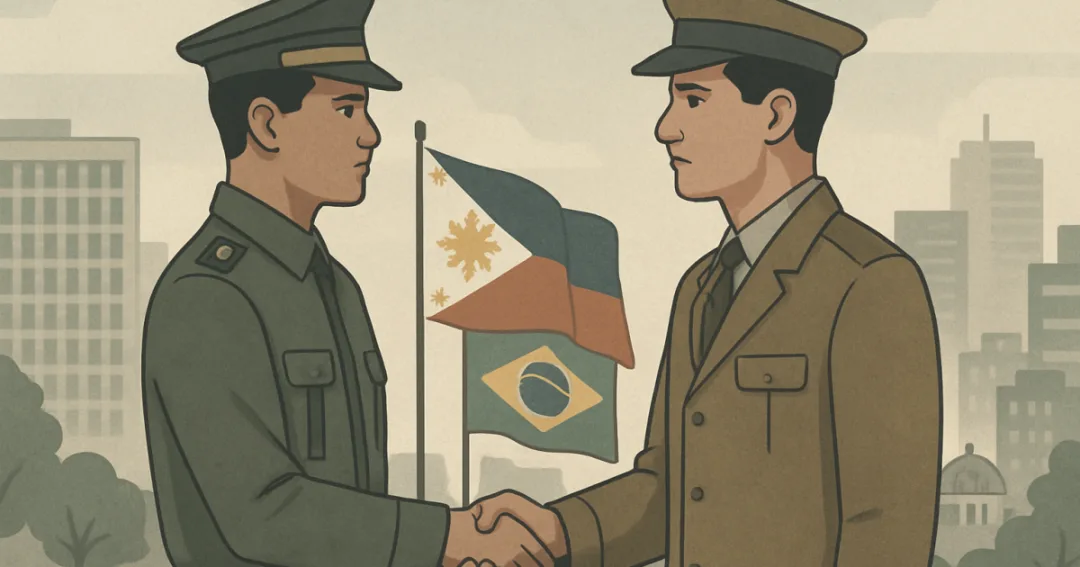
VISA EXTENSION GRANTED TO FOREIGNERS AFFECTED BY MIDDLE EAST TENSIONS
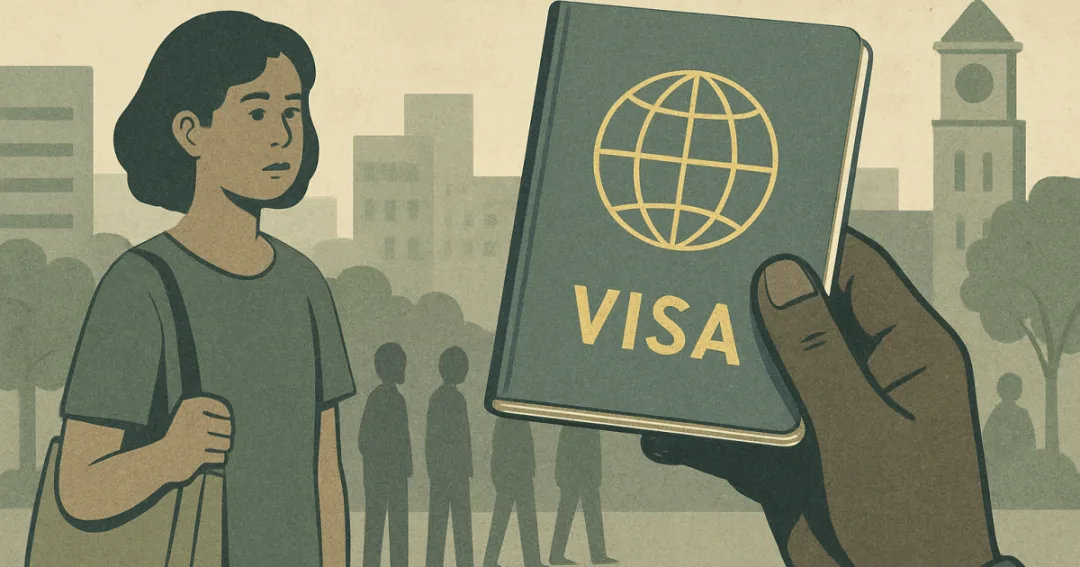
The decision to grant visa extensions to foreigners affected by the latest Middle East tensions is, at its core, an acknowledgment that geopolitical crises do not respect the expiry dates stamped in passports. People who arrived for work, study, tourism, or family visits can suddenly find themselves unable or unwilling to return home because of instability, disrupted flights, or personal security concerns. In such circumstances, rigid adherence to immigration timelines can quickly become inhumane, even counterproductive. Extending visas offers a legal and administrative bridge between the normal rules of mobility and the exceptional realities of conflict.
Historically, many states have resorted to similar measures during periods of acute regional unrest, armed conflict, or natural disasters. Temporary protections, deferred departures, and special stay arrangements have been used to manage the immediate humanitarian fallout without fundamentally rewriting long-term immigration policy. These mechanisms are often deliberately narrow, framed as time-bound responses to specific crises rather than open-ended commitments. The current extensions for those affected by the Middle East tensions fit into that lineage: they are a recognition that extraordinary circumstances require a degree of flexibility, but not necessarily a permanent reconfiguration of borders.
Still, the implications of such a move stretch beyond the purely administrative. For the individuals concerned, a visa extension can mean continuity of employment, uninterrupted education, or simply the ability to remain in a relatively safe environment while events unfold back home. For host communities, it can raise questions about capacity, social services, and the balance between compassion and regulation. Public opinion often divides between those who see such measures as a moral obligation and those who fear they may set precedents that are difficult to manage if crises become more frequent or prolonged. Managing that tension requires clear communication and predictable procedures.
Institutionally, the challenge lies in implementing visa extensions in a way that is fair, transparent, and consistent. Authorities must decide how to verify that an individual is genuinely affected by the situation, how long the extensions will last, and what conditions will apply. Coordination among immigration offices, consular services, employers, and educational institutions is essential to avoid confusion and unintended gaps in legal status. If handled poorly, even well-intentioned policies can generate uncertainty, administrative backlogs, or perceptions of unequal treatment. If handled well, they can demonstrate that the rule of law and humane flexibility are not mutually exclusive.
Looking ahead, the current extensions should prompt a more systematic conversation about how states prepare for sudden mobility disruptions linked to regional tensions. As global interconnections deepen, crises in one part of the world are more likely to strand people elsewhere, making ad hoc responses increasingly insufficient. Developing clear frameworks for temporary protection, with defined triggers and safeguards, could help depoliticize future decisions and reassure both foreign nationals and host societies. Ultimately, visa extensions for those affected by conflict are not only a bureaucratic adjustment; they are a test of how societies balance security, sovereignty, and solidarity in a turbulent international landscape.