MITSUBISHI VERSA VAN
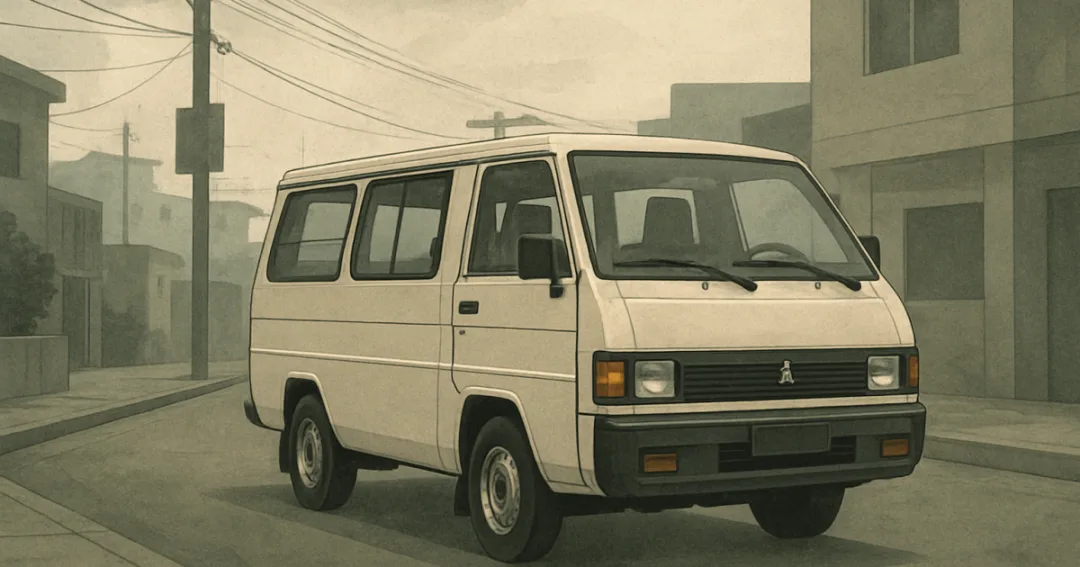
The reappearance of the Mitsubishi Versa Van in public conversation underscores how enduring the appeal of simple, boxy utility vehicles can be. In an era when many cars resemble one another with flowing lines and digital-heavy cabins, the Versa Van represents a different design philosophy: unpretentious practicality. It is less about style and more about space, ease of use, and the ability to adapt to varied roles, from family hauler to small business workhorse. This contrast matters because it highlights an ongoing tension in the automotive market between fashionable complexity and functional minimalism.
Historically, vans like the Versa have served as quiet enablers of everyday life. They have carried students to school, delivered goods to neighborhood stores, and transported extended families during holidays. Unlike iconic sports cars or luxury sedans, such vehicles rarely occupy the spotlight, yet they contribute significantly to mobility and commerce at a modest scale. Their box-like proportions maximize interior room, and their relatively straightforward engineering is often associated with durability and ease of maintenance. In this sense, the Versa Van is part of a long lineage of multipurpose vehicles that prioritize utility over image.
The contemporary context, however, is more demanding than when such vans first gained popularity. Expectations around safety, emissions, fuel efficiency, and comfort have all risen, and even the most utilitarian models are now evaluated through these lenses. Consumers are also increasingly aware of operating costs, from fuel consumption to maintenance, and are comparing traditional internal combustion vehicles with emerging electrified options. Within this environment, a vehicle like the Versa Van faces the challenge of remaining relevant while staying true to its original strengths. The question is whether a utilitarian van can evolve without losing the simplicity that made it attractive in the first place.
There are broader implications for how societies think about mobility and infrastructure. Compact vans and similar vehicles can play a role in reducing congestion when they replace multiple smaller trips or enable more efficient logistics in urban settings. Their flexible interiors make them suitable for shared use, from ride services to community transport, especially where public transit coverage is limited. At the same time, regulators and consumers will likely expect any new or revived model to align with goals related to cleaner air and quieter streets. This creates an opportunity for manufacturers to experiment with updated powertrains and modular interiors while still serving the same fundamental needs.
Ultimately, the renewed attention on the Mitsubishi Versa Van is less about nostalgia and more about the enduring relevance of practical design. As cities grow denser and households juggle multiple roles and responsibilities, vehicles that can quietly do many things well may gain renewed appreciation. Whether through incremental updates or more radical reinterpretations, the core idea behind the Versa Van—a straightforward, adaptable, people-and-cargo mover—remains sound. The real test will be whether automakers can preserve that core while meeting the standards of a more demanding, more environmentally conscious era. If they succeed, the humble van may once again become a central, if understated, pillar of everyday mobility.