'DOMENG' NOW A TYPHOON
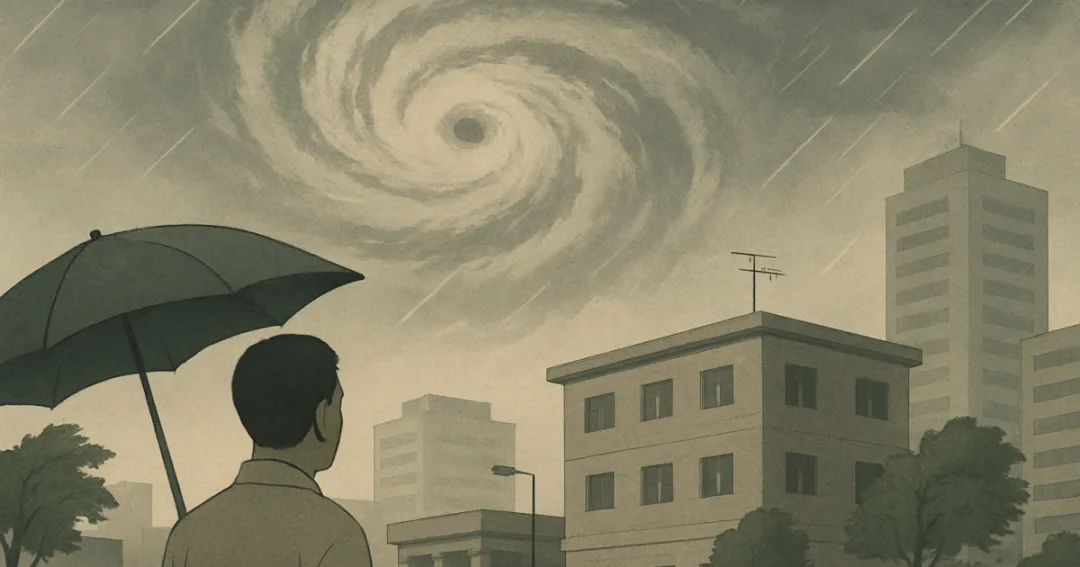
The upgrade of “Domeng” from a tropical storm to a typhoon is a familiar yet sobering turn in the Philippines’ weather narrative. Each time a weather disturbance intensifies, it tests the country’s systems of early warning, preparedness, and public communication. While such upgrades are often framed in technical terms—wind speeds, pressure, and trajectory—the deeper issue is how societies adapt to recurring climate-related threats. The transition from storm to typhoon is not just a meteorological event; it is a reminder of the persistent vulnerability of communities, infrastructure, and livelihoods. It matters because, in a country regularly visited by severe weather, every typhoon becomes a real-time assessment of lessons supposedly learned from previous disasters.
Historically, the Philippines has been among the most typhoon-exposed countries in the world, with multiple systems entering or forming within its area of responsibility each year. Over time, this reality has shaped both physical planning and social behavior, from the design of coastal settlements to the rhythm of school and work suspensions. Yet, despite this long experience, the impact of each new typhoon often reveals uneven levels of preparedness and resilience. Some communities benefit from better-built structures, clearer evacuation protocols, and more reliable information channels, while others remain dependent on last-minute measures. This contrast underscores how exposure to typhoons is universal, but the capacity to withstand them is not.
The intensification of storms like “Domeng” also intersects with broader concerns about climate variability and environmental change. Warmer oceans and shifting weather patterns are widely associated with the potential for stronger and more erratic tropical cyclones, adding uncertainty to already complex forecasting tasks. For ordinary citizens, however, these global discussions translate into very practical questions: Will this system bring severe flooding, prolonged power interruptions, or disruptions to food supply and transportation? Institutions tasked with monitoring and response must therefore balance scientific caution with clear, timely advisories that neither understate nor exaggerate risk. In this sense, the handling of “Domeng” becomes part of a larger conversation about how societies internalize and respond to climate-related warnings.
The public relevance of a typhoon upgrade goes beyond immediate safety concerns and touches on governance, social equity, and long-term planning. Decisions on suspending classes, work, and transport operations reveal how authorities weigh economic activity against precaution. Communities in low-lying or coastal areas, informal settlements, and remote regions often face the greatest danger, yet have the fewest resources to recover. How quickly they receive information, access shelters, and obtain post-typhoon assistance is a measure of how inclusive and responsive systems truly are. Each event thus becomes an opportunity to evaluate whether preparedness is improving in practice, or whether familiar gaps persist beneath the surface of routine advisories.
As “Domeng” moves along its path as a typhoon, the more meaningful question is not only how strong it becomes, but what it leaves behind in institutional memory. Will its passage reinforce a culture of proactive risk reduction, or simply add another entry to a long list of storms endured and then forgotten? Building resilience requires more than seasonal vigilance; it calls for sustained investment in infrastructure, environmental protection, public education, and data-driven planning. The country cannot control the formation or intensity of typhoons, but it can steadily improve how it anticipates, absorbs, and recovers from them. In that ongoing effort, each upgraded system, including “Domeng,” should be treated not just as