FULL MOON MAY 2026
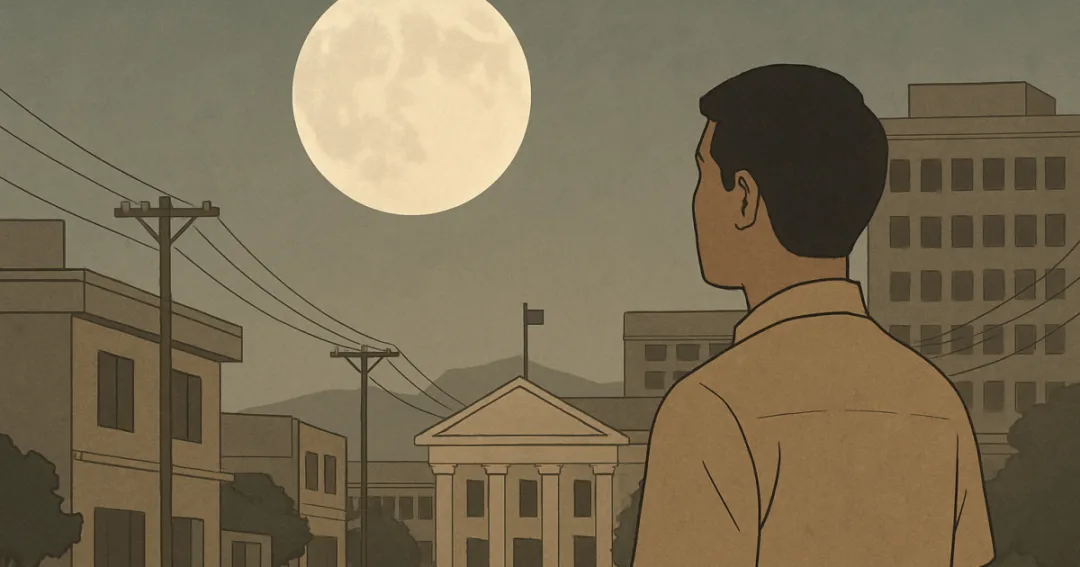
The full moon of May 2026 will rise, as it always does, without regard for human calendars, markets, or headlines. Yet each time the Moon reaches this phase, it quietly invites people to look up from the immediacy of their screens and routines. The event is predictable and astronomically ordinary, but socially and psychologically it still carries weight. Whether viewed from a city balcony or a rural field, the full moon has a way of reintroducing scale: our individual concerns, however pressing, are framed against a cyclical sky that has outlasted every crisis we call unprecedented.
Across cultures and centuries, the May full moon has been woven into religious observances, agricultural practices, and traditional calendars. In some regions, this period historically signaled a shift in planting cycles or seasonal festivals, aligning human activity with the rhythms of nature. Even in largely urban societies, remnants of these associations persist, from cultural events scheduled around lunar phases to tourism campaigns that highlight “moonrise experiences.” While many of the older rituals have faded or been secularized, the enduring attention given to a single, bright disc in the night sky suggests that people still seek continuity with something older than their current moment.
In recent years, full moons have increasingly been framed through the language of spectacle: “supermoons,” “injury moons,” and other branded labels circulate widely online. The May 2026 full moon will likely attract similar treatment, amplified by social media imagery and instant commentary. On one hand, this popularization can be seen as a democratization of astronomy, encouraging casual skywatching and curiosity. On the other hand, the emphasis on novelty risks reducing a profound, recurring phenomenon into just another fleeting trend, consumed and forgotten as quickly as a viral post.
Beyond aesthetics, the full moon also intersects with more practical domains. Its brightness affects night-time environments, influencing wildlife behavior, navigation, and even the planning of certain human activities. For institutions concerned with public safety, science education, or environmental stewardship, such predictable celestial events can serve as focal points for outreach and reflection. They offer a chance to talk about light pollution, climate awareness, and the importance of long-term observation—areas where patient, methodical attention is often overshadowed by short-term concerns. Used thoughtfully, the full moon can become a gateway to broader conversations about how societies relate to the natural world.
When the full moon of May 2026 appears, it will not solve any of the challenges confronting communities, nor will it confirm any superstition. Its value lies instead in the pause it offers: a regular, reliable reminder that not everything meaningful is urgent, and not everything urgent is meaningful. Choosing to notice it, even briefly, is a small act of perspective in an age of constant acceleration. As people step outside to look up, they may find that the most important effect of the full moon is not in the sky at all, but in the way it quietly reorients our sense of time, scale, and shared existence under the same light.