HOUSE IMPEACHES VICE PRESIDENT SARA DUTERTE
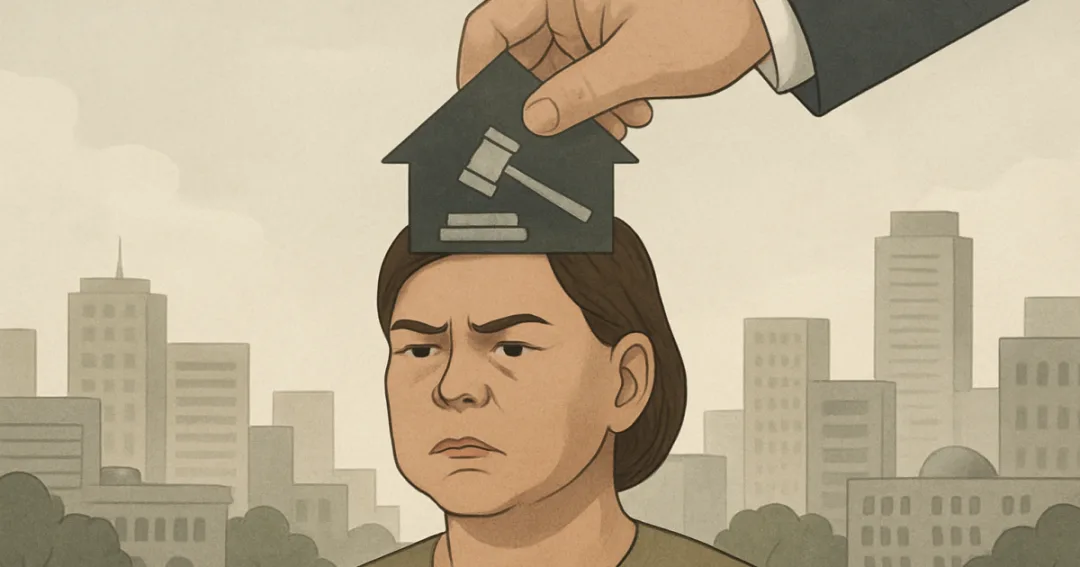
The move by the House of Representatives to impeach Vice President Sara Duterte marks a defining moment for Philippine democratic institutions. Impeachment is among the gravest constitutional remedies available, reserved for allegations that go beyond ordinary political disagreement. When directed at a sitting vice president, the process naturally heightens political tensions and raises questions about governance, accountability, and stability. It matters not only because of who is involved, but because it tests whether institutional mechanisms can function under intense partisan pressure. How this process unfolds will shape public perceptions of both the office of the vice president and the integrity of the country’s political system.
Historically, impeachment in the Philippines has been rare but highly consequential, often coinciding with periods of broader political strain. Previous attempts against high officials have tended to expose underlying fractures within ruling coalitions, civil society, and the bureaucracy. The current case fits into that pattern, revealing how alliances can shift rapidly when power, policy direction, and public sentiment intersect. It also underscores how personalities and political brands—particularly those associated with strong national followings—can influence the tone and trajectory of institutional proceedings. In this sense, the impeachment of a sitting vice president is not an isolated event, but part of a longer narrative about how the country manages political conflict.
At the heart of any impeachment is the tension between legal standards and political motivations. On paper, the process is designed to assess serious misconduct or breach of public trust, governed by constitutional rules and procedural safeguards. In practice, however, the line between principled accountability and partisan maneuvering can blur, especially when major figures and rival blocs are involved. The public is left to interpret whether the case reflects a genuine effort to uphold norms or a strategic move to weaken a political actor. Maintaining confidence in the process requires transparency, restraint in rhetoric, and visible adherence to due process, regardless of the personalities at stake.
The broader implications extend beyond the immediate fate of the vice president. An impeachment trial can consume legislative attention, slow policy initiatives, and deepen polarization among citizens who already view politics with skepticism. At the same time, it can also serve as a moment of civic education, reminding the public of constitutional checks and the responsibilities attached to high office. How media, civil society, and institutions frame the proceedings will influence whether the episode is seen as a sign of democratic decay or democratic resilience. The challenge is to ensure that scrutiny of the accused does not erode trust in the offices they occupy.
Ultimately, the impeachment of Vice President Sara Duterte will be remembered less for the passions of the moment than for the precedents it sets. If institutions manage to conduct the process with fairness, sobriety, and respect for constitutional limits, they may emerge stronger and more credible. If, however, it devolves into a spectacle of factional score-settling, it could deepen cynicism about politics and diminish the authority of future officeholders. For citizens, the task is to watch closely but think critically, resisting both uncritical loyalty and reflexive dismissal. For the political system, this is an opportunity to demonstrate that accountability and stability can coexist, and that even the most powerful officials remain answerable to the law.