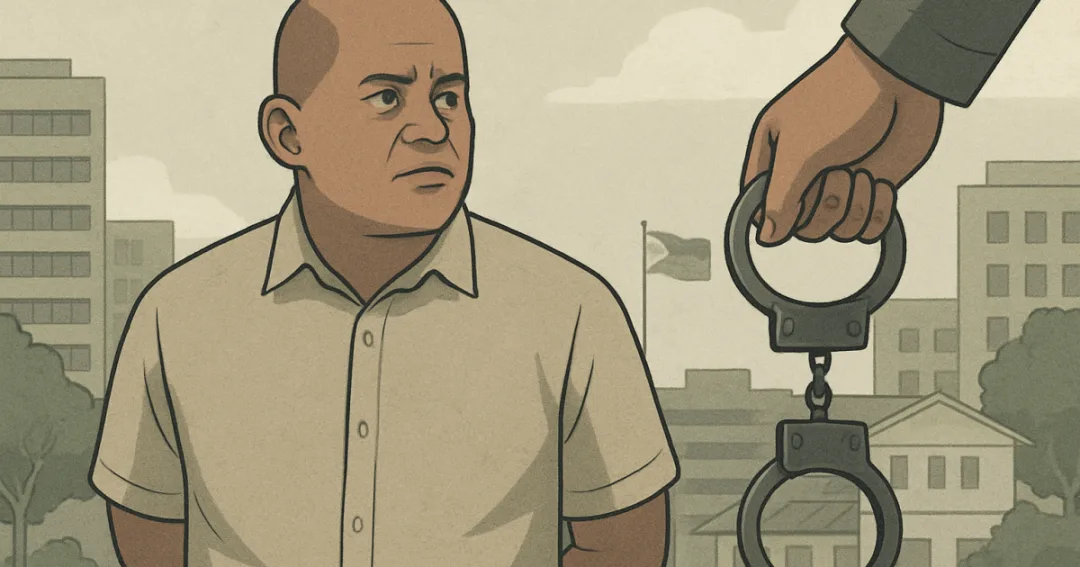
HOW DID TACLOBAN COURT SENTENCE FRENCHIE MAE CUMPIO, MARIELLE DOMEQUIL
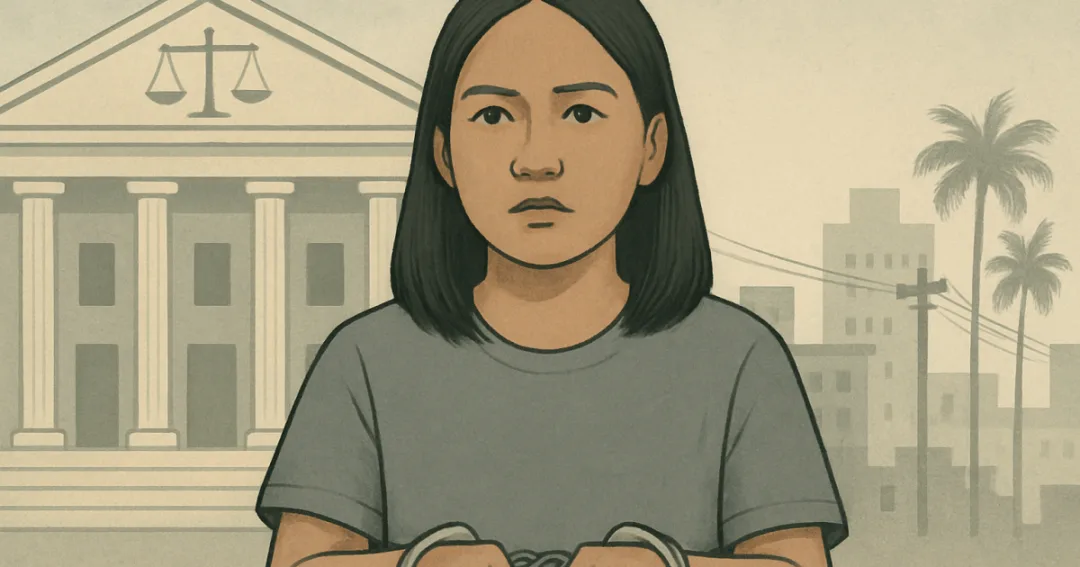
The recent conviction of community journalist Frenchie Mae Cumpio and church worker Marielle Domequil by a Tacloban court has drawn wide attention, not only because of who they are, but because of what the case symbolizes. At its core, the issue lies at the intersection of press freedom, human rights advocacy, and the state’s responsibility to uphold public order. When individuals involved in media and social work face serious criminal charges, the resulting verdicts inevitably resonate beyond the courtroom, shaping public perceptions of justice and accountability. For many observers, the key question is not only whether the court followed procedure, but also how such cases affect the climate for dissent, community organizing, and independent reporting.
Understanding the significance of this ruling requires situating it in a longer history of tension between security measures and civil liberties in the Philippines. For decades, journalists and rights advocates have operated in a space where legal risks, surveillance, and accusations of subversion are not uncommon. Courts have often been asked to weigh allegations of illegal activity against claims of political persecution or harassment. In this environment, each high-profile conviction involving activists or community media workers becomes part of a broader narrative about the boundaries of lawful dissent and the state’s power to prosecute. The Tacloban decision now joins that narrative, and will likely be cited in future debates about the handling of similar cases.
The public relevance of this case extends well beyond the individuals involved. For the media sector, it raises concerns about the practical conditions under which journalists, especially those working in marginalized or conflict-affected areas, can safely operate. For faith-based and community organizations, it prompts reflection on how humanitarian or advocacy work might be interpreted by authorities in highly securitized contexts. For the justice system, the ruling will be viewed as a test of its capacity to balance the state’s claims with the rights of defendants who assert that their work is legitimate and protected. These overlapping concerns make the Tacloban judgment a focal point for discussions about the rule of law and democratic space.
At the same time, it is important to recognize that the legal process does not end at the trial court level. Convictions can be appealed, evidence can be reviewed by higher courts, and procedural questions can be revisited. This layered system is designed, at least in principle, to correct errors and to refine the application of the law over time. How diligently these mechanisms are used, and how transparently they function, will influence whether the public views the outcome as credible and fair. The handling of any appeal, and the openness of institutions to scrutiny, will be crucial in either reinforcing or easing the concerns that have surfaced.
In the longer term, the case of Cumpio and Domequil should prompt a sober reassessment of how the country treats those who document, criticize, or seek to reform social conditions. A healthy democracy requires both security and space for critical voices; sacrificing one entirely in the name of the other risks weakening the system as a whole. Policymakers, judicial authorities, and civil society all have a role in ensuring that laws meant to protect the public are not perceived as tools to silence it. Whatever the final legal outcome, the questions raised by this conviction will endure, challenging institutions to demonstrate that justice can be firm without being repressive, and that the pursuit of order need not come at the expense of fundamental freedoms.