LANDSLIDES DESTROY NATIONAL ROAD IN REMOTE COAL-RICH SOUTH COTABATO VILLAGE
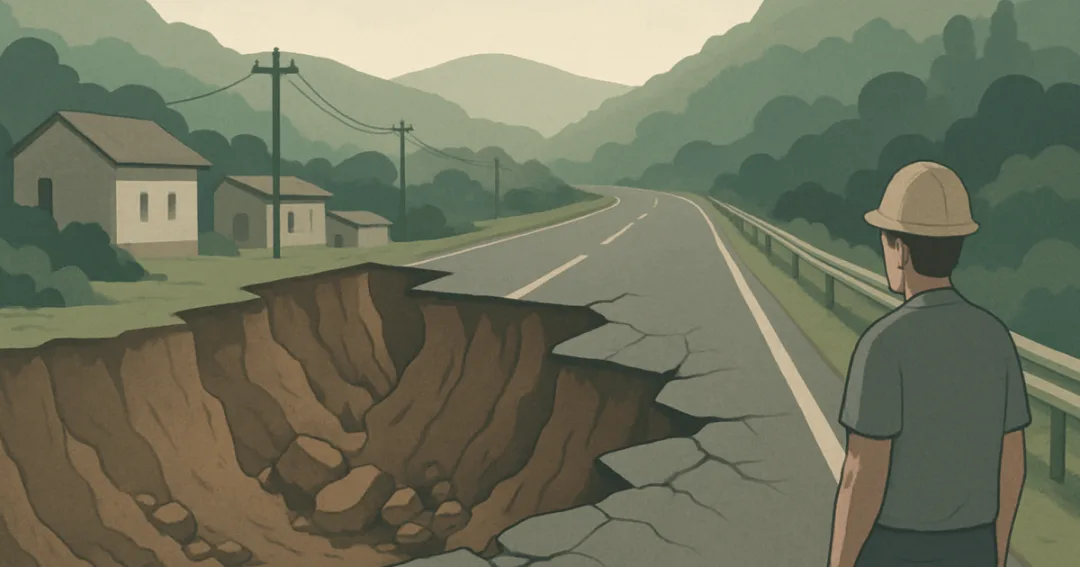
Landslides that have rendered a national road impassable in a remote, coal‑rich village in South Cotabato are more than just a local inconvenience. They cut off communities from markets, schools, and health services, and they expose how fragile the country’s infrastructure can be when confronted with the combined pressures of geography, climate, and resource extraction. When a single artery links hinterland communities to town centers, its sudden loss can quickly translate into higher prices, delayed emergency response, and growing anxiety among residents. The incident underscores a persistent dilemma: how to pursue economic opportunities in resource‑rich uplands without undermining the very landscapes that sustain local livelihoods.
South Cotabato’s mountainous terrain and high rainfall have long made it susceptible to landslides, especially where slopes are disturbed by human activity. Across the country, similar patterns have emerged in mining and logging areas, where altered drainage, weakened soil structures, and denuded hillsides heighten the risk of slope failure. While it is not always possible to draw a direct line from any single activity to a particular landslide, the cumulative effect of road cuts, settlements, and extractive operations in steep terrain is widely recognized as a concern. In such settings, national roads are often built along the most precarious edges of mountainsides, trading short‑term connectivity for long‑term vulnerability.
The coal deposits that make this South Cotabato village strategically important also complicate the conversation about risk. On one hand, local and national actors see in these resources the potential for jobs, revenues, and energy security. On the other, residents live with the daily reality that heavy trucks, earthworks, and expanding access routes can alter the stability of slopes and waterways around them. The landslide‑damaged road thus becomes a symbol of a broader trade‑off: the tension between immediate economic gains and the slower, less visible erosion of environmental resilience. When infrastructure repeatedly fails, the perceived benefits of resource extraction are weighed against mounting social and ecological costs.
The public relevance of this incident lies in what it reveals about planning and preparedness. Roads in landslide‑prone areas demand more than routine maintenance; they require careful siting, proper drainage, slope stabilization, and regular geohazard assessments. Early warning systems, land‑use zoning, and strict enforcement of safety standards can reduce the likelihood that heavy rains or ground movement will translate into disaster. Institutions responsible for infrastructure, environment, and local governance need to work in closer coordination, so that road projects, mining activities, and community settlements are not planned in isolation from one another. When these processes are fragmented, hazards that are well understood in theory can still catch communities unprepared in practice.
In the long run, the landslides in this remote South Cotabato village invite a more sober reflection about how the country builds in high‑risk landscapes. As climate patterns grow more erratic, the old assumption that roads can simply be repaired after each slide will become increasingly costly and disruptive. A more resilient approach would treat geohazard information, environmental safeguards, and community input as non‑negotiable elements of infrastructure planning, especially in resource‑rich uplands. The national road that failed can still be rebuilt, perhaps even strengthened, but the deeper challenge is to ensure that connectivity, economic development, and environmental stability are pursued together rather than at each other’s expense.