LILAK: UPHELD WOMEN’S RIGHTS AT ALL TIMES, NO TO FORCED MARRIAGE
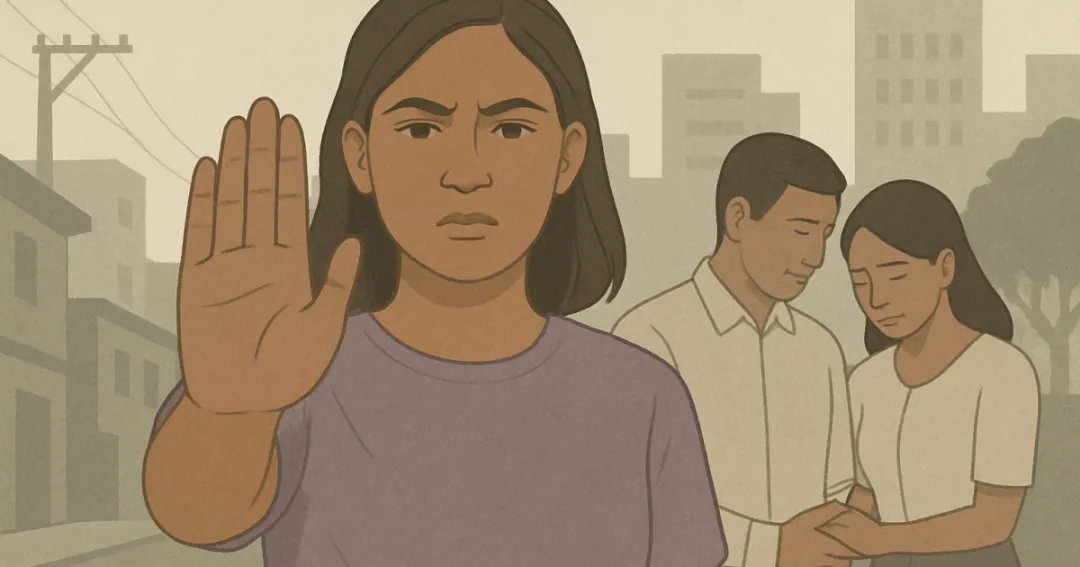
The slogan “Lilak: Upheld Women’s Rights At All Times, No To Forced Marriage” captures a principle that should be self-evident yet remains contested in many communities: the right of women and girls to choose if, when, and whom to marry. Forced marriage is not only a personal tragedy for those affected; it is a fundamental violation of human rights that undermines the fabric of any society that tolerates it. When marriage becomes a tool of control rather than a partnership of equals, it entraps women in cycles of dependence, abuse, and silence. This is why consistent advocacy, symbolized here by Lilak’s stance, is not a peripheral concern but a central test of a community’s commitment to dignity and justice. Any serious discussion of social progress must therefore place the rejection of forced marriage at its core.
Historically, forced and child marriages have been justified through appeals to tradition, economic necessity, and notions of family honor. In many contexts, girls are married off to settle disputes, consolidate alliances, or ease financial burdens, often with little regard for their consent or future prospects. These practices are frequently intertwined with broader patterns of gender inequality: limited access to education, restricted mobility, and expectations that women’s primary role is within the household. Over time, what began as specific customs can harden into unquestioned norms, making resistance difficult and even dangerous. Challenging forced marriage thus requires not only legal safeguards but also a careful engagement with cultural narratives that have long gone unexamined.
The consequences of forced marriage extend far beyond the individual couple. Women who are married against their will are more likely to leave school early, have limited economic opportunities, and face increased health risks, including from early pregnancies and potential domestic violence. These outcomes, in turn, affect entire communities: when half the population is constrained in this way, overall development, social cohesion, and innovation are stifled. Children raised in households shaped by coercion and inequality may internalize these patterns, perpetuating them into the next generation. Saying “no to forced marriage” is therefore not only a moral imperative but also a pragmatic strategy for building more resilient, stable societies.
Institutions have a crucial role in translating the principle of women’s rights into everyday reality. Laws that prohibit forced and underage marriage are necessary but insufficient if they are not enforced, or if affected women lack safe avenues to seek help. Education systems, health services, community organizations, and faith-based groups all shape attitudes about consent, autonomy, and gender roles. When these institutions send a consistent message that women’s rights must be upheld at all times, they help create an environment in which harmful practices lose their social legitimacy. Conversely, when they remain silent or ambivalent, they risk reinforcing the very inequalities they might otherwise help to dismantle.
Ultimately, the call embodied in Lilak’s stance is not only a demand to end one abusive practice, but an invitation to reimagine what a just and humane society looks like. Upholding women’s rights at all times means recognizing that autonomy is not a privilege granted by families or communities, but a fundamental entitlement of every person. It requires patience in dialogue, courage in confronting entrenched norms, and persistence in building systems that protect the vulnerable. Progress may be uneven and contested, yet each step that affirms consent, choice, and equality makes forced marriage less thinkable. In that sense, “no to forced marriage” is both