LIVE UPDATES: BAR EXAM RESULTS 2025
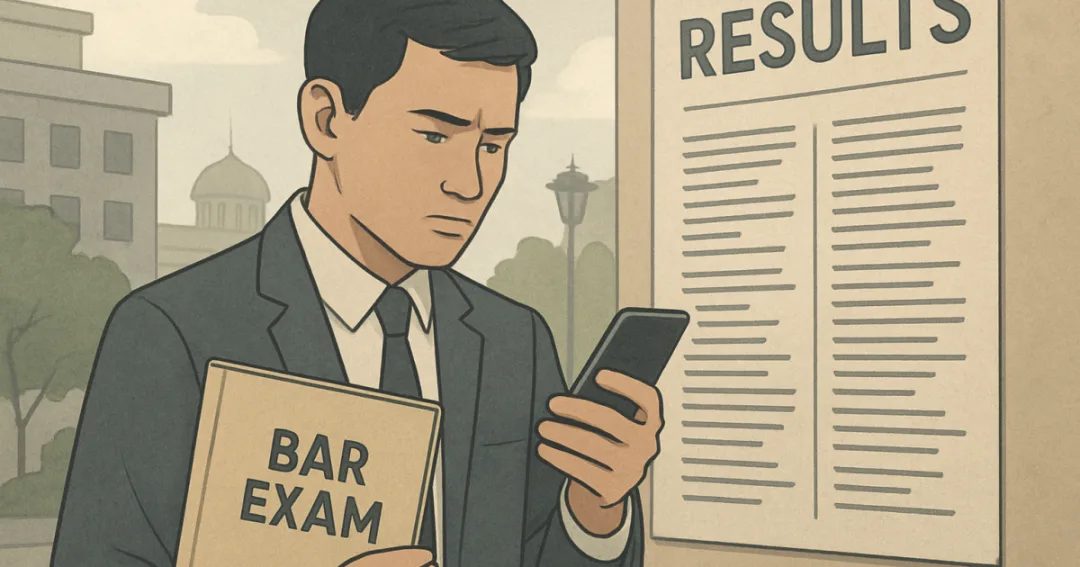
Each year, the release of bar exam results transforms from a routine announcement into a national moment of suspense, and the 2025 cycle is no exception. Live updates, whether through official channels or social media, turn what was once a private reckoning into a shared public spectacle. For thousands of examinees, the refresh button on a results page now feels like the final hurdle after years of education, financial sacrifice, and personal upheaval. Families, law schools, employers, and even local communities follow along, aware that these results will shape not only individual careers but also the composition of the legal profession for years to come. In this sense, bar results are not merely about passers and non-passers; they are a snapshot of how a society is replenishing one of its most critical institutions.
The heightened visibility of live updates reflects broader changes in how professional milestones are communicated in the digital age. In the past, results might have been posted on a bulletin board or released through printed lists, with reactions unfolding in relative privacy. Today, announcements are amplified instantly, with real-time commentary that can both humanize and pressure-test the process. This immediacy has advantages: it can increase transparency, reduce rumors, and allow institutions to clarify procedures as they unfold. Yet it also raises questions about how public a deeply personal success or setback should be, and whether the pace of online reaction leaves enough room for reflection and context.
At the institutional level, bar exam outcomes inevitably invite scrutiny of legal education and professional standards. When pass rates are perceived as high, some observers worry about whether the exam remains sufficiently rigorous; when they are low, attention turns to the accessibility of the profession and the adequacy of academic preparation. Law schools examine their curricula, support systems, and admissions policies, while bar authorities review exam design, grading frameworks, and candidate assistance programs. Debates over whether the bar exam tests practical competence, theoretical knowledge, or mere test-taking skill are unlikely to be settled by a single year’s results, but they are sharpened each time a new cohort confronts the gatekeeping mechanism. In this cyclical conversation, the 2025 results serve as another data point in a long-running discussion about what kind of lawyers a society wants and needs.
For the public, the significance of bar exam results lies less in the statistics and more in what they imply for access to justice. The number and distribution of new lawyers can influence how legal services are delivered, especially in underserved areas or in emerging fields of law. New entrants bring fresh perspectives on technology, rights, and governance, potentially reshaping how legal institutions respond to contemporary challenges. At the same time, the emotional toll on those who do not pass should not be minimized; their experience raises important questions about mental health, financial risk, and the fairness of concentrating so much consequence in a single examination. How institutions respond to these realities—through remedial programs, counseling, or reforms—will affect not only future pass rates but also public trust in the legal system.
As the 2025 bar exam results continue to unfold in live updates and personal stories, it is worth stepping back from the drama of the moment. Behind every name on a list is a complex journey, and behind every percentage point lies a set of policy choices about education, regulation, and professional identity. The challenge for institutions is to balance rigor with compassion, and for the wider public to appreciate that the quality of the legal profession is