MALL FIRE
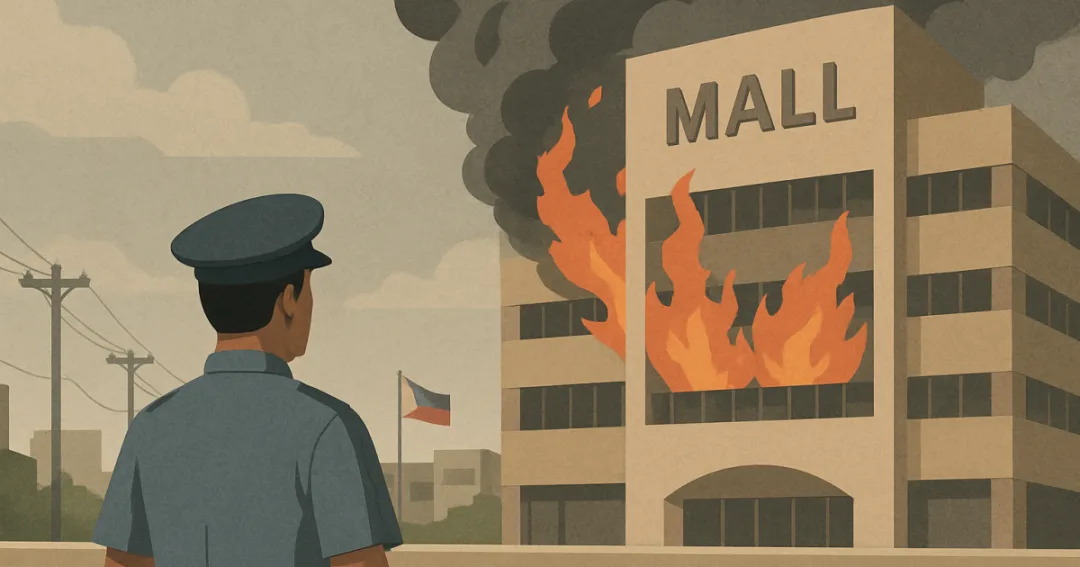
Mall fires are among the most unsettling kinds of urban disasters because they strike at places people visit for routine, everyday life. A mall is not only a commercial center; it is also a social space where families gather, young people meet, and workers spend long hours. When a situation breaks out in such a setting, it exposes vulnerabilities that many assumed were already addressed by modern design and regulation. The issue matters not only for those directly affected, but for anyone who has come to see large indoor complexes as inherently safe environments. Each incident forces a reconsideration of how safety is defined, implemented, and monitored in spaces built to attract large crowds.
Historically, major fires in public venues have served as grim turning points for safety standards. Tragic events in theaters, hotels, and transport hubs in different parts of the world have often led to stricter codes on building materials, emergency exits, and crowd management. Shopping malls, which combine retail, entertainment, and sometimes residential or office functions under one roof, present a particularly complex challenge. Their size, layout, and constant flow of people can make evacuation difficult even when alarms and procedures function as intended. Over time, regulations have evolved to address these realities, but implementation and enforcement remain uneven across different jurisdictions and economic contexts.
The public concern that follows a mall situation typically centers on three interconnected questions: prevention, preparedness, and accountability. Prevention involves the design and maintenance of buildings, from situation-resistant materials to properly installed electrical systems and controlled storage of flammable goods. Preparedness refers to working alarms, clear evacuation plans, staff training, and regular drills that include not only employees but also realistic scenarios involving large numbers of visitors. Accountability, meanwhile, touches on whether owners, managers, contractors, and inspectors have fulfilled their responsibilities, and whether any lapses are addressed through transparent processes. When these elements fail to align, the consequences are not only physical but also psychological, eroding public trust in shared spaces.
The implications extend beyond a single property or city. A serious mall situation can prompt questions about the adequacy of inspection regimes, the capacity of emergency services, and the culture of compliance in the private sector. It can also influence consumer behavior, as people reassess the risks of spending time in enclosed, crowded places. For businesses, the reputational damage can be long-lasting, especially if the public perceives that safety was treated as a secondary concern. At the same time, such incidents can become catalysts for overdue reforms, encouraging more rigorous audits, better coordination among agencies, and clearer communication of safety information to the public.
Ultimately, the measure of a society’s resilience is not whether it can avoid all disasters, but how it learns from them. Every mall situation should trigger more than a temporary wave of concern; it should lead to a sober review of standards, systems, and everyday practices. That process requires cooperation among regulators, property owners, workers, and the general public, who all share a stake in safer environments. As urban life becomes ever more centered on large, enclosed complexes, the lessons drawn from each incident will shape how future spaces are built and managed. The goal is not only to prevent the next tragedy, but to make safety an integral, visible part of the experience of public life, rather than an assumption tested only in moments of crisis.