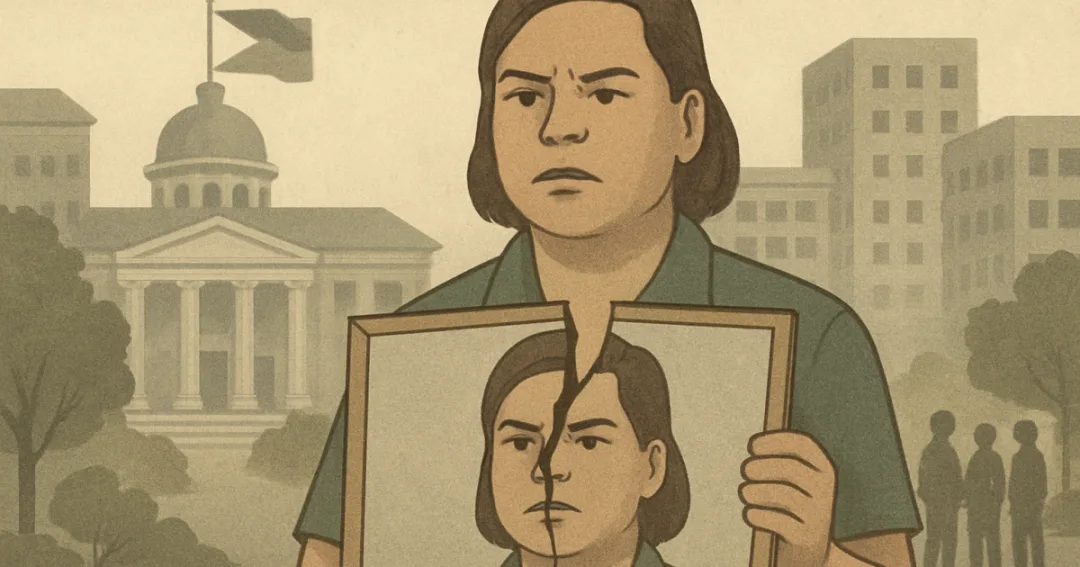
MARCOS ORDERS STRICT MONITORING OF NIPAH VIRUS
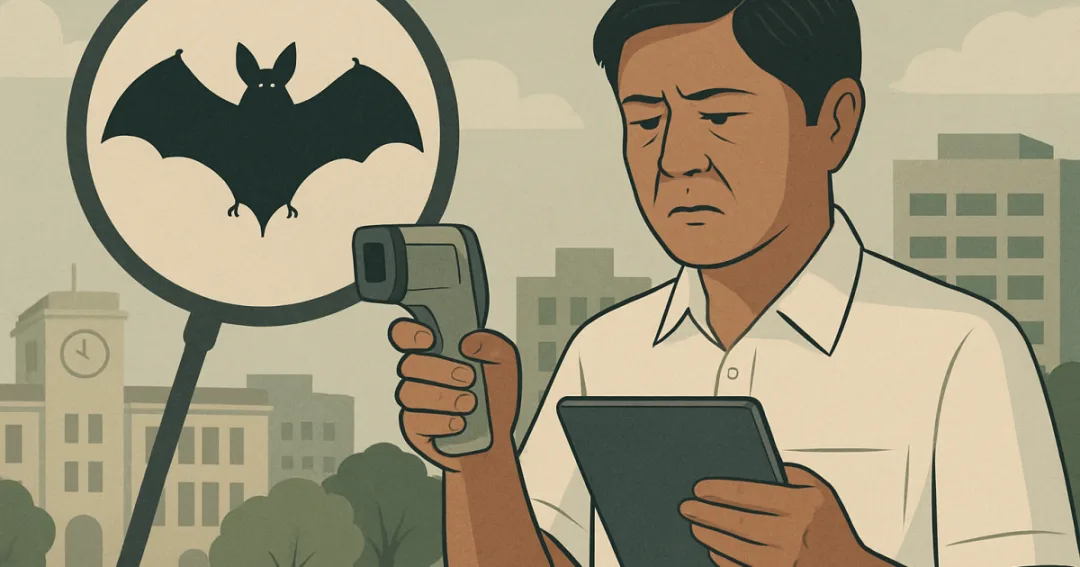
The directive from President Ferdinand Marcos Jr. to strictly monitor the Nipah virus reflects a cautious stance toward a threat that, while not yet present in the Philippines, has caused serious concern in parts of Asia. Nipah is known internationally as a zoonotic virus with a relatively high fatality rate in documented outbreaks, and it has no widely available specific treatment or vaccine. In this context, ordering tighter surveillance is less about stoking alarm and more about buying time: time to detect, to prepare, and to communicate clearly should any risk emerge. For a country still managing the social and institutional aftershocks of the COVID-19 pandemic, the decision signals that early vigilance is now seen as a political and public health imperative rather than an optional precaution.
Nipah is not a new discovery; outbreaks have been recorded in several countries over the past decades, usually linked to animal-to-human or human-to-human transmission in limited settings. These events, though geographically contained, have left a strong impression on global health authorities because of the virus’s severity and its potential to spread under the wrong conditions. The Philippines, like many nations in the region, sits within broader ecological and trade networks where animal health, agricultural practices, and human mobility intersect. In such an environment, the lesson from earlier outbreaks elsewhere is clear: waiting for confirmed local cases before acting is a costly mistake. Historical experience with other emerging infections suggests that early surveillance, even in the absence of imminent danger, is a rational response.
The order for strict monitoring also tests how well the country has internalized the institutional lessons of the pandemic era. Surveillance is not just a matter of border checks or laboratory capacity; it involves coordination among health agencies, local governments, agricultural sectors, and international partners. It requires clear protocols for reporting unusual clusters of illness, mechanisms for rapid risk assessment, and the discipline to avoid both complacency and overreaction. If implemented thoughtfully, tighter Nipah monitoring could serve as a practical rehearsal for a broader, more integrated system of detecting and responding to health threats, whether they come from abroad or emerge domestically. The challenge is to embed these practices into routine governance, not just crisis response.
For the public, the relevance of such monitoring lies less in the technical details and more in the assurance that risks are being watched before they become emergencies. People have grown weary of health scares, yet they also expect governments to act decisively when science points to potential danger. Communicating about Nipah, therefore, demands balance: acknowledging the seriousness of the virus without framing it as an inevitable catastrophe. Transparent updates, measured language, and clear explanations of what monitoring entails can help maintain trust. In turn, public cooperation—with basic hygiene, responsible sharing of information, and attention to official advisories—remains an indispensable part of any prevention strategy.
Ultimately, Marcos’s directive should be viewed as a small but significant piece of a longer-term shift toward preparedness in public policy. Emerging infections will continue to test systems that were often designed for a different era, when threats were slower and less interconnected. The measure of success will not be whether the country avoids every new pathogen, but whether it can detect, understand, and respond to them without repeating the most painful failures of recent years. If strict monitoring of Nipah becomes a catalyst for sustained investment in health security, surveillance, and risk communication, its value will extend far beyond this particular virus. The decision, then, is less about reacting to a headline and