MAYA HAWKE
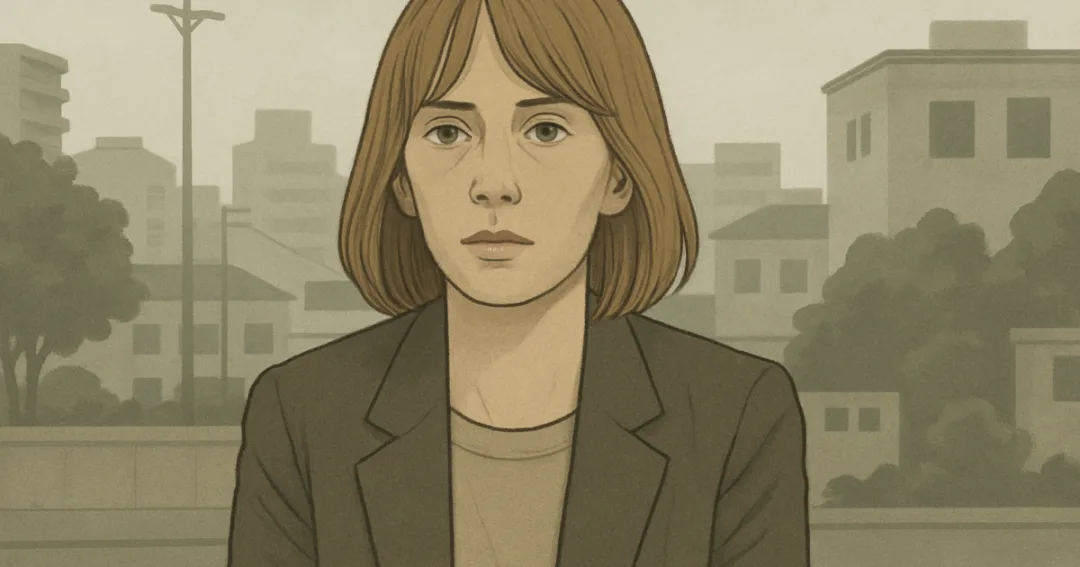
Maya Hawke occupies a curious and revealing place in contemporary culture: at once a product of Hollywood legacy and an emblem of a younger generation’s ambivalence about fame. Known to many viewers through a high-profile streaming series and a series of independent-leaning film roles, she has also built a parallel identity as a musician and writer of introspective songs. Her visibility invites a familiar question about so-called “nepo babies,” yet her career trajectory suggests that the conversation is broader than simple accusations of privilege. In Hawke’s case, the public is watching not only how a young artist uses inherited access, but also how she navigates the pressure to define herself beyond it. That tension makes her a useful lens through which to examine what authenticity looks like in an industry increasingly shaped by algorithms, nostalgia, and celebrity lineage.
The idea of generational continuity in entertainment is hardly new; film and music have long been populated by the children of established figures. What is different today is the level of scrutiny, intensified by social media and a more vocal audience that questions who gets opportunities and why. Hawke stepped into the spotlight at a time when public patience for unexamined privilege is thin, and when younger viewers are particularly alert to issues of fairness and access. Yet it is also a moment when audiences are drawn to narratives of self-discovery and vulnerability, themes that recur in her music and interviews. This intersection of suspicion and sympathy has shaped the way her work is received, making her career a small but telling case study in how cultural capital is negotiated in real time.
Beyond questions of background, Hawke’s artistic choices reveal a preference for roles and projects that lean toward the offbeat rather than purely commercial. Her filmography includes characters who are awkward, morally ambiguous, or emotionally guarded, rather than conventionally glamorous leads. In music, she gravitates toward a subdued, literary style that sits closer to folk and indie traditions than to the dominant pop sound. These decisions do not erase the advantages she has enjoyed, but they do suggest an effort to build a distinct aesthetic rather than simply inherit one. For observers, the point is less to praise or condemn and more to note how a young artist experiments with form and persona under a very bright light.
The public relevance of Hawke’s trajectory lies in what it reveals about changing expectations of cultural figures. Younger audiences often demand a degree of transparency from artists, expecting them to acknowledge privilege and to show some self-awareness about the systems that elevate them. At the same time, there remains a desire to judge work on its own merits, without reducing every performance to a family tree. Hawke’s reception illustrates this tension: she is both critiqued as a symbol of structural inequality and evaluated as an individual actor, singer, and writer. The broader implication is that cultural criticism today operates on two levels at once—systemic and personal—and public figures must learn to inhabit that double frame.
Looking ahead, the significance of Maya Hawke may not rest on whether she becomes a dominant star, but on how she continues to negotiate the balance between inheritance and individuality. Her generation of artists is emerging in an era when visibility is abundant but trust is scarce, and when sincerity can be both a genuine impulse and a carefully managed brand. If Hawke can keep expanding her range while remaining candid about the circumstances that enabled her, she may help model a more honest way for legacy artists to engage with their audiences. Even if