MOTORISTS RUSH TO FILL UP ON LAST DAY OF CAPPED FUEL PRICES
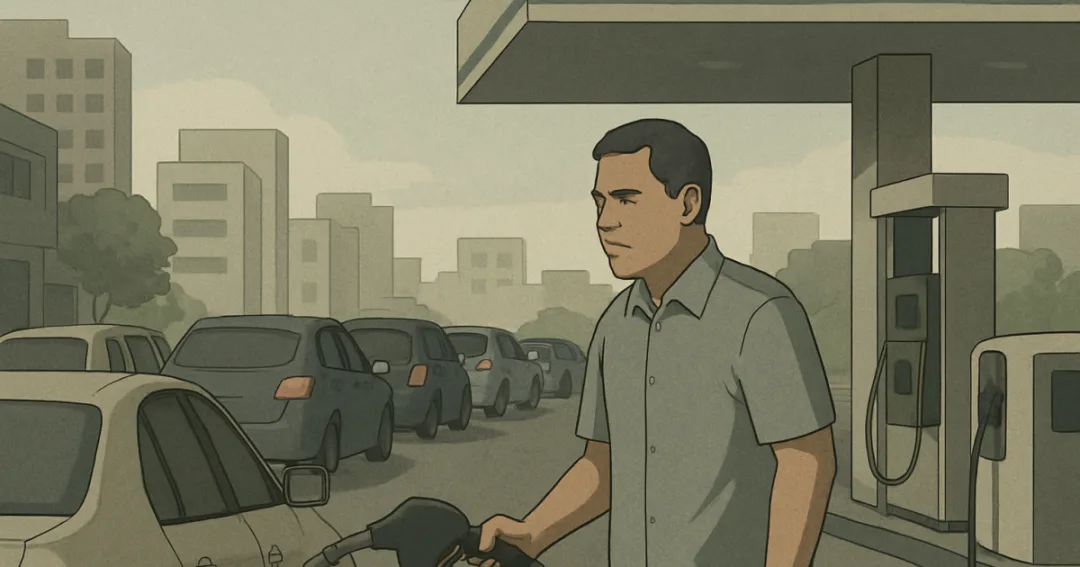
Long lines of vehicles queuing at fuel stations on the last day of capped prices have become a familiar scene in many cities. The rush is understandable: motorists are responding rationally to a clear incentive to save on a cost that affects daily life, business operations, and household budgets. Yet these scenes also reveal how deeply fuel pricing is woven into broader questions of economic security and public trust. When drivers feel compelled to rearrange their schedules, endure long waits, and crowd limited spaces for a temporary discount, it highlights not only the importance of fuel but also the anxiety surrounding its future cost. The issue matters because it touches almost every aspect of modern mobility and, by extension, the cost of living.
Fuel price caps, whether temporary or long-term, are usually introduced as a protective measure during periods of volatility. They can soften the immediate shock of global price swings, giving households and businesses time to adjust. Over time, however, they can also create expectations that are difficult to unwind without public frustration or confusion. When the end of a price cap is announced, the resulting rush to fill up reflects both economic calculation and uncertainty about what comes next. Historically, any visible change in fuel pricing—upward or downward—has tended to draw a quick and emotional response, precisely because fuel costs are so visible and frequently updated in public spaces.
The last-day rush also exposes the limits of short-term relief measures. While motorists may save a modest amount by filling up before prices are adjusted, the underlying issues of affordability, wage growth, and transport alternatives remain. For many families, fuel is not a discretionary expense but a non-negotiable cost tied to work, school, and essential errands. Businesses that depend on logistics and transport face similar constraints, with fuel prices feeding into the prices of goods and services. The queues, then, are less about opportunism and more about people trying to maintain control over a budget that feels increasingly tight.
From a policy and institutional perspective, the way these transitions are communicated and managed is crucial. Clear timelines, transparent explanations, and consistent messaging can reduce the sense of panic that sometimes accompanies the end of a subsidy or cap. When people understand why a measure is temporary, how long it will last, and what might follow, they are better able to plan rather than react at the last minute. Institutions responsible for energy policy, consumer protection, and competition oversight all have roles in shaping that environment of predictability. In addition, encouraging more efficient fuel use and supporting viable alternatives—such as public transport and cleaner technologies—can gradually reduce the pressure that price changes exert on daily life.
The sight of motorists rushing to fill up on the final day of capped fuel prices should therefore be read as more than a fleeting news image. It is a reminder that energy policy is not an abstract exercise but a lived experience at the pump, on the road, and in household ledgers. As fuel markets continue to face global uncertainties, the challenge for decision-makers is to balance short-term cushioning with long-term resilience. For the public, the episode underscores the value of planning, diversification of transport choices where possible, and engagement with policy debates that shape these recurring moments. Ultimately, the goal should be a fuel pricing environment that is not only fair and transparent, but also predictable enough that queues of anxious motorists become the exception rather than the norm.