P&G: NO MORE PAMPERS, TIDE, WHISPER IN PHILIPPINES
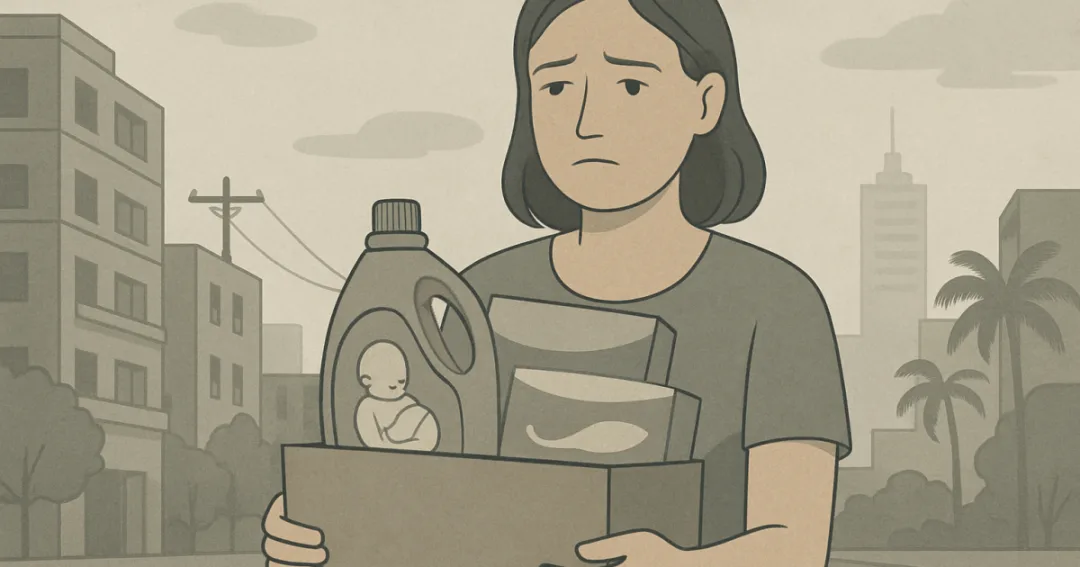
The announcement that a major consumer goods multinational will stop selling key brands such as Pampers, Tide, and Whisper in the Philippines has landed with unusual force, precisely because these products are woven into daily life. For many households, these are not luxury labels but default choices for diapers, detergents, and sanitary products. When such familiar names suddenly disappear from shelves, it feels less like an abstract corporate decision and more like a disruption of routine. The development raises questions about how dependent consumers and retailers have become on a small set of global brands, and what happens when that dependence is tested.
This move also highlights the complex calculus behind multinational operations in emerging markets. Decisions to exit or scale back are rarely about a single factor; they tend to reflect a mix of profitability assessments, cost pressures, competition, and strategic refocusing. For decades, global consumer companies have treated Southeast Asia as a growth frontier, investing heavily in marketing and distribution. Yet as markets mature, local competitors strengthen, and economic conditions shift, those same companies reassess where their capital and attention should go. The Philippines is now experiencing what it means to be on the losing end of that reassessment.
For Filipino consumers, the immediate concern is practical: availability, affordability, and quality of alternatives. Store shelves will not remain empty; other multinational and local brands will move quickly to occupy the vacated space. In some cases, this may spur greater visibility for domestic manufacturers and private-label products, potentially increasing competition and choice. However, brand loyalty built over years does not vanish overnight, and there can be a period of adjustment as households experiment with substitutes. The transition will be felt most acutely by lower- and middle-income families who have calibrated their budgets and routines around specific products and pack sizes.
Retailers and distributors, especially smaller ones, face a different kind of adjustment. Their inventory planning, promotional strategies, and relationships with suppliers will need to adapt to a new brand landscape. For some, the exit of a dominant player could be an opportunity to diversify offerings and negotiate better terms with alternative suppliers. For others, especially those in less urbanized areas, the shift may mean temporary supply gaps, logistical complications, or thinner margins. The episode underscores how decisions made in distant corporate headquarters ripple through local supply chains, affecting livelihoods as well as shopping baskets.
Looking ahead, the withdrawal of these well-known brands may serve as a reminder of the importance of resilience and diversification in consumer markets. It invites policymakers, businesses, and consumers to reflect on how to balance the benefits of global integration with the need for strong local industries and adaptable supply systems. It may also encourage more critical scrutiny of how dependent everyday life has become on a narrow set of multinational providers. Ultimately, the disappearance of familiar logos from supermarket aisles is not just a story about corporate strategy; it is a prompt to consider how societies can better prepare for abrupt shifts in the global marketplace.