PCG RECEIVES 15 SURVIVORS OF CAPSIZED SHIP NEAR SCARBOROUGH
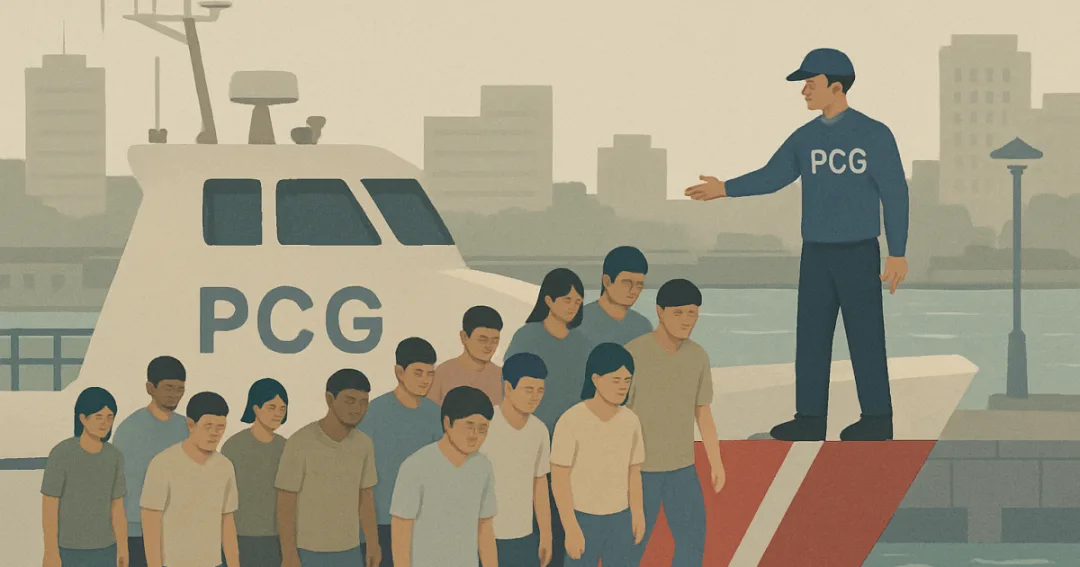
The report that the Philippine Coast Guard has received 15 survivors from a capsized vessel near Scarborough Shoal is a reminder that behind every maritime incident are human lives, not just coordinates on a map. Initial accounts suggest a familiar pattern at sea: a vessel in distress, a frantic response, and a race against time in unpredictable waters. Even when loss of life is limited or avoided, such events expose the vulnerability of those who depend on the sea for livelihood, transport, and trade. They also highlight the quiet, routine heroism of maritime responders whose work rarely makes headlines unless tragedy strikes. For a country deeply tied to the ocean, these incidents are not isolated accidents but part of a recurring national concern.
Scarborough Shoal is not just any point on the nautical chart; it sits within a highly sensitive and contested maritime zone. This area has been at the center of diplomatic tensions, legal disputes, and competing security narratives for years. In such an environment, even a straightforward rescue operation can acquire layers of geopolitical meaning, whether intended or not. Yet at the most basic level, maritime distress should transcend rivalries and boundaries, with the safety of individuals taking precedence over political signaling. The recent rescue underscores that, despite broader tensions, there remains a shared human obligation at sea: to respond when lives are at risk.
The incident also underscores structural realities of maritime safety in and around the West Philippine Sea. Many vessels that traverse these waters—whether for fishing, transport, or other purposes—operate in challenging conditions, with limited redundancy in equipment and sometimes constrained access to maintenance or training. Weather patterns, shifting sea states, and the sheer distances involved all compound the risks for smaller boats. In such a context, even minor technical failures or misjudgments can swiftly escalate into life-threatening emergencies. Strengthening a culture of safety at sea, from vessel standards to basic emergency preparedness, is therefore not a luxury but a necessity.
Institutionally, the response demonstrates the continuing importance of coordinated maritime governance. Coast guard units, naval forces, local authorities, and regional partners all have roles in search-and-rescue, information sharing, and post-incident support. Effective systems rely not only on vessels and equipment but also on clear procedures, regular drills, and trust among agencies. When survivors are safely brought to shore, it is often the visible culmination of many unseen processes working as intended. Periodic review of these mechanisms, informed by each new incident, can help ensure that lessons are captured and not lost in the next news cycle.
Looking ahead, the capsizing near Scarborough should be treated not as an isolated misfortune but as a prompt for sustained reflection. As maritime activity continues to expand, the pressures on both people and institutions at sea will only grow. Ensuring that all actors—state, commercial, and local—adhere to safety norms and humanitarian obligations will be crucial in preventing future tragedies. At the same time, de-escalating tensions and improving communication channels in contested waters can create a safer environment for everyone who must navigate them. If the rescue of these 15 survivors leads to renewed commitment to maritime safety and cooperation, then an incident born of danger may yet yield a measure of public good.