PHILIPPINES TIGHTENS AIRPORT HEALTH CHECKS AMID NIPAH VIRUS OUTBREAK IN INDIA
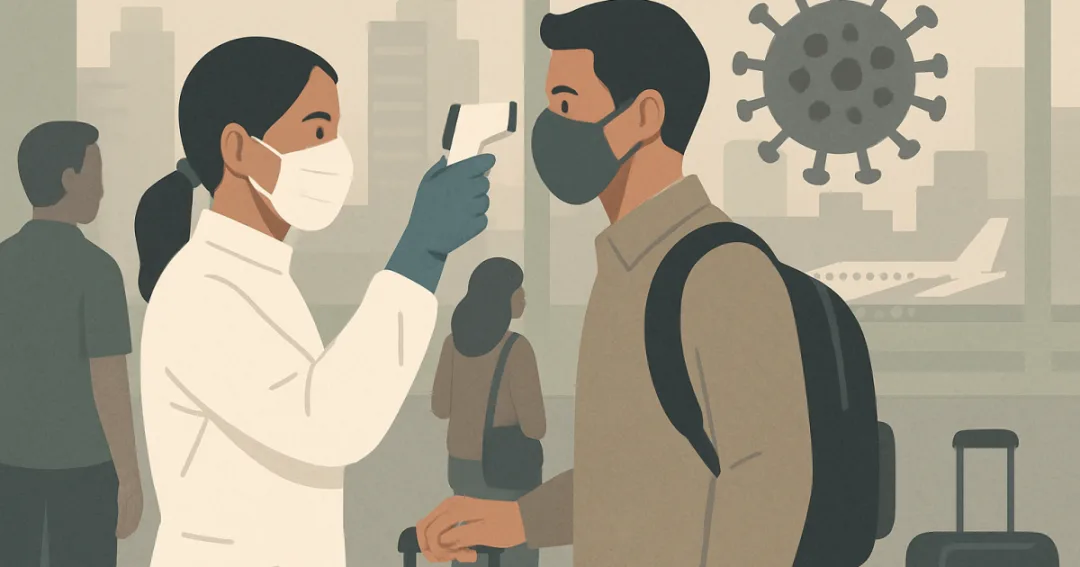
The decision by Philippine authorities to tighten airport health checks in response to a Nipah virus outbreak in India reflects a cautious, prevention‑first approach shaped by recent global experience with infectious disease. While there is no indication of a crisis within Philippine borders, the move underscores how quickly health events in one country can become a concern for others in an interconnected travel network. Airports have long been the front line of biosecurity, and measures such as health screening, information campaigns for travelers, and closer monitoring of arrivals from affected areas are now familiar tools. These steps are not a guarantee that a virus will be kept out, but they can slow potential spread and buy time for public health systems to respond.
Nipah virus, though relatively rare compared with other infectious diseases, is taken seriously because of its high fatality rate and its capacity to move from animals to humans and, in some circumstances, between people. It has appeared periodically in parts of South and Southeast Asia over the past decades, often linked to specific environmental and agricultural conditions. This history has taught health authorities that early detection and strict infection‑control protocols are essential, particularly in healthcare settings where secondary transmission can occur. The Philippines, like many countries in the region, is therefore reacting not only to the present situation in India but also to a broader historical pattern that warns against complacency.
The current tightening of airport checks also reflects lessons drawn from the COVID‑19 pandemic and earlier outbreaks such as SARS. Countries learned, sometimes painfully, that delayed responses and fragmented coordination can magnify both health and economic damage. Enhanced screening, clearer communication to passengers, and preparedness drills may seem disruptive, but they are less costly than a full‑blown outbreak. At the same time, authorities must balance vigilance with practicality, ensuring that measures are evidence‑based, proportionate, and regularly reviewed as new information emerges.
For the public, the relevance of these steps goes beyond the immediate concern about Nipah virus. Visible health checks at airports can reassure travelers that risks are being taken seriously, yet they should not foster false confidence that border controls alone can manage infectious threats. Effective preparedness depends on a wider system: capable laboratories, trained healthcare workers, clear reporting channels, and public trust in health advisories. In this sense, airport measures are both a technical barrier and a symbolic signal that broader systems of surveillance and response must remain robust and well‑resourced.
Looking ahead, the Philippines’ response sits within a regional and global conversation about how to coexist with recurrent and emerging infectious diseases. No country can insulate itself entirely, but each can strengthen its capacity to detect, contain, and communicate about health threats that originate elsewhere. Continued cooperation with international health bodies, transparent sharing of information, and investment in domestic public health infrastructure will matter more than any single episode at the border. The current Nipah‑related precautions may pass quietly if no cases appear, but the habits of preparedness they reinforce will be tested again. Building and maintaining those habits, rather than reacting only in moments of alarm, is the more enduring challenge.