PHOTOS
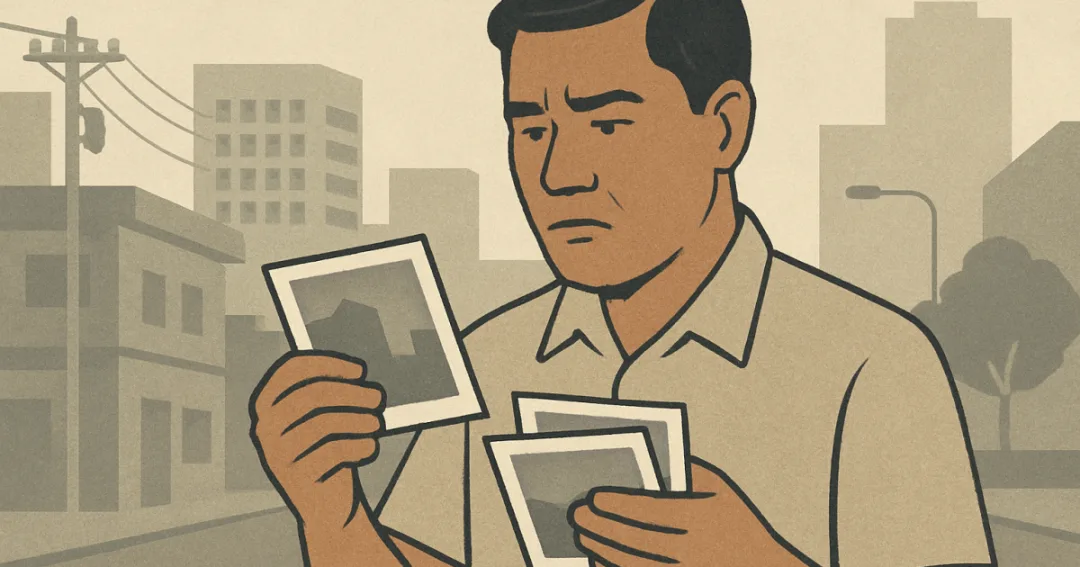
Photographs have become so woven into daily life that they rarely invite reflection. People take pictures of meals, meetings, milestones and even mundane commutes, often without pausing to ask what these images will mean later. Yet photos do more than record a moment; they frame how that moment is remembered and, in many cases, how it is shared and judged by others. The issue is not simply that we take many pictures, but that photos now mediate much of our experience of reality. Understanding this shift matters because it influences personal identity, collective memory and the way societies understand themselves.
Historically, photography was a deliberate act. Film was limited, equipment was costly and each frame required intention. Families posed for formal portraits, communities documented rare events and news photographs arrived slowly, often through curated channels. The scarcity of images gave them a certain weight, and the gap between taking and seeing a photo created space for anticipation and reflection. Today, digital cameras and mobile phones have reversed these conditions: images are instant, abundant and easily altered, changing the relationship between the photographer, the subject and the viewer.
This transformation has significant implications for memory. On one hand, photos can preserve details that might otherwise fade, allowing people to revisit faces, places and emotions long after the moment has passed. On the other hand, the constant urge to document can interfere with fully inhabiting an experience, as attention shifts from being present to producing a shareable image. Over time, individuals may remember an event less as they lived it and more as it appears in a carefully selected or edited photograph. In this way, images do not simply capture memories; they help construct them, sometimes at the expense of nuance and context.
The public relevance of photos extends beyond the personal sphere. Images shape perceptions of current events, humanitarian crises, social movements and cultural trends. A single photograph, circulated widely, can influence public opinion or become a symbol of a broader issue, even when viewers know little about the circumstances around it. At the same time, the ease of editing and the speed of online sharing make it harder to distinguish between authentic documentation and manipulated imagery. This places a quiet but real responsibility on institutions, platforms and audiences to cultivate habits of verification, context-checking and visual literacy.
None of this suggests that people should turn away from photography. Photos remain powerful tools for storytelling, connection and creativity, and they can give voice to individuals and communities that were once invisible. The challenge is to use them with a degree of mindfulness: to ask when a moment should be lived rather than captured, when an image should be shared, and how it might be interpreted by others. As technology continues to evolve, the conversation around photos will likely deepen, touching on ethics, privacy and authenticity. A more thoughtful approach to images—both the ones we take and the ones we consume—may help ensure that photos illuminate reality rather than quietly distorting it.