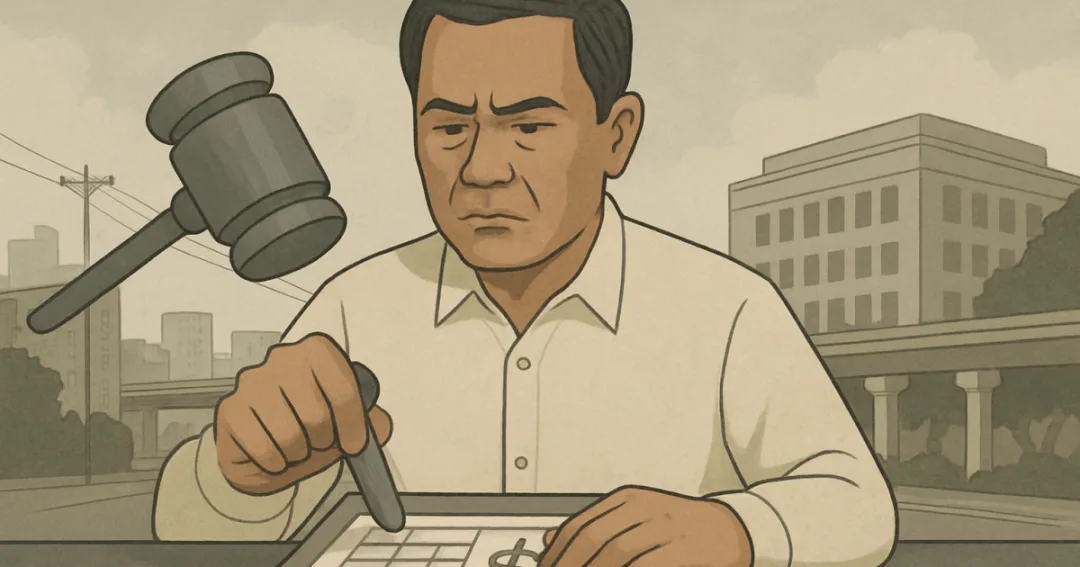
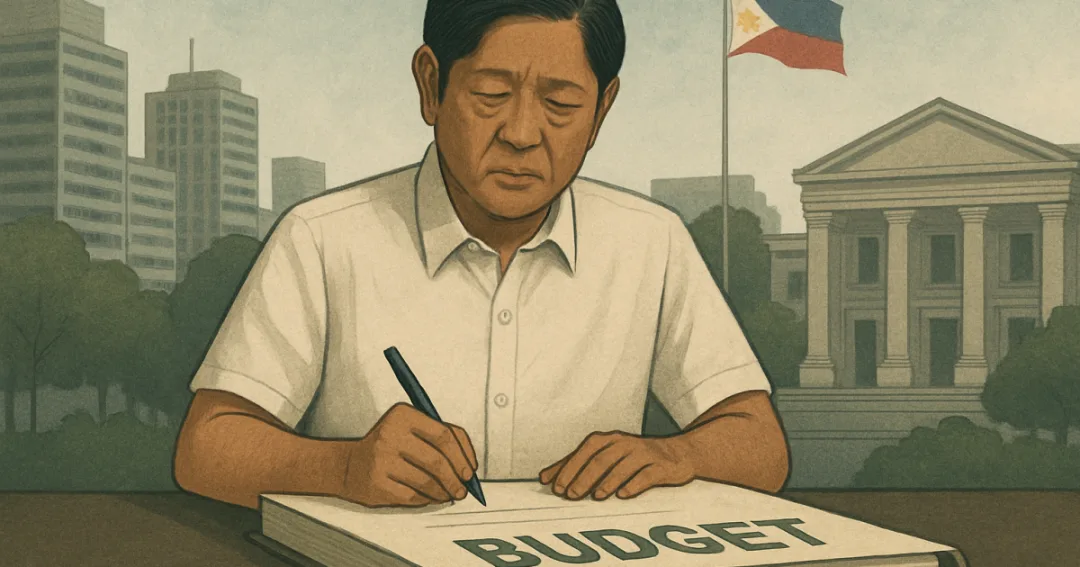
TAUSUG IN DOHA | CONTAINING THE FIRE
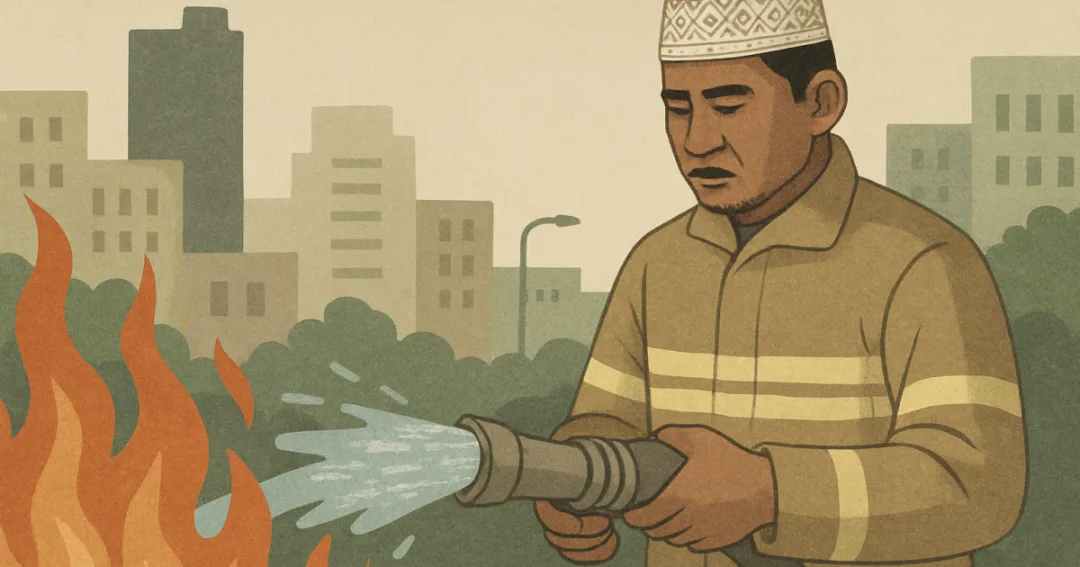
The image of Tausug workers and families in Doha sits at the intersection of several powerful currents: migration, identity, and the quiet resilience of a people long acquainted with conflict and displacement. In the Gulf, Tausug migrants join the wider Filipino diaspora in search of livelihood, safety, and a measure of dignity that has often been elusive in their home region. Yet they also carry with them a history shaped by resistance, marginalization, and communal pride, a combination that can be both a source of strength and a potential spark for tension if misunderstood. To speak of “containing the situation” is not to extinguish that spirit, but to recognize that unaddressed grievances and unmanaged expectations can ignite in unfamiliar terrain. Doha, with its strict regulations and multicultural workforce, becomes a testing ground for how such communities are received, integrated, and protected.
Historically, the Tausug have been associated with a proud martial tradition and a strong sense of honor, traits forged in centuries of contest over land, faith, and autonomy. These qualities do not vanish when a Tausug worker boards a plane to the Gulf; they travel with the person, reshaped by the demands of contract work, crowded housing, and rigid labor hierarchies. In a setting like Doha, where rules are tight and social space is carefully controlled, that inner situation can manifest as quiet perseverance, but also as sensitivity to disrespect, discrimination, or broken promises. When communities that have long felt misunderstood encounter new systems that are opaque or impersonal, small disputes can be perceived as larger affronts. This is why a nuanced understanding of cultural background matters even in seemingly routine labor and community affairs.
The responsibility for containing potential flashpoints does not rest solely on the shoulders of the Tausug diaspora. Institutions that manage labor migration, welfare services, and community engagement—whether in the country of origin or destination—play a decisive role in shaping outcomes. When support is limited to paperwork and remittances, deeper issues of identity, mental health, and communal cohesion are left unattended. In contrast, when channels for dialogue, mediation, and cultural orientation are accessible, the same strong sense of honor can be harnessed as a stabilizing force rather than a risk factor. The aim is not to single out one group as inherently volatile, but to recognize that communities with a history of conflict require more, not less, deliberate engagement.
For the broader public, the story of Tausug in Doha is a reminder that labor migration is never just an economic transaction. Every worker carries a complex social history into a compressed, high-pressure environment where misunderstandings can have outsized consequences. Stereotypes—whether romanticized or negative—do little to help; they simplify people into caricatures and obscure the structural conditions that actually drive tension. A more constructive approach acknowledges that cultural pride and a heightened sense of dignity can coexist with vulnerability to exploitation and exclusion. Containing the situation, in this sense, means creating conditions where grievances can be aired safely, rights can be asserted lawfully, and dignity can be affirmed without resort to confrontation.
Looking ahead, the presence of Tausug communities in Doha and similar hubs will likely grow as economic necessity continues to push people outward. The challenge for all involved is to shift from reactive crisis management to proactive, culturally informed support. That involves listening carefully to what migrant communities say about their needs, and reading just as carefully what their histories imply about how they respond to stress and injustice. If