THREATS WITHIN: FILIPINO SPIES IN DENIAL
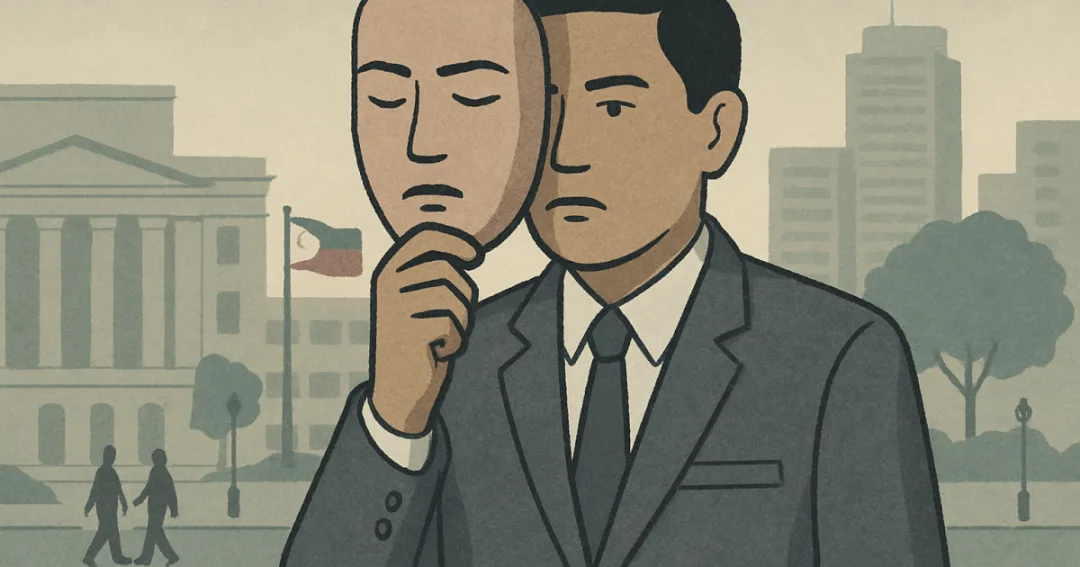
The phrase “Filipino spies” often evokes images borrowed from films and novels, not from everyday national life. Yet the idea that citizens may secretly serve the interests of foreign powers is not a fictional concern. In a region marked by strategic competition, information has become as valuable as territory, and the Philippines sits at a crossroads of maritime routes, security alliances and economic dependencies. The possibility of espionage from within, whether in government, business, or digital spaces, raises questions about how the country understands loyalty, transparency and national interest. When such risks are dismissed or denied outright, the conversation about safeguarding sovereignty is cut short before it can even begin.
Historically, the Philippines has navigated overlapping spheres of influence, from colonial rule to post-war alliances and contemporary regional rivalries. This layered history has produced a complex attitude toward external powers: a mix of dependence, resistance and pragmatic engagement. In such an environment, the line between cooperation and covert manipulation can blur. Espionage does not always resemble cinematic intrigue; it can take the form of subtle information-sharing, discreet lobbying, or the quiet shaping of narratives in media and policy spaces. Denial, whether rooted in naivety or deliberate downplaying, can allow these activities to proceed without scrutiny.
The digital age has further complicated the landscape. Sensitive data is no longer confined to filing cabinets or secure rooms; it flows through networks, devices and platforms that many users barely understand. Cyber intrusions, social engineering and data harvesting can be as consequential as a planted agent in a government office. Filipinos working in technology, communications or research may unwittingly become conduits for information that serves foreign agendas. The challenge lies not in painting citizens as potential traitors, but in acknowledging that vulnerabilities exist wherever systems, incentives and oversight are weak.
Public institutions face a delicate task: they must protect national security without drifting into paranoia or indiscriminate suspicion. Oversight mechanisms, internal vetting, and ethical training can help build a culture where conflicts of interest are identified early and addressed fairly. At the same time, civil society and the media have a role in examining how foreign influence may shape debates on security, resources and foreign policy, without resorting to xenophobia or political witch-hunts. A mature democracy accepts that espionage is a permanent risk, not a scandalous anomaly, and responds with measured, lawful safeguards rather than spectacle. Denial, by contrast, tends to surface only after damage has been done.
Ultimately, the question is less whether Filipino spies exist and more whether the country is prepared to confront the possibility with clear eyes. A society that assumes its citizens are immune to pressure, persuasion or profit misunderstands human nature and underestimates the stakes of its own geopolitical position. Recognising the threat within does not mean eroding trust; it means building systems that make trust verifiable and accountability real. As regional tensions evolve and technological change accelerates, the Philippines will need a sober, sustained conversation about internal vulnerabilities. That conversation begins by moving past denial and treating espionage not as a distant plotline, but as a real, if uncomfortable, dimension of national life.