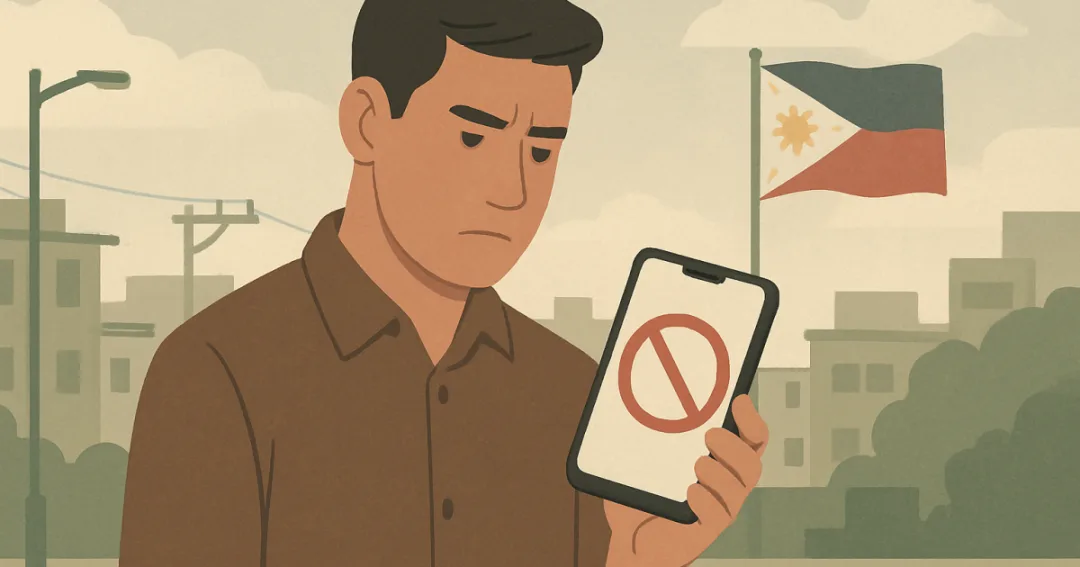
TMP FOUNDATION LAUNCHES MOBI-CARE IN SANTA ROSA AND BATANGAS
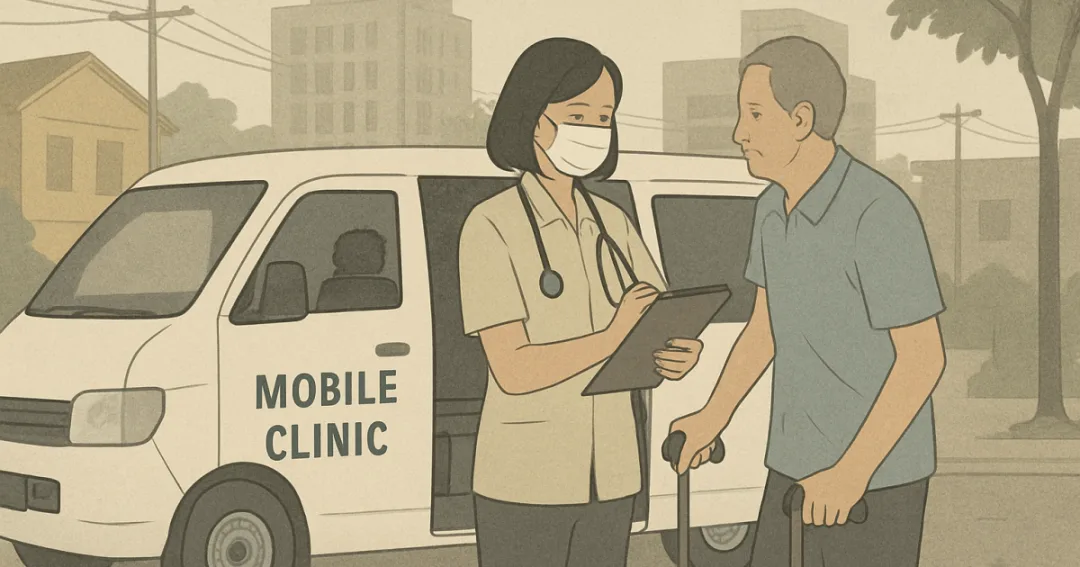
The launch of the Tmp Foundation’s Mobi-Care initiative in Santa Rosa and Batangas highlights a growing shift toward more flexible and community-based health support in the Philippines. While details of the program’s design will evolve over time, the basic idea of mobile care is clear: bring essential health-related services closer to where people live, work, and commute. This matters in a country where geography, traffic congestion, and uneven facility distribution often make access to care difficult. By situating services in or near key growth areas outside Metro Manila, the initiative implicitly recognizes that development corridors also need parallel investments in social support, not just in manufacturing zones, housing, or retail.
Historically, health access in the Philippines has been shaped by distance and infrastructure as much as by medical capacity. Residents of peri-urban and provincial areas often face a trade-off between lost income and the time required to travel to hospitals or clinics. Mobile or community-based programs, whether run by government, non-profit groups, or corporate foundations, have long tried to bridge this gap with varying degrees of success. The Tmp Foundation’s entry into this space suggests that private-sector-linked institutions increasingly see health-related initiatives as part of their broader social responsibility portfolio, especially in regions that host major industrial and commercial operations. This orientation aligns with a global trend in which corporations and their foundations look beyond one-off donations and toward recurring, service-based interventions.
The choice of Santa Rosa and Batangas as initial locations is also telling. Both areas are hubs of economic activity, home to manufacturing complexes, logistics networks, and growing residential communities that rely on a mix of public and private services. In such environments, pressure on local health systems can rise quickly, particularly when population growth outpaces the expansion of clinics, diagnostic centers, and preventive programs. A mobile care initiative can help relieve some of this pressure by offering targeted services that complement, rather than replace, existing facilities. If designed thoughtfully, it can also serve as a testing ground for models that other localities might adapt according to their own needs and resources.
For the public, the relevance of Mobi-Care lies less in its branding and more in the questions it raises about the future of health access. How can mobile initiatives coordinate effectively with local governments, public health units, and community organizations to avoid duplication and ensure continuity of care? What mechanisms will ensure that services remain inclusive, reaching not only employees of large companies but also informal workers, dependents, and vulnerable groups? These questions do not have simple answers, but they underscore the importance of viewing corporate-led programs as part of a wider ecosystem rather than as stand-alone showcases. The effectiveness of such efforts will depend on transparency, community feedback, and an honest assessment of what they can and cannot realistically provide.
In the longer term, initiatives like Mobi-Care invite a broader reflection on the shared responsibility for social services in rapidly developing regions. Neither government nor the private sector can meet all needs on its own, and communities are increasingly attentive to how partnerships are structured and sustained. If the Tmp Foundation’s program in Santa Rosa and Batangas demonstrates that mobile care can be reliable, collaborative, and responsive, it may encourage similar models to take root elsewhere. The challenge will be to move from pilot enthusiasm to durable integration, so that mobile care becomes not a temporary spectacle but a stable part of the health landscape. That is the standard by which this and similar initiatives will ultimately be judged.