US-PH MILITARY TIES QUESTIONED AFTER VENEZUELA INCIDENT
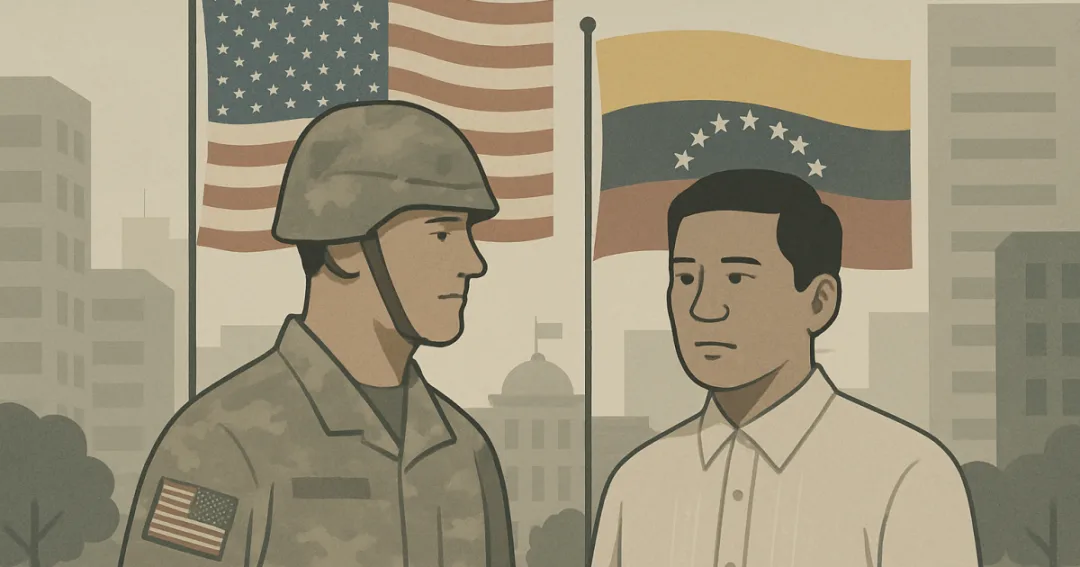
The recent controversy over Philippine troops’ presence on a United States military aircraft that landed in Venezuela has sharpened scrutiny of the security partnership between Manila and Washington. While the details and official explanations are still being clarified, the basic outline is enough to raise legitimate questions. Why were Filipino personnel involved in a mission that brought them, even briefly, into the airspace and territory of a country with which the Philippines has no direct dispute, but which is in tension with the United States? For many observers, the episode illustrates how a smaller ally can become entangled in the strategic frictions of a major power. It also underscores how foreign and defense policy decisions, often framed as technical or routine, can carry political and diplomatic weight far beyond the original intent.
This is not the first time that the depth of United States–Philippines military cooperation has stirred debate. The relationship is rooted in a long history of alliance arrangements, from a mutual defense treaty to various visiting forces and enhanced cooperation agreements. These frameworks have enabled joint exercises, training, and logistical support that many in the defense establishment consider essential to modernizing the Philippine armed forces. At the same time, they have periodically sparked domestic concern about sovereignty, transparency, and the risk of being drawn into conflicts that are not of the Philippines’ making. The Venezuela incident revives these themes, but in a new global environment where great-power competition and regional tensions are once again on the rise.
The incident matters not only for what happened, but for what it suggests about process. When military personnel participate in overseas operations, citizens reasonably expect that clear guidelines, oversight mechanisms, and political accountability are in place. If the public learns about sensitive deployments only after foreign governments protest or international headlines appear, confidence in those processes erodes. The issue is less about assigning blame and more about ensuring that decisions involving foreign militaries and distant theaters are subjected to rigorous scrutiny at home. Transparent communication from relevant institutions can help distinguish between legitimate cooperative activities and actions that may unintentionally expose the country to diplomatic fallout.
There are also broader implications for how the Philippines navigates its external partnerships. Security cooperation with a powerful ally can offer deterrence benefits and access to training and technology, but it can also narrow the space for an independent foreign policy if not carefully managed. Being perceived as automatically aligned with another state’s global posture may complicate relations with other countries, particularly those that have disputes with the ally but not with the Philippines itself. This is especially sensitive in an era when governments seek to diversify their diplomatic and economic ties. A more deliberate articulation of national interests, and how alliance activities support rather than overshadow them, could help maintain balance.
Ultimately, the Venezuela episode may serve as a useful prompt for reflection rather than a cause for rupture. It invites policymakers, security officials, and the public to revisit the terms, limits, and expectations surrounding defense cooperation. Clearer guidelines on where and how Filipino troops participate in missions beyond the immediate region, stronger consultation between civilian and military authorities, and more proactive public explanation of such engagements would all contribute to a healthier alliance. As the Philippines continues to engage with partners in a complex international landscape, aligning external commitments with a coherent, transparent sense of national interest will be essential. The strength of any security relationship is measured not just by shared capabilities, but by shared clarity about purpose and responsibility.