VISA IS MAKING DIGITAL PAYMENTS MORE SECURE AGAINST SCAMS
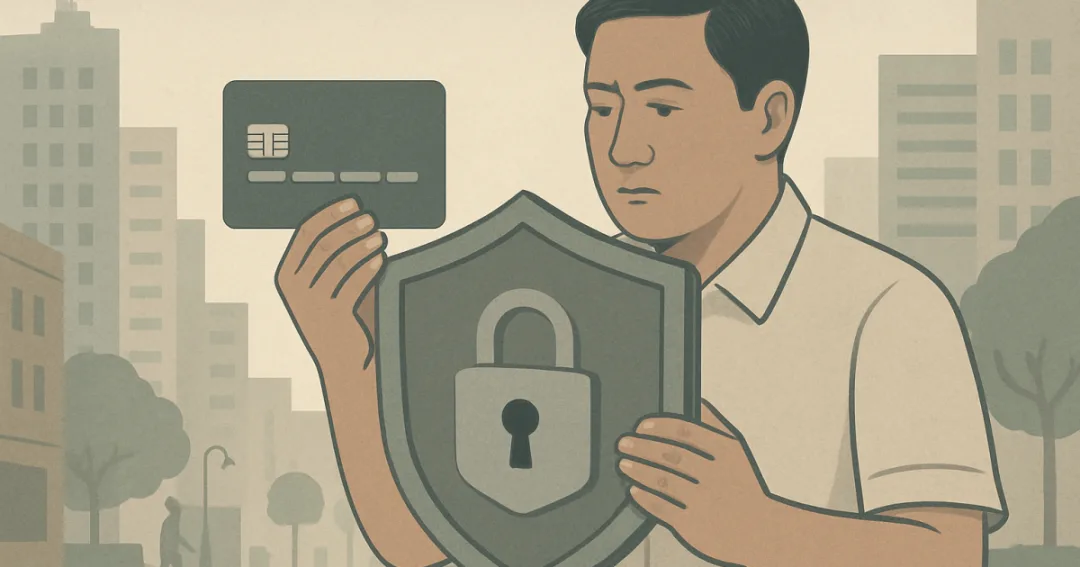
Visa’s latest initiatives to make digital payments more secure against scams reflect a broader shift in how the financial ecosystem responds to fraud. As more commerce moves online and onto mobile devices, the opportunities for scammers have expanded just as quickly as the tools designed to stop them. Consumers now routinely share card details through apps, subscription services, and cross-border platforms, often with little visibility into how that data is protected. Against this backdrop, moves by a major payment network to tighten defenses are not just technical upgrades; they shape public confidence in the entire digital economy. When cardholders perceive that the system is actively learning from fraud patterns and closing gaps, they are more likely to keep using digital channels instead of reverting to cash or informal workarounds.
The rise in digital scams is not a sudden phenomenon but the result of a long evolution. As card payments migrated from physical terminals to e-commerce sites and then to smartphones and wearables, each transition created new points of vulnerability. Fraudsters have adapted by shifting from crude card theft to more sophisticated social engineering, phishing, and account takeover schemes. Payment networks and banks, in turn, have invested in layered defenses such as tokenization, real-time monitoring, and multi-factor authentication, trying to stay a step ahead without making transactions unbearably inconvenient. Visa’s current push to strengthen scam detection fits into this continuum, emphasizing that security is not a finished product but an ongoing process of adjustment.
What makes the present moment distinct is the growing recognition that technology alone cannot solve the problem. Many of the most damaging scams now exploit human trust rather than system flaws, tricking people into authorizing payments themselves. This blurs the line between “fraud” and “authorized but coerced” transactions, complicating how liability is assigned and how protections are designed. When a payment network enhances its tools, it must therefore look beyond traditional fraud filters and consider behavioral patterns, transaction context, and clearer warnings at the point of payment. In that sense, efforts to make digital payments more secure are as much about guiding user decisions as they are about blocking obviously suspicious transactions.
The public relevance of these developments extends well beyond individual cardholders. Merchants depend on reliable, low-friction payment flows, and they bear costs when disputes, chargebacks, and reputational damage follow a wave of scams. Financial institutions must balance regulatory expectations, operational risk, and customer experience, knowing that overly rigid controls can push users to less secure alternatives. When a major player in the payment network invests in enhanced security tools, it can set de facto standards that ripple through banks, fintech firms, and online platforms. The result can be a more consistent baseline of protection, but it can also raise questions about transparency, data use, and how much control end-users retain over their own transactions.
Looking ahead, the effectiveness of Visa’s security measures will likely be judged not only by reduced scam losses, but by how they shape trust in digital finance overall. Stronger defenses will need to coexist with clear communication so that people understand what protections they have and where their own responsibilities begin. Collaboration among payment networks, banks, regulators, and consumer advocates will remain crucial to prevent scammers from simply shifting to the weakest link in the chain. If the current wave of initiatives leads to a more resilient, user-aware payment environment, it could help sustain the long-term shift away from cash without leaving the most vulnerable users behind. The real measure of progress will be whether digital payments can remain both convenient and