WAGES EMERGE AS FILIPINOS’ TOP CONCERN IN Q4 2025 — OCTA
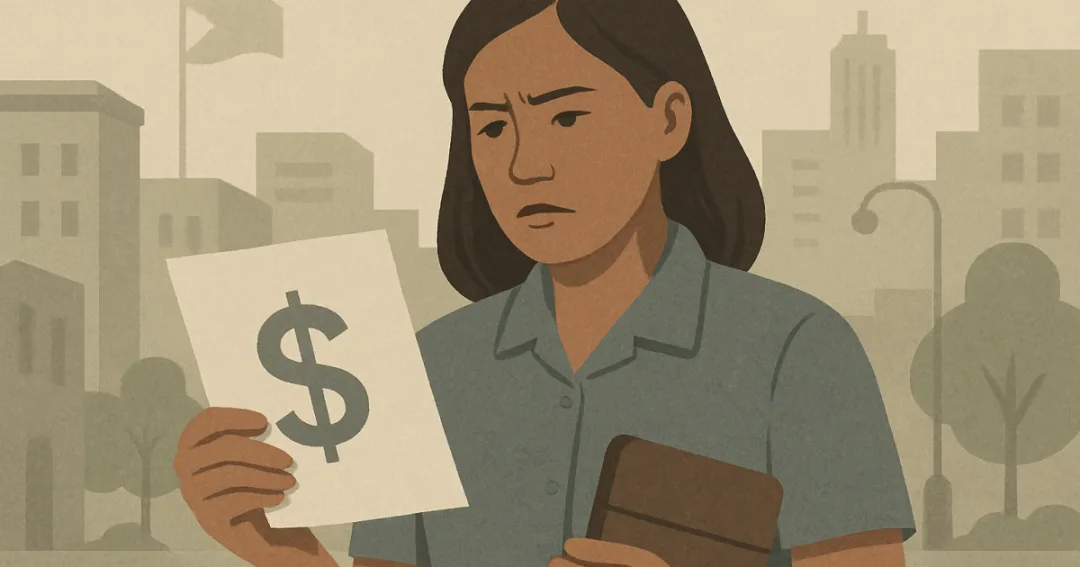
Wages emerging as the top concern of Filipinos in late 2025, as indicated by recent survey findings, should not be dismissed as a routine economic worry. It reflects a deeper unease about whether hard work is still enough to sustain a decent life. When people say wages are their primary concern, they are often speaking not only of pay slips, but of rent, food, transport, schooling, and the quiet fear of slipping backward. In that sense, the focus on wages is also a focus on dignity and security, on the ability to plan beyond the next payday. The issue matters because when compensation feels misaligned with effort and rising costs, confidence in institutions, markets, and even social norms begins to erode.
This concern has a long history in the Philippines, where debates over minimum wage adjustments and cost-of-living allowances have recurred for decades. Periodic increases are typically framed as a balance between protecting workers and preserving the viability of businesses, especially smaller enterprises. Yet the recurring nature of the debate suggests that wage-setting mechanisms have struggled to keep pace with economic realities, such as urbanization, regional inequalities, and shifts in employment from formal to informal sectors. For many workers, especially those in low-paid or precarious jobs, wage policies on paper do not always translate into improved conditions in practice. The persistence of underemployment and informal work underscores how wage levels are only one part of a wider labor market puzzle.
The renewed focus on wages in 2025 also sits against a backdrop of global and domestic pressures. Households continue to grapple with the lingering effects of past disruptions, including inflationary spikes and unstable commodity prices. Even when headline inflation moderates, the memory of rapid price increases lingers in household budgeting, and any modest rise in income can feel quickly absorbed by basic expenses. At the same time, technological change and evolving business models are reshaping the nature of work, sometimes creating new opportunities, but also exposing workers to more flexible, less predictable arrangements. In such an environment, the call for better wages is also a call for more stability and predictability in everyday life.
The public relevance of this concern is broad, cutting across sectors and income brackets, though in different ways. For lower-income households, wage issues are directly tied to food on the table and access to essential services. For middle-income families, they shape decisions about education, migration, and long-term investments such as housing. For businesses, wage pressures affect hiring, pricing, and competitiveness, and influence whether they invest in productivity improvements or simply adjust payrolls. Institutions that shape wage policy—whether in government, labor, or industry—are therefore being implicitly asked to demonstrate that they can respond in a way that is fair, transparent, and grounded in evidence rather than short-term political calculations.
Looking ahead, the prominence of wages as a public concern can be seen as both a warning and an opportunity. It warns of the social costs when economic growth is not widely felt in household incomes, and when people sense that effort is not adequately rewarded. Yet it also offers an opportunity to revisit how society values work, how productivity gains are shared, and how policies can better align with lived realities across regions and sectors. Addressing wage concerns will require more than periodic adjustments; it calls for a broader conversation about skills, social protection, and the quality of jobs being created. If that conversation is taken seriously, the current anxiety around wages could become a starting point for a