WHEN JOURNALISM IS TREATED AS TERRORISM*
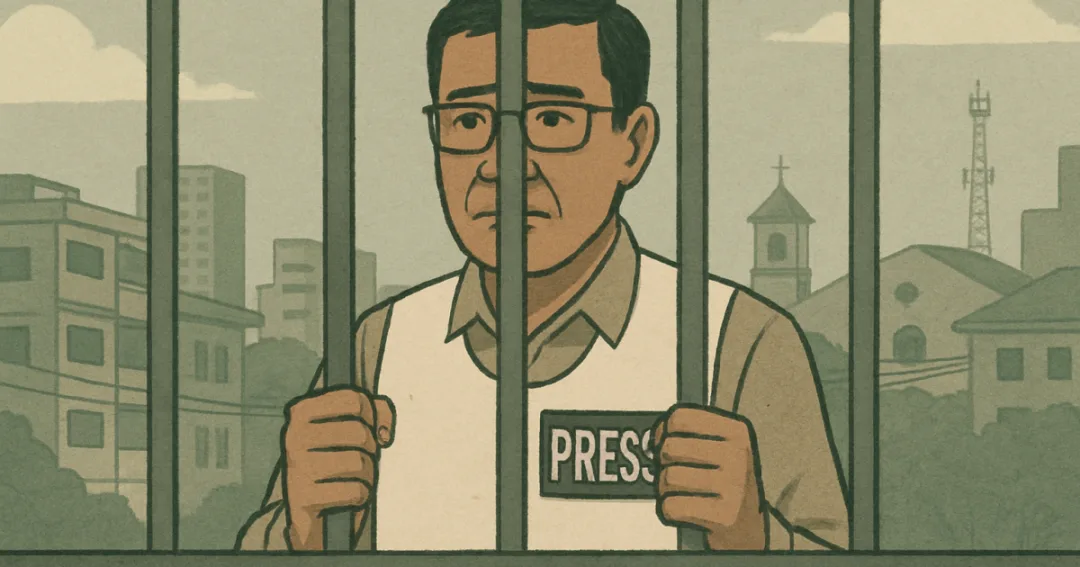
When journalists are treated as terrorists, a society crosses a dangerous threshold in its understanding of both security and dissent. The line between reporting on events and participating in them becomes deliberately blurred, often through expansive legal definitions of extremism or national security threats. In such environments, the act of gathering information, speaking to unpopular figures, or exposing official misconduct can be recast as collaboration with enemies of the state. This reclassification does more than intimidate individual reporters; it signals to the public that independent scrutiny itself is suspect. When the tools meant to counter violence are instead turned on those who document public affairs, the core function of journalism is quietly recast from a public service into a public threat.
The impulse to criminalize journalism is not new, though the language and legal instruments evolve over time. States have long used concepts such as sedition, subversion, or internal security to frame critical reporting as a destabilizing force. In more recent years, broad anti-terrorism frameworks have provided a convenient vocabulary for this purpose, especially where oversight of security institutions is weak. By collapsing criticism into extremism and inquiry into incitement, authorities can claim to be defending order while avoiding open debate about their own actions. The historical record shows that once such labels are normalized, they tend to expand, reaching beyond a few high-profile cases into the wider media environment.
The consequences extend far beyond the immediate targets of prosecution or harassment. When journalists risk being branded as terrorists for pursuing sensitive stories, many will understandably avoid topics that attract official hostility. This chilling effect does not always appear in dramatic arrests; it often manifests in stories that are never pitched, questions that are never asked, and sources who quietly withdraw. Over time, the public sphere becomes narrower and more sanitized, with fewer independent accounts of how power is exercised. Citizens are left to navigate complex realities with less information, relying more heavily on official narratives that are rarely challenged in meaningful ways.
Institutions that should act as safeguards can either mitigate or magnify this trend. Where courts, legislatures, professional associations, and media regulators insist on clear distinctions between reporting and criminal conduct, it becomes harder to misuse security laws against journalists. Transparent procedures, independent review, and open public debate about the scope of anti-security-related case measures can help maintain that boundary. Conversely, when these institutions defer uncritically to security claims, the threshold for labeling journalism as terrorism can drop sharply. The result is often a quiet normalization of extraordinary powers in ordinary civic life, with little public awareness of what has been lost.
Ultimately, how a society treats its journalists under pressure reveals what it believes about itself. If independent reporting is equated with sabotage, the message is that stability rests on silence rather than accountability. If, instead, security policies are designed with explicit protections for legitimate newsgathering and criticism, the message is that resilience depends on informed citizens. The tension between security and press freedom will not disappear, but it can be managed through clear laws, consistent practice, and a culture that recognizes the difference between scrutiny and subversion. When journalism is no longer treated as terrorism, it can resume its proper role: not as an enemy to be contained, but as a necessary witness in a complex and contested world.