A DAY IN JAKARTA WITH THE VIVO V70 FE
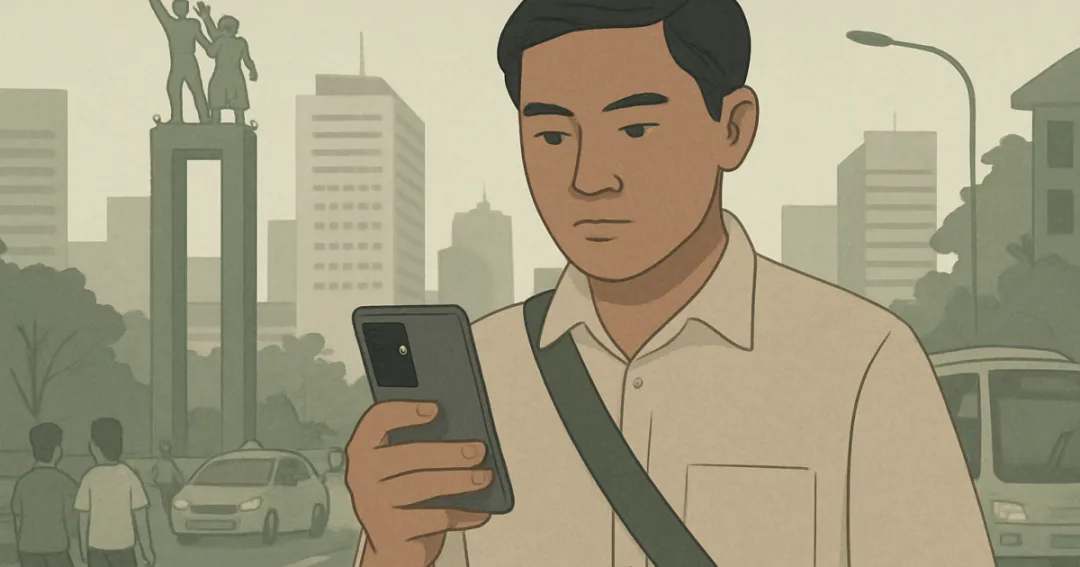
Jakarta is an exacting test for any smartphone, and spending a full day in the city with the Vivo V70 Fe underlines how thoroughly these devices have become our primary interface with urban life. From the first moment on a crowded commuter train to the last ride-hailing booking late at night, the phone is not merely a tool but a constant mediator of movement, information, and memory. The question is no longer whether a handset can call and text, but whether it can quietly manage navigation, payments, photography, and communication without demanding attention. The Vivo V70 Fe, like many of its contemporaries, is designed for this seamless integration, promising competent performance in a compact, fashion-oriented package. Observing it over a day in Jakarta reveals not only the phone’s capabilities, but also the expectations modern cities now place on the devices in our pockets.
Morning in Jakarta highlights the first pressure point: efficiency under constraint. Commuters rely heavily on maps, digital wallets, messaging apps, and social platforms while contending with unstable connections and battery anxiety. A device such as the V70 Fe must therefore balance processing power with power management, ensuring that routine multitasking does not lead to an early scramble for a power outlet. In practice, this means the user expects to browse traffic updates, stream short videos, and coordinate plans without noticeable lag or overheating. The fact that such expectations are now taken for granted indicates how far smartphone design has shifted from novelty to invisible infrastructure, quietly carrying the weight of everyday logistics.
As the day moves into the afternoon, Jakarta’s visual intensity becomes a different kind of benchmark. Street food stalls, heritage buildings, and high-rise silhouettes invite near-constant photography, and a phone like the V70 Fe is marketed precisely to capture this visual narrative. Camera systems on mid-range devices now aim to deliver clear, vibrant images in a variety of lighting conditions, from shaded alleys to bright roadside cafés. While professional photographers still turn to dedicated equipment, many residents and visitors rely entirely on their phones to document the city, share impressions, and build personal archives. The quality and reliability of mobile cameras thus shape how Jakarta is seen and remembered, both by those who live there and those who only encounter it through shared images.
Evening brings another dimension to the fore: connectivity as social lifeline. After work hours, smartphones mediate everything from group chats and video calls to food delivery and entertainment streaming. A phone like the V70 Fe must manage shifting between multiple apps, sustained data usage, and the visual demands of media consumption, all while maintaining enough battery to reach the end of the day. For many users, particularly younger ones, this is not a luxury but a baseline expectation; a device that falters in this period risks being perceived as inadequate regardless of its other strengths. In a dense metropolis where personal schedules are fluid and public spaces are crowded, the smartphone’s role in coordinating social life becomes as important as its role in professional productivity.
A full day in Jakarta with the Vivo V70 Fe therefore illustrates more than the strengths or weaknesses of a single model; it underscores how thoroughly urban routines now hinge on competent, dependable smartphones. The device is part camera, part wallet, part navigation system, and part social hub, and its success is measured by how unobtrusively it performs these roles. For consumers, this raises questions about what truly matters: headline specifications, brand identity, or the quiet assurance that the phone will