AFP STEPS UP MALAMPAYA PATROLS AFTER NEW GAS FIND
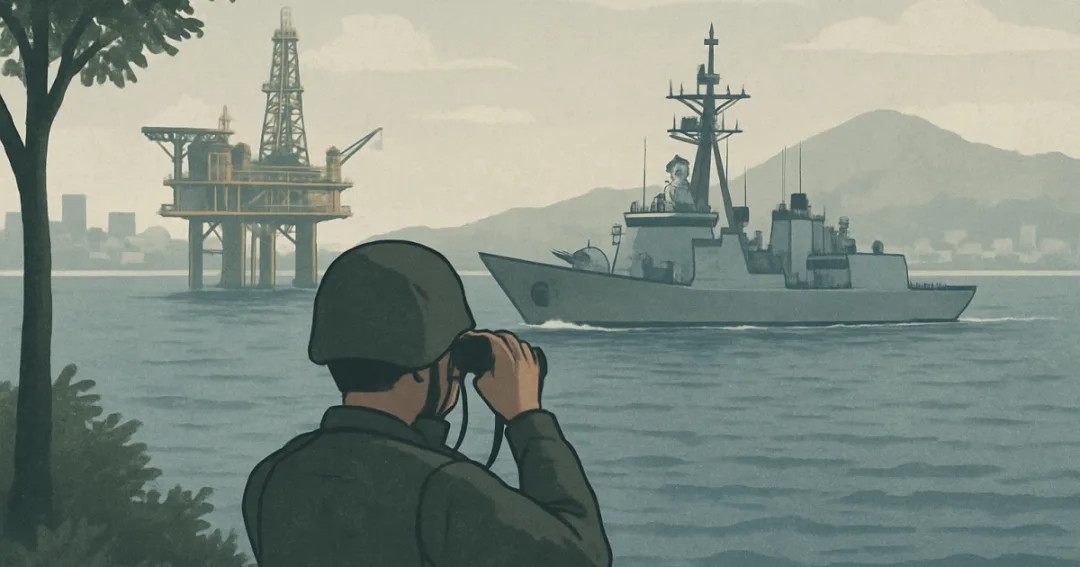
The decision by the armed forces to intensify patrols around the Malampaya gas field following reports of a new gas find underscores how energy security and maritime security are becoming increasingly intertwined. Malampaya is not just another offshore installation; it has long been a strategic energy asset that helps power homes, industries, and public services. Any development that could extend its productive life or reveal new reserves naturally attracts heightened attention from both economic planners and security officials. Increased patrols, in this light, are not merely a show of force but a signal that the state intends to safeguard critical infrastructure at a time of evolving regional dynamics.
This development sits within a broader regional context where offshore resources and maritime boundaries are persistent sources of tension. Many coastal states rely heavily on offshore energy to reduce dependence on imported fuel, and any promising discovery can shift calculations about future supply, investment, and diplomacy. At the same time, overlapping maritime claims and the presence of foreign vessels in contested or sensitive waters have made resource-rich areas particularly delicate. In such an environment, a more visible security posture around a key gas field can be interpreted both as a protective measure and as an assertion of sovereign rights within recognized maritime zones.
Domestically, the prospect of additional gas reserves near Malampaya carries significant implications for energy planning and public welfare. Policymakers have long grappled with how to manage declining output from mature fields, rising demand, and the need to transition toward more sustainable sources. A new find, if commercially viable, could buy time for a more orderly energy transition, potentially easing pressure on electricity prices and supply stability. However, it also risks fostering complacency if it delays necessary reforms in energy diversification, infrastructure development, and regulatory consistency that are essential for long-term resilience.
The stepped-up patrols raise important questions about how security, environment, and development are balanced in offshore operations. Protecting platforms and survey vessels is crucial, but so is ensuring adherence to environmental safeguards and transparent governance of any future extraction. Public confidence depends not only on seeing that assets are defended, but also on knowing that contracts, revenues, and environmental responsibilities are handled in a fair and accountable manner. Coordination among security forces, energy regulators, and environmental agencies will be vital to prevent fragmented decision-making that could undermine both security and sustainability goals.
Looking ahead, the Malampaya experience may serve as a template for how the country manages similar offshore assets in the future. As global energy markets shift and climate commitments deepen, decisions made now about security posture, investment priorities, and regional cooperation will shape the country’s strategic position for decades. A careful balance is needed: firm enough at sea to protect legitimate interests, yet open enough diplomatically to pursue dialogue, joint scientific work, and lawful economic activity. If approached with prudence and foresight, the heightened patrols around Malampaya can be more than a tactical response to a new gas find; they can mark the beginning of a more coherent, long-term strategy for maritime and energy governance.