BEYOND ODETTE, TINO AND UWAN: HOW MANGROVES PROTECT SIARGAO’S RESIDENTS

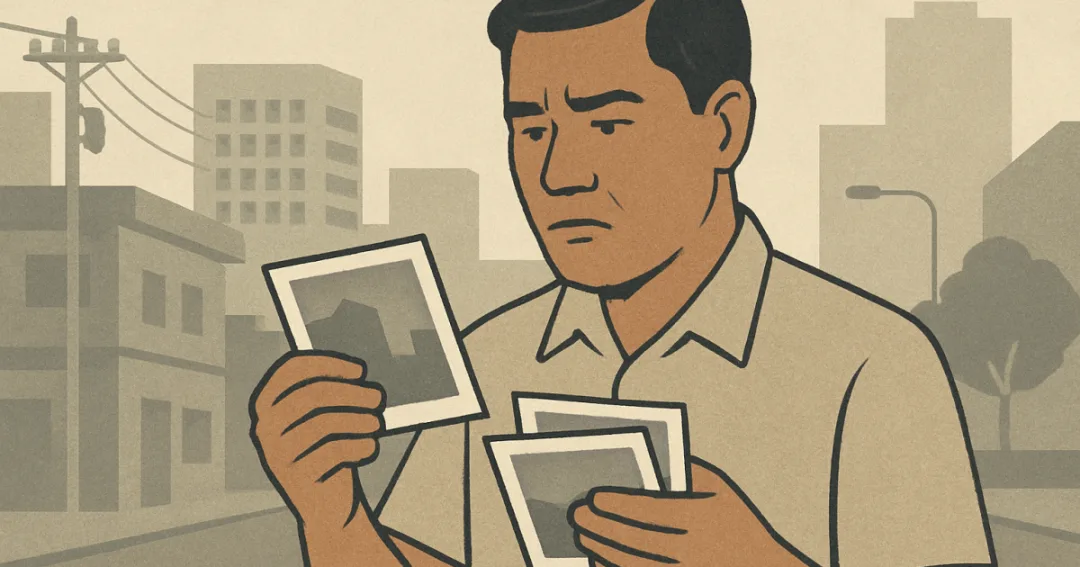
Siargao’s beauty has long been framed in images of white sand, surf breaks and coconut-lined roads, yet its true frontline defenders are less photogenic: the dense mangrove forests that fringe its coasts and river mouths. In recent years, as residents endured the battering of severe storms such as Odette, Tino and Uwan, many quietly observed an old truth made newly visible—communities buffered by healthy mangrove belts often fared better than those exposed by cleared shorelines. This is not a miracle of nature but a predictable outcome of ecology and physics: roots slow waves, canopies break the wind, and thick vegetation dissipates energy before it reaches homes and roads. As climate risks deepen and storms become more intense or erratic, the role of mangroves as living infrastructure in Siargao deserves far more attention than it typically receives in tourism brochures. What is at stake is not only scenery, but safety, livelihoods and the island’s capacity to adapt.
Mangroves thrive in the brackish, intertidal zones where land and sea negotiate space, and it is precisely this position that makes them effective storm buffers. Their tangled root systems trap sediment, helping stabilize shorelines that would otherwise erode under pounding waves. During storm surges, mangrove stands can slow water flow, reducing the force that reaches inland communities, while also catching debris that might otherwise turn into dangerous projectiles. For Siargao’s fishers, these forests are nurseries for fish, crustaceans and other marine life, underpinning local food security and income. When storms disrupt offshore fishing, the productivity of mangrove-associated species can become an important safety net for households that have few other options.
Yet the same spaces that mangroves occupy are also coveted for development, a tension that has played out not only in Siargao but across many coastal regions. As the island’s popularity has grown, pressures to clear or encroach on mangrove areas for resorts, roads or informal settlements have intensified. While some clearings may appear minor in isolation, their cumulative effect can be significant: every gap in the green barrier is a potential breach point in future storms. Moreover, once mangrove soils are disturbed or converted, they are difficult and slow to restore, and the lost protection can leave adjacent communities more vulnerable. When the next severe weather system approaches, the difference between a vegetated shoreline and a denuded one may be measured in flooded homes, damaged boats or lost livelihoods.
This is why discussions about Siargao’s post-storm recovery and future growth cannot be limited to rebuilding roofs or restoring tourist arrivals. Land-use planning, environmental regulation and community-based stewardship all intersect in the mangrove zone, where short-term economic gains can easily overshadow long-term resilience. Local residents, particularly those who depend directly on coastal resources, often understand the protective value of mangroves intuitively, but their voices may be diluted in fast-moving investment cycles. Institutions responsible for environment, tourism and infrastructure are frequently tasked with reconciling these competing interests, yet they often operate under resource constraints and fragmented mandates. The result can be piecemeal decisions that, over time, erode a natural shield that no seawall can fully replicate.
Looking ahead, the storms named in recent memory should not only be markers of destruction, but catalysts for a more deliberate relationship with the island’s natural defenses. Mangrove conservation and restoration can be framed not