
CHRISTMAS SONGS
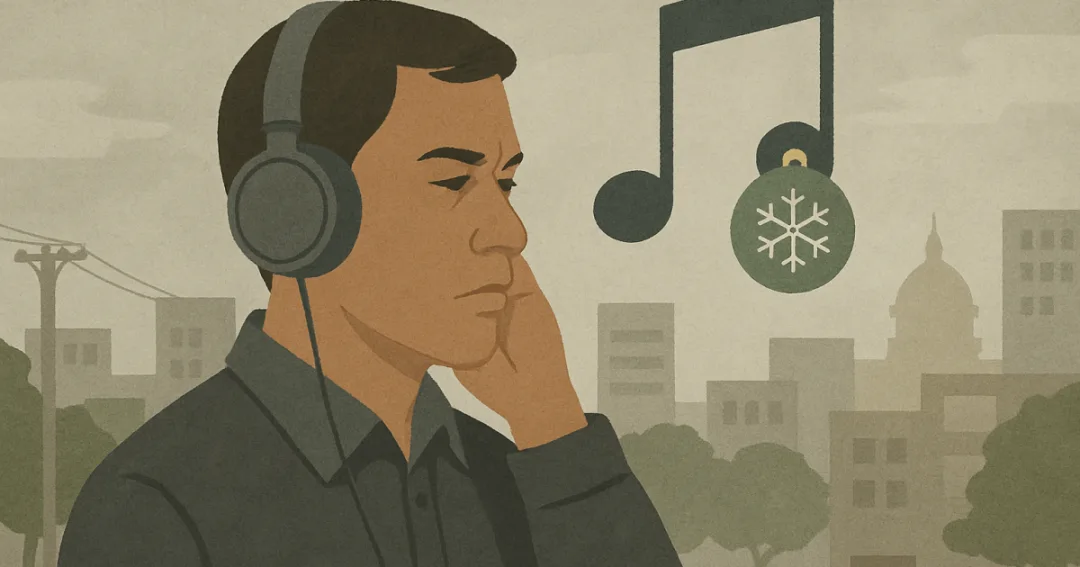
Christmas songs return each year with such reliability that they can feel less like a playlist and more like a season turning. For many, the opening notes of a familiar carol are the true signal that the holidays have begun, even more than decorations or sales. This predictability raises a subtle question: what is it about these songs that allows them to endure while much of popular culture changes so quickly? The answer matters because holiday music is not just background noise; it shapes how people remember family, faith, community, and even hardship. To examine Christmas songs is to look at how societies construct memory and ritual through sound.
Historically, Christmas music has always balanced the sacred and the secular, the solemn and the festive. Early carols were often tied to religious observance, yet over time they were joined by songs about winter landscapes, family gatherings, and gift-giving. This expansion allowed more people, including those who do not observe Christmas as a religious holiday, to find an entry point into the season’s atmosphere. The result is a layered repertoire in which hymns coexist with light-hearted tunes, each appealing to different moods and audiences. The coexistence of these strands shows how cultural traditions evolve without entirely abandoning their roots.
In contemporary life, Christmas songs have also become part of a powerful commercial cycle. Retail spaces, media platforms, and public events often rely on holiday music to create a sense of warmth that encourages spending and participation. While some listeners find comfort in this familiar soundtrack, others experience fatigue from hearing the same selections repeatedly and too early in the year. This tension highlights a broader concern about how genuine sentiment can be shaped, or even diluted, by commercial repetition. Yet even within that system, many individuals still form private, meaningful associations with particular songs that transcend marketing.
The digital era has further complicated the landscape by amplifying both nostalgia and novelty. Streaming services make it easy to revisit classic recordings while also introducing new compositions that attempt to join the canon. Social media trends can briefly elevate a forgotten track or turn a recent release into a seasonal staple for a younger audience. At the same time, global access to music has exposed listeners to Christmas songs from different cultures and languages, subtly expanding what counts as “traditional.” This diversification suggests that the emotional core of the season—longing, hope, reflection—can be expressed in many musical forms without losing its recognizability.
As another December approaches, the persistence of Christmas songs invites a more deliberate way of listening. Rather than treating them as mere background, there is value in noticing which songs endure, which fade, and which new voices are allowed into the rotation. These choices, made by families, broadcasters, and platforms, quietly shape the emotional architecture of the holidays for future generations. Christmas music will likely continue to straddle the line between ritual and commerce, repetition and reinvention. How societies manage that balance will determine whether these songs remain a source of genuine connection or simply another seasonal habit, playing on loop without being fully heard.



![[Walang Pasok] Class Suspensions, Thursday, February 5, 2026](https://tarana360.com/articles/images/2026-02/walang-pasok-class-suspensions-thursday-february-5-2026-1080.webp)