?COST OF INACTION’: DA ESTIMATES P75B IN AGRI LOSSES
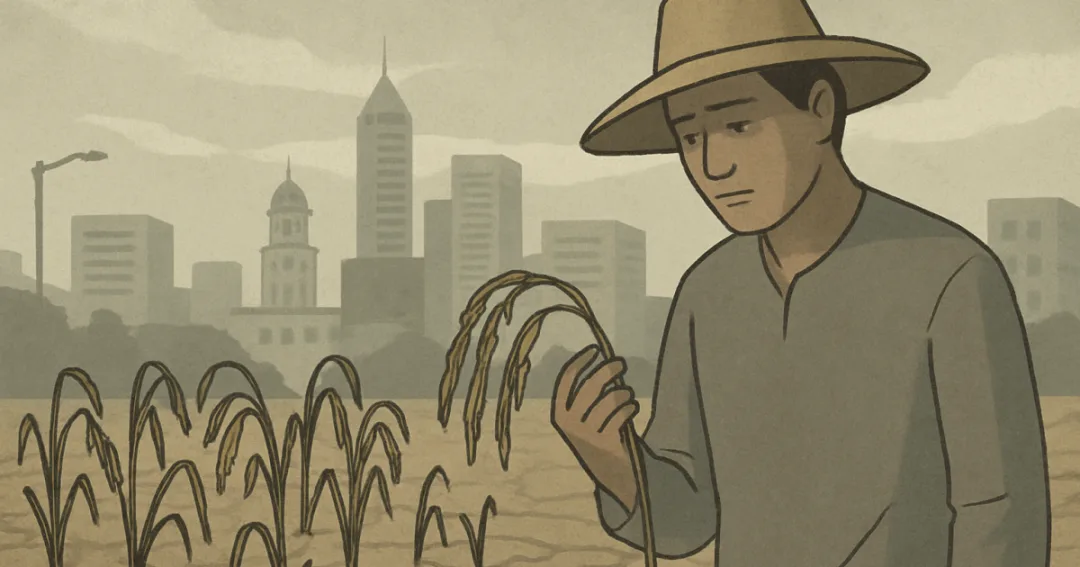
The reported estimate of tens of billions of pesos in agricultural losses is more than a sobering statistic; it is a snapshot of how vulnerable the country’s food system remains. When farm damage reaches this scale, it is not only farmers who suffer. Consumers feel it in higher prices, disrupted supply, and reduced food choices, while rural communities face an erosion of livelihoods that can take years to rebuild. The numbers being cited may still be refined, but they already underscore a familiar pattern: each major weather disturbance or prolonged climate event is followed by a predictable cycle of damage assessment, emergency assistance, and gradual, uneven recovery. The true cost of inaction lies in allowing this cycle to continue unbroken.
Agricultural losses on this scale do not emerge from a vacuum. They are the product of a long-standing exposure to climate risks, combined with structural weaknesses such as limited irrigation coverage, inadequate post-harvest facilities, and fragmented support services. In many rural areas, farmers rely on rain-fed systems and traditional practices that are increasingly mismatched with a changing climate. While there have been efforts to promote climate-resilient seeds, diversify crops, and improve access to credit and insurance, these measures often reach only a fraction of those who need them. The result is that each severe weather event becomes both a natural and a policy test—one that the system repeatedly struggles to pass.
The implications of such losses extend well beyond the farm gate. Large-scale damage to crops and livestock can tighten food supply, aggravate inflationary pressures, and strain public finances as emergency funds are mobilized. When small farmers and fisherfolk lose income, they may reduce production in subsequent seasons, migrate to urban areas, or exit agriculture altogether, deepening rural poverty and weakening the country’s food base. The broader economy, which depends on stable food prices and rural demand, is indirectly affected. Over time, frequent and severe agricultural shocks can undermine confidence in long-term investment in the sector, from both public and private actors.
This is why the phrase “cost of inaction” is particularly apt. The recurring nature of these losses suggests that short-term relief, while necessary, is not sufficient. More resilient infrastructure, such as climate-adaptive irrigation, flood control, and storage facilities, must be treated as essential components of food security rather than optional add-ons. Risk-reducing tools, including wider access to agricultural insurance, better weather information, and advisory services, can help farmers make informed decisions and avoid total crop failure. Strengthening value chains—so that farmers have more stable markets and can invest in better practices—also reduces the vulnerability of the entire system.
Looking ahead, the question is not whether the country can prevent every typhoon or drought from damaging agriculture, but whether it can reduce the scale and frequency of devastation. That requires continuity of policies across political cycles, sustained investment in rural areas, and a more deliberate integration of climate considerations into agricultural planning. It also calls for a shift in public conversation: from reacting to each new damage estimate to evaluating what has changed since the last one. If each season of loss is treated as an isolated episode, the same vulnerabilities will be exposed again and again. Recognizing the true cost of inaction is the first step toward building an agricultural sector that can endure, adapt, and ultimately thrive in a harsher climate reality.